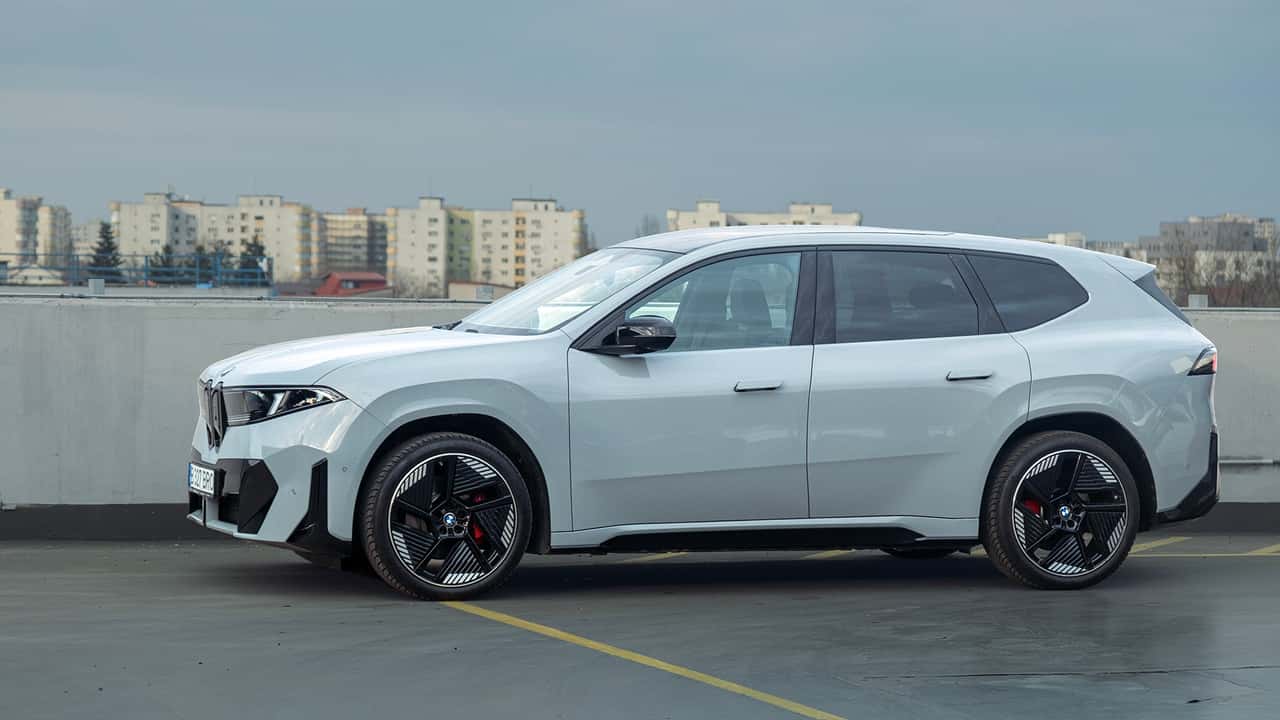
BMW's iX3 electric SUV has hit 50,000 units produced in nine months, a pace that signals robust demand in the premium EV segment. Orders for the model have climbed to nearly 100,000 units, more than double actual production output. The achievement underscores the success of BMW's electrification strategy as it rolls out its Neue Klasse platform.
The iX3 represents BMW's first Neue Klasse EV, a modular architecture designed to reduce complexity and manufacturing costs compared to earlier electric models. This efficiency gain translates to faster production ramps and improved margins. The model slots between the X3 SAV and larger X5, targeting buyers who want premium features with electric range.
The production velocity matters. Reaching 50,000 units in under a year positions the iX3 as one of the fastest-ramping premium EVs on the market. Tesla's Model Y achieved higher absolute volumes but started from different manufacturing baselines. BMW's ability to hit this milestone using existing facilities shows the Neue Klasse platform delivers manufacturing flexibility.
Demand nearly doubling supply tells a clear story. BMW faces a familiar EV market dynamic: premium buyers want electric options, but automakers struggle to build enough vehicles fast enough. The 100,000 order book gives BMW production targets for roughly a year at current rates, though the company will likely accelerate output as supply chain constraints ease and factory efficiency improves.
The iX3 success carries weight for BMW's broader EV ambitions. The Neue Klasse platform underpins multiple upcoming models, including the i3 sedan. If BMW can scale production effectively and maintain quality, the platform becomes a competitive weapon against Mercedes' EQE and Audi's e-tron GT. Range, charging speed, and interior technology matter most to premium EV buyers,