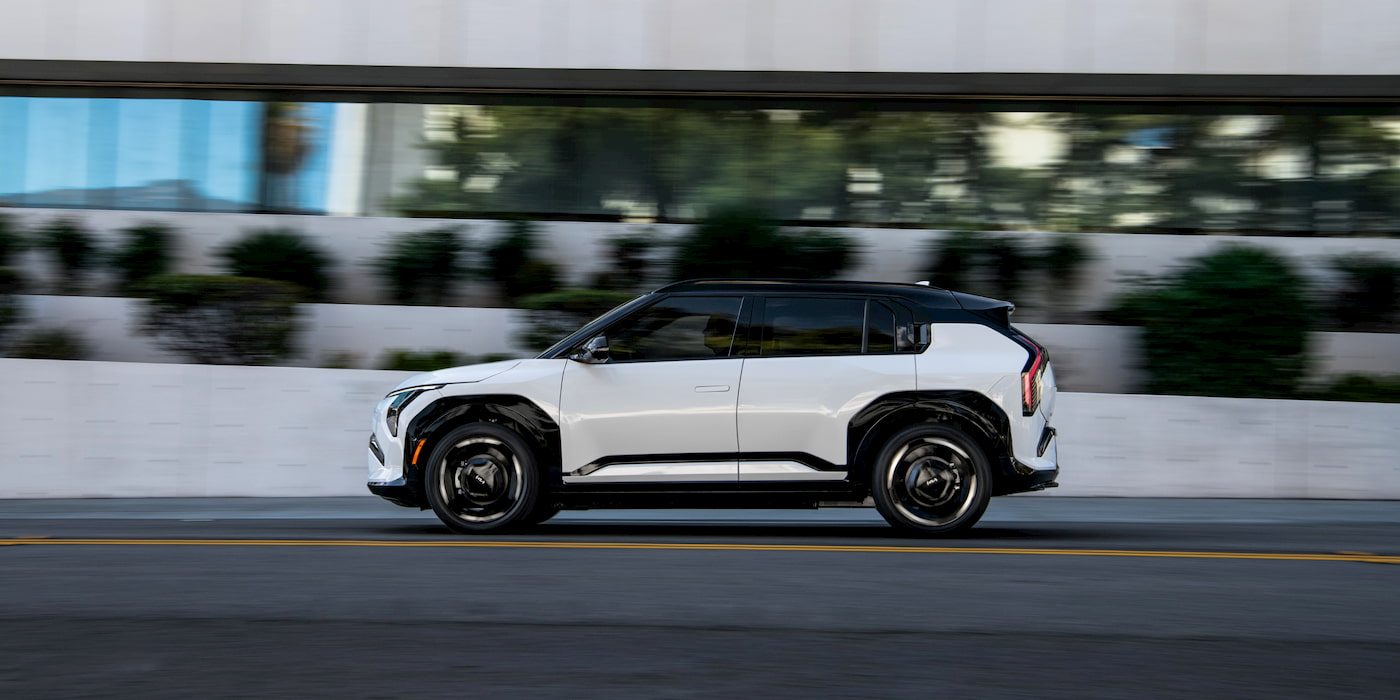
Kia vehicles will receive Hyundai's advanced infotainment system beginning in 2027, marking a major technology refresh across the brand's lineup. The upgrade brings Hyundai's latest connectivity and software capabilities to Kia models, leveraging the shared engineering resources within the Hyundai Motor Group.
This move reflects the industry-wide shift toward software-defined vehicles and connected services. Modern infotainment systems have become critical differentiators in the premium and mass-market segments. Hyundai's technology stack, developed for its own luxury Genesis brand and mainstream Hyundai vehicles, now extends to Kia, which occupies a sweet spot between value and feature richness in the global market.
The deployment starting in 2027 suggests Kia has prioritized integration timing carefully. New model launches and platform refreshes typically serve as entry points for major software overhauls, avoiding costly retrofits to existing production vehicles. This phased approach maximizes efficiency while ensuring the system reaches consumers through natural product cycles.
Hyundai Motor Group's strategy of sharing platform technology and software across brands mirrors practices at Volkswagen Group, Stellantis, and Toyota. The economies of scale justify massive R&D investments in infotainment, driver assistance systems, and over-the-air update infrastructure. For Kia specifically, this positions the brand more competitively against mass-market rivals like Honda, Toyota, and Nissan that offer their own proprietary systems.
The infotainment ecosystem includes navigation, smartphone integration, vehicle controls, and increasingly, advanced driver assistance features. Over-the-air capability allows Kia to push updates and new features without requiring dealership visits, improving customer retention and generating subscription revenue opportunities.
Kia competes globally in segments where technology appeal drives purchase decisions. Younger buyers, particularly in North America and Europe,