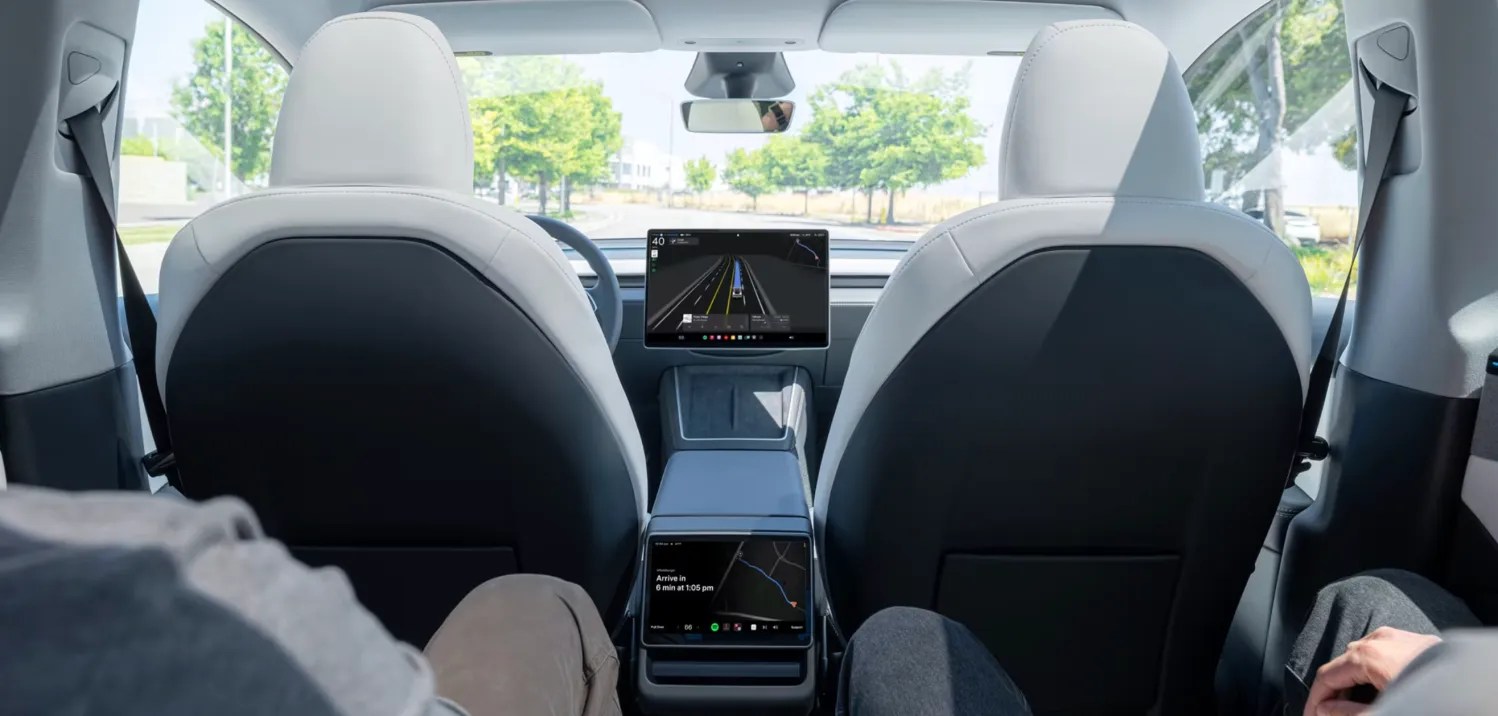
A former Tesla manager alleges the company's autonomous vehicle testing operation in Houston was dangerously understaffed, turning its fleet into hazards on public roads. Javier Medrano, who ran Tesla's "Full Self-Driving" test program before the robotaxi launch, filed a wrongful-termination lawsuit in Houston federal court that describes inadequate safety protocols and insufficient oversight.
Medrano's complaint highlights a persistent tension in autonomous vehicle development. Tesla pushes driverless capabilities into public streets while competing for market share against Waymo, Cruise, and others pursuing self-driving technology. The company relies heavily on real-world testing data to improve its neural networks, but that approach demands rigorous safety management and staffing levels that Medrano claims were absent.
The lawsuit raises operational questions about how Tesla manages its FSD beta program and robotaxi rollout. Testing autonomous vehicles on public roads requires trained safety drivers, fleet monitors, and incident response teams. If personnel shortages forced the company to reduce oversight or cut monitoring roles, vehicles operating without adequate human backup become unpredictable problems for other drivers and pedestrians.
Tesla's approach differs from competitors like Waymo, which operates its fully driverless ride-hailing service with geofenced routes, pre-mapped roads, and extensive human oversight during the transition phase. Waymo limits its robotaxi to specific areas and weather conditions. Tesla instead deploys FSD beta across diverse urban environments with varying conditions, relying on its neural networks to handle complexity on the fly.
Medrano's allegations suggest Tesla may have prioritized rapid deployment over safety margins during its Houston testing phase. The company has faced repeated scrutiny from regulators and safety advocates about FSD beta's behavior, including phantom emergency braking, unexpected lane changes, and failures to recognize cyclists and pedestrians.
The lawsuit will likely expose internal documents about safety staffing