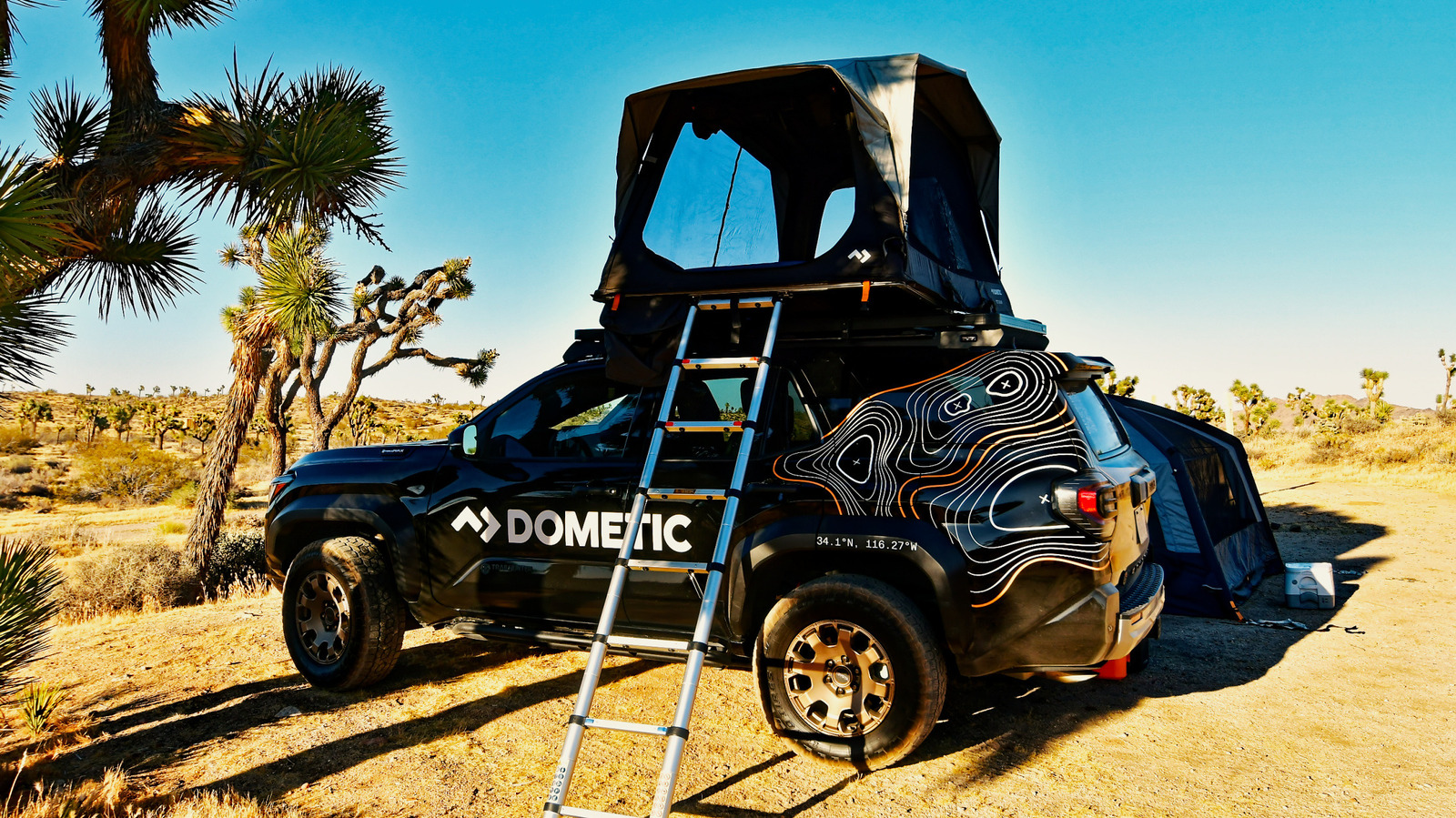
Rooftop tents deliver genuine appeal to overlanders and weekend campers, yet improper installation and maintenance create real safety hazards that drivers routinely overlook.
The core issue centers on vehicle preparation. Rooftop tents weigh 75 to 150 pounds depending on the model, and add another 400 to 600 pounds once occupants climb inside. This mass sits high on the vehicle's roofline, dramatically affecting center of gravity and handling dynamics. Most vehicles handle this load poorly without proper reinforcement. Roof racks must bolt securely to structural points, not trim or weatherstripping. Using inadequate fasteners or cutting corners with installation invites catastrophic failure during highway driving.
Weight distribution matters enormously. A rooftop tent shifts the vehicle's balance rearward and upward, reducing front-end grip during cornering and increasing rollover risk on uneven terrain. Vehicles with marginal suspension geometry become genuinely dangerous. The payload capacity stamped in your owner's manual isn't a suggestion. Exceed it and braking performance degrades, body roll increases during turns, and tire wear accelerates unpredictably.
Aerodynamic penalties also appear immediately. Wind noise amplifies dramatically. Highway fuel economy drops 10 to 20 percent. Crosswind sensitivity increases, making lane changes feel sketchy in gusty conditions.
Maintenance demands consistency. Tent seams deteriorate from UV exposure and weather cycles. Fasteners loosen from vibration. Flashing around the roof rack mounting points corrodes and fails, leaking water into the cabin. Regular inspections catch these problems before they spiral into water damage that costs thousands to repair.
Installation quality separates safe setups from dangerous gambles. Cut corners with mounting brackets or use undersized bolts and the tent literally tears away at highway speeds. This isn't theoretical risk.