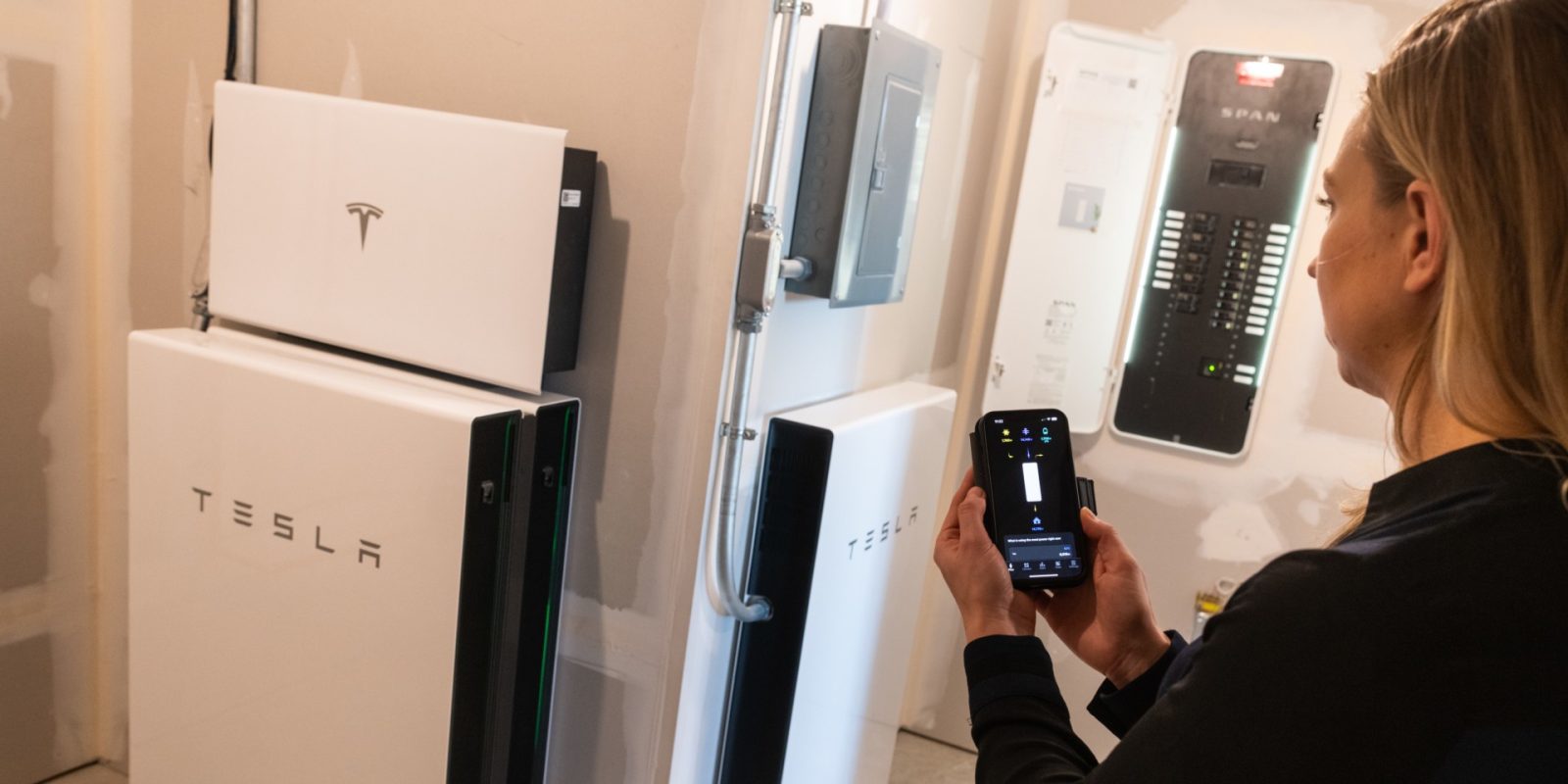
Green Mountain Power's virtual power plant network has become Vermont's single largest energy source, cutting $6 million from statewide peak electricity costs during early July heat waves. The VPP aggregates distributed energy resources like rooftop solar panels, home battery systems, and smart thermostats across thousands of residential customers. During peak demand periods, the utility remotely manages these assets to reduce strain on the grid without requiring traditional power plants to fire up.
This model represents a fundamental shift in how utilities manage electricity supply. Rather than building new generation capacity or relying on peak-demand plants that run infrequently and expensively, Green Mountain Power coordinates existing customer assets into a coordinated network. The economics work because homeowners with solar systems and batteries can store energy during low-demand hours, then discharge it when wholesale prices spike. Smart thermostats adjust heating and cooling loads automatically without sacrificing comfort.
Vermont's energy landscape differs from many states. The region relies heavily on hydroelectric power and nuclear generation from the Seabrook plant in New Hampshire. Adding a VPP layer means the utility can defer costly infrastructure upgrades and avoid purchasing expensive peak-hour power on wholesale markets. During the July heat wave, air conditioning demand typically forces utilities to buy emergency power at premium rates. Green Mountain Power's VPP instead pulled from customer batteries and reduced non-essential loads.
The $6 million savings during one week demonstrates VPP's scale and effectiveness. These benefits flow directly to all customers through lower peak-period rates, even those without rooftop solar. This creates strong incentives for more Vermonters to install distributed generation. Battery prices continue falling, making residential storage increasingly viable.
Competitors like Eversource and other Northeast utilities watch these results closely. Virtual power plants eliminate the need for expensive peaking plants and transmission upgrades. They also improve grid reliability by diversifying energy sources. As EV