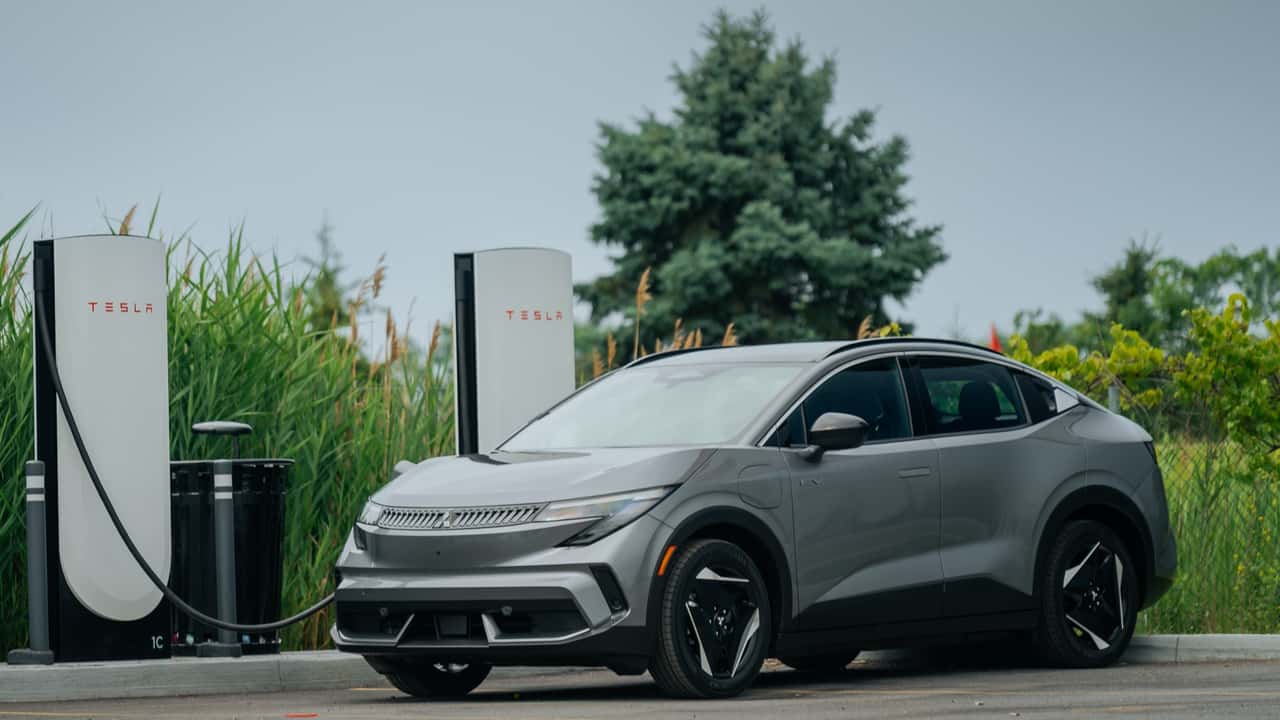
Mitsubishi will launch a budget-friendly Eclipse EV this fall, marking the automaker's push into affordable electric vehicles. The new model arrives with dual charging ports, giving owners flexibility between CCS and NACS standards. NACS compatibility is particularly significant, as it aligns Mitsubishi with Tesla's charging network, recently adopted by Ford, GM, and other major manufacturers as the industry standard shifts away from fragmented charging ecosystems.
The Eclipse nameplate carries weight in Mitsubishi's history. The original Eclipse, produced from 1989 to 2012, earned cult status among enthusiasts and tuners. This EV revival attempts to recapture that appeal while targeting cost-conscious buyers entering the EV market.
Pricing details remain sparse, but "cheap" suggests Mitsubishi intends to compete in the sub-$35,000 segment. That positions the Eclipse EV directly against established competitors like the Chevy Equinox EV, the forthcoming Volkswagen ID.2, and potentially a future Tesla Model 2. The budget EV market represents battleground territory for automakers trying to accelerate mass adoption.
The dual-port strategy reflects practical market realities. While NACS adoption accelerates, existing CCS infrastructure remains essential in many regions. Owners gain access to broader charging networks without dealer dependence.
Mitsubishi's EV ambitions have lagged competitors until recently. The Outlander PHEV demonstrated hybrid competence, but standalone EVs remained limited. The Eclipse EV signals a commitment to electric transformation, though Mitsubishi faces headwinds competing against established EV leaders with superior range, charging speed, and brand recognition.
The fall launch timeline gives Mitsubishi runway before year-end deliveries begin. Remaining unknowns include exact pricing, EPA-estimated range, battery capacity options