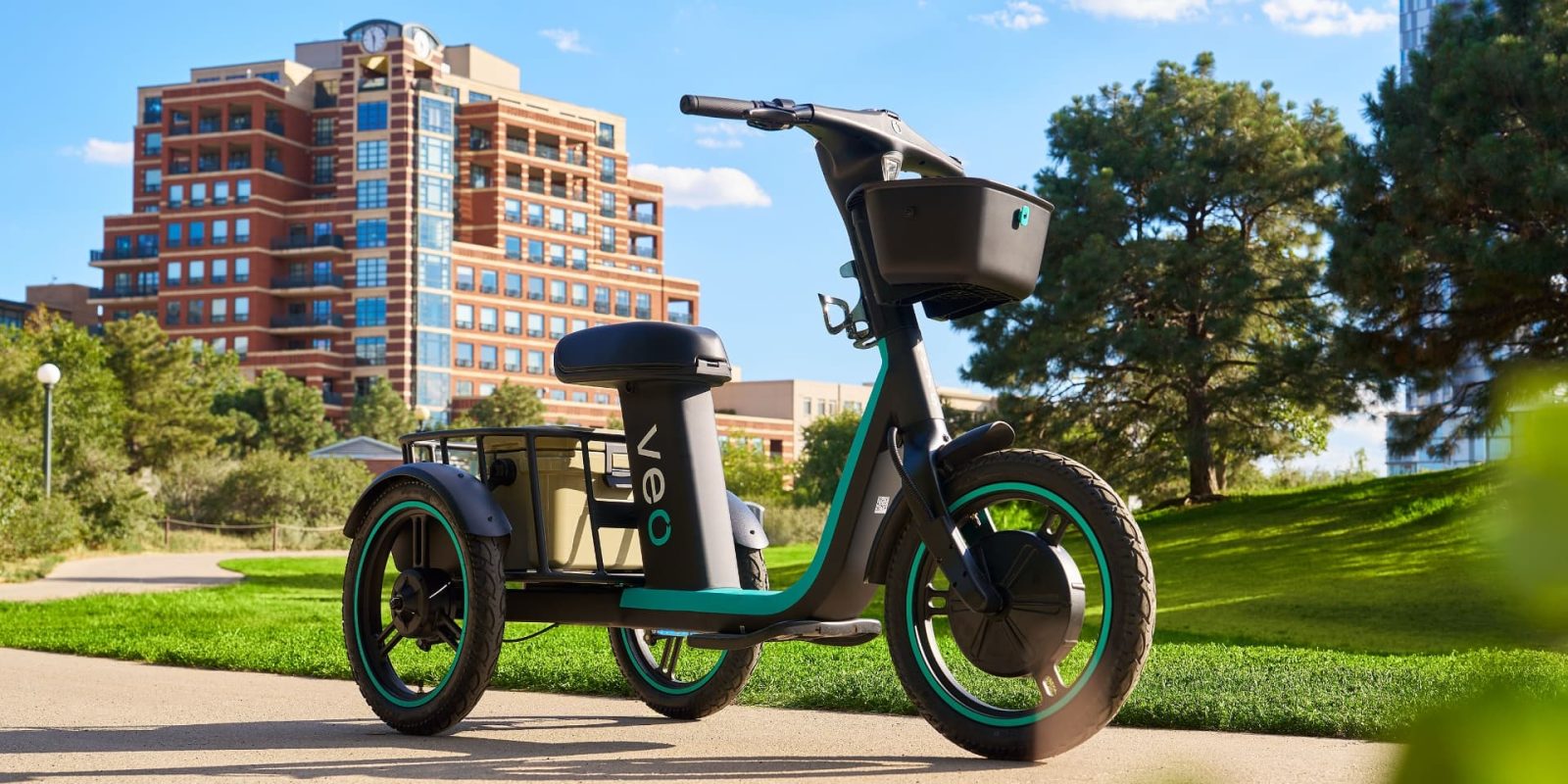
Veo, a micromobility operator, is launching shared electric tricycles into its fleet, betting that three-wheeled vehicles represent the next evolution in urban transportation beyond e-bikes and e-scooters.
The company's new e-trike, called the Rover, targets riders seeking stability and cargo capacity. Unlike traditional two-wheeled e-bikes, tricycles offer enhanced balance, wider seating, and practical storage space. This addresses real pain points for commuters who need to carry groceries, packages, or children. The extra wheel also appeals to older riders and those uncomfortable with bike handling.
Shared e-trike programs exist in select cities, but Veo's fleet expansion signals growing confidence in the category. The company operates rental networks across North America, managing hundreds of thousands of e-bikes and scooters. Adding tricycles diversifies its offerings and captures trip types that bikes alone cannot serve efficiently.
The competitive landscape matters here. Bird, Lime, and Spin dominate shared scooters. Veo and Motivate lead e-bike rentals. Tricycles remain largely underexploited in major markets, presenting a first-mover advantage. If adoption takes hold, Veo gains differentiation and brand loyalty from riders seeking alternatives to cars for short trips.
Cities benefit too. Tricycles potentially reduce car trips for cargo-heavy errands, easing congestion and emissions. They also generate additional revenue for municipalities through licensing fees and operating permits.
The economics require scrutiny. Tricycles cost more to manufacture and maintain than e-bikes. Repair expenses climb with three-wheel drivetrains and larger batteries. Fleet turnover and vandalism rates matter enormously for profitability. Veo must price rentals competitively while covering higher operational costs.
Consumer adoption remains uncertain. Urban riders prioritize speed and maneuver