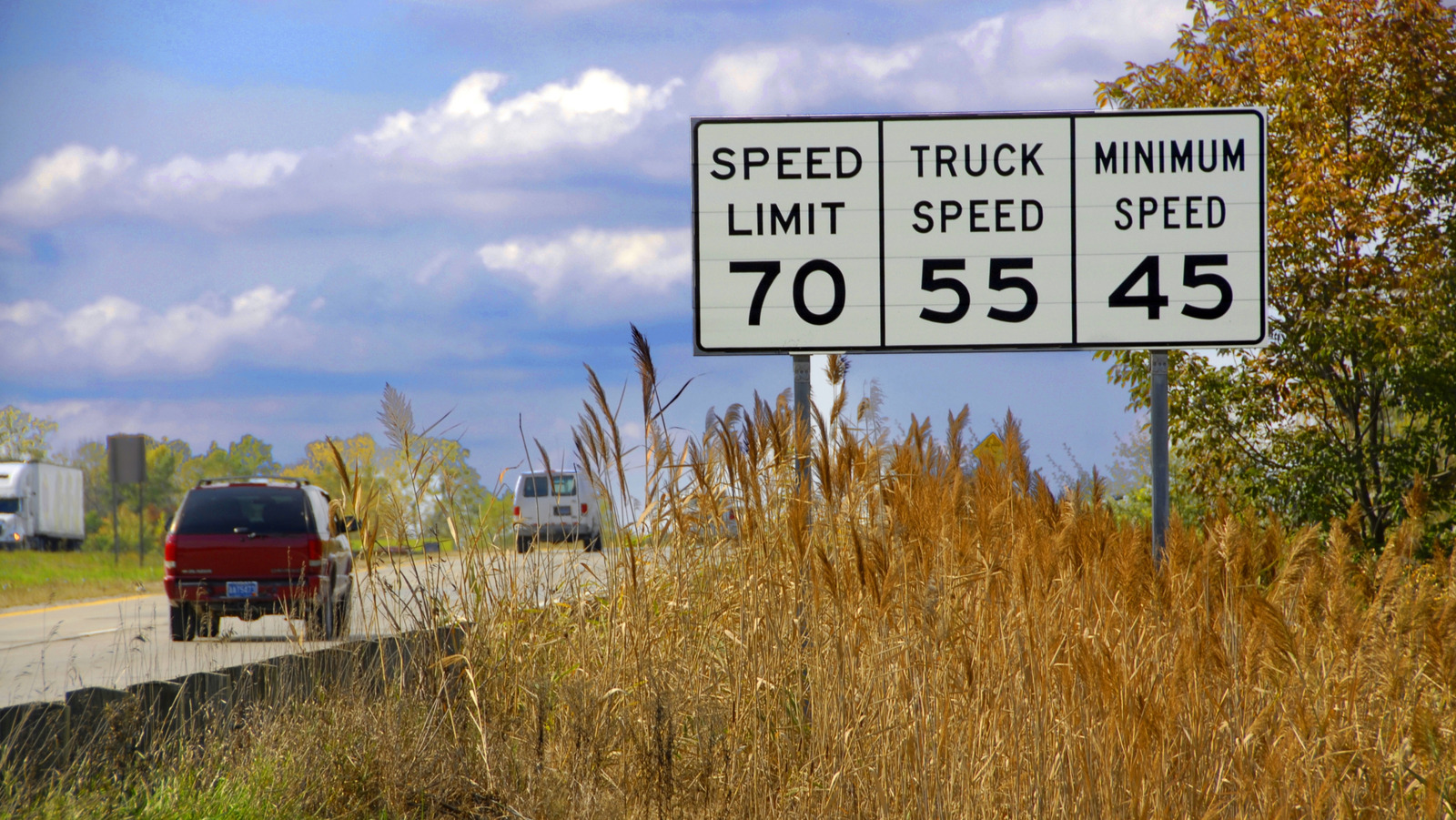
Minimum highway speed limits exist in most U.S. states, typically set between 40 and 50 mph on interstates. These rules prevent drivers from creating dangerous speed differential situations where slower vehicles impede traffic flow and increase accident risk.
Research shows that vehicles traveling significantly slower than surrounding traffic create bottlenecks and force aggressive maneuvers from other drivers. A study by the Insurance Institute for Highway Safety found that speed variance, not absolute speed, generates the highest crash rates. When a car doing 45 mph shares a lane with traffic moving at 70 mph, collision probability spikes. Minimum speed laws attempt to compress that variance and maintain predictable flow patterns.
Enforcement remains inconsistent across jurisdictions. Police prioritize speeding violations far more than minimum speed infractions, leaving some drivers free to impede traffic. However, states that actively enforce both speeding and minimum speed limits report smoother traffic patterns and fewer rear-end collisions. Texas and Florida, which maintain relatively strict enforcement protocols, show measurably better highway safety metrics in their corridor studies.
The rules protect specific populations. Elderly drivers, heavily loaded trucks, and disabled vehicles legitimately struggle to maintain highway speeds. Minimum speed laws include exceptions for these situations, allowing drivers with valid reasons to operate below posted minimums without penalty.
Highway design intersects with speed limit policy. Modern interstate design assumes traffic velocity around 65 to 75 mph. Exit ramps, merge zones, and sight distances optimize for that range. A vehicle crawling at 40 mph disrupts this calculus and forces other drivers into unsafe passing maneuvers.
Minimum speed limits won't eliminate highway crashes, but they address a specific, measurable problem. Traffic engineers view them as infrastructure management tools rather than punishment mechanisms. That distinction matters for policy discussions.