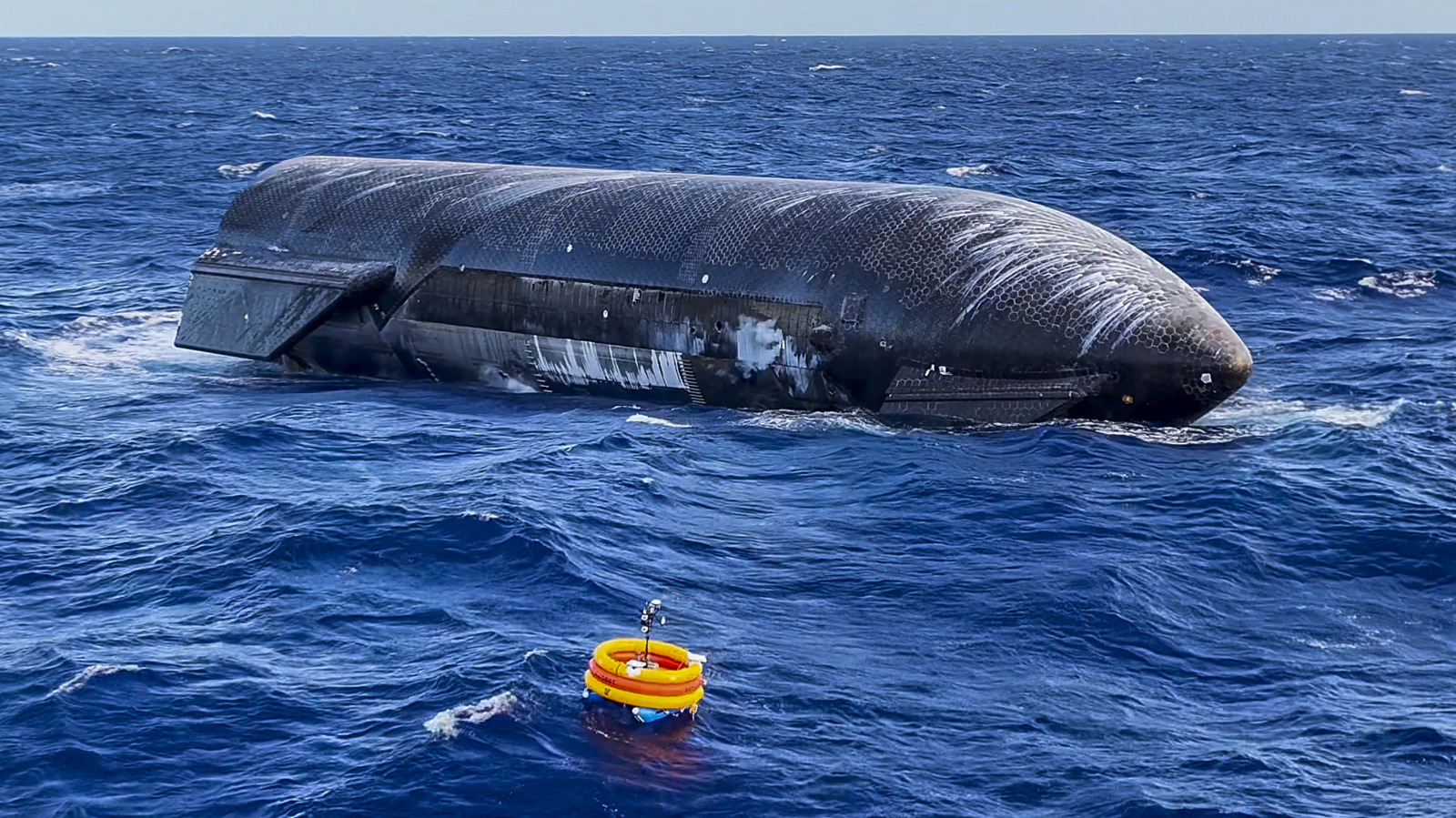
SpaceX's Starship V3 prototype reveals structural vulnerabilities that could complicate lunar landing missions. Recent inspections detected gaps in the vehicle's heat shield paneling, a critical safety system designed to protect the spacecraft during atmospheric reentry at extreme temperatures.
The panel gaps represent a manufacturing and assembly challenge for SpaceX's engineering team. Heat shields must maintain integrity across the entire surface to dissipate reentry temperatures exceeding 3,000 degrees Fahrenheit. Even minor discontinuities can create localized hot spots that compromise structural integrity and potentially disable onboard systems.
Starship's heat shield uses a tile-based approach similar to NASA's Space Shuttle, but with updated materials and attachment methods. The gaps suggest SpaceX needs to refine its assembly process to achieve the precision required for human spaceflight. This isn't unusual in early prototype development. Falcon 9 and Dragon capsule underwent numerous iterations before certification for crew missions.
The issue arrives as SpaceX targets integrated flight tests for Starship, the massive fully reusable rocket intended for lunar cargo and crew missions under NASA's Artemis program. While the company has demonstrated rapid iteration capabilities, heat shield perfection demands rigorous validation. NASA requires extensive testing documentation and flight-proven reliability before certifying Starship for astronauts.
SpaceX has not publicly detailed remediation plans or timelines for addressing the panel gaps. The company typically resolves prototype issues through design refinement and hardware changes tested on subsequent vehicles. Given Starship's development pace, fixes could appear on Version 4 or subsequent iterations.
The heat shield challenge reflects broader engineering realities in developing a crewed lunar spacecraft. Starship must integrate propellant systems, landing legs, avionics, life support, and thermal protection into a single 165-foot vehicle designed for reusability. Each subsystem demands perfection