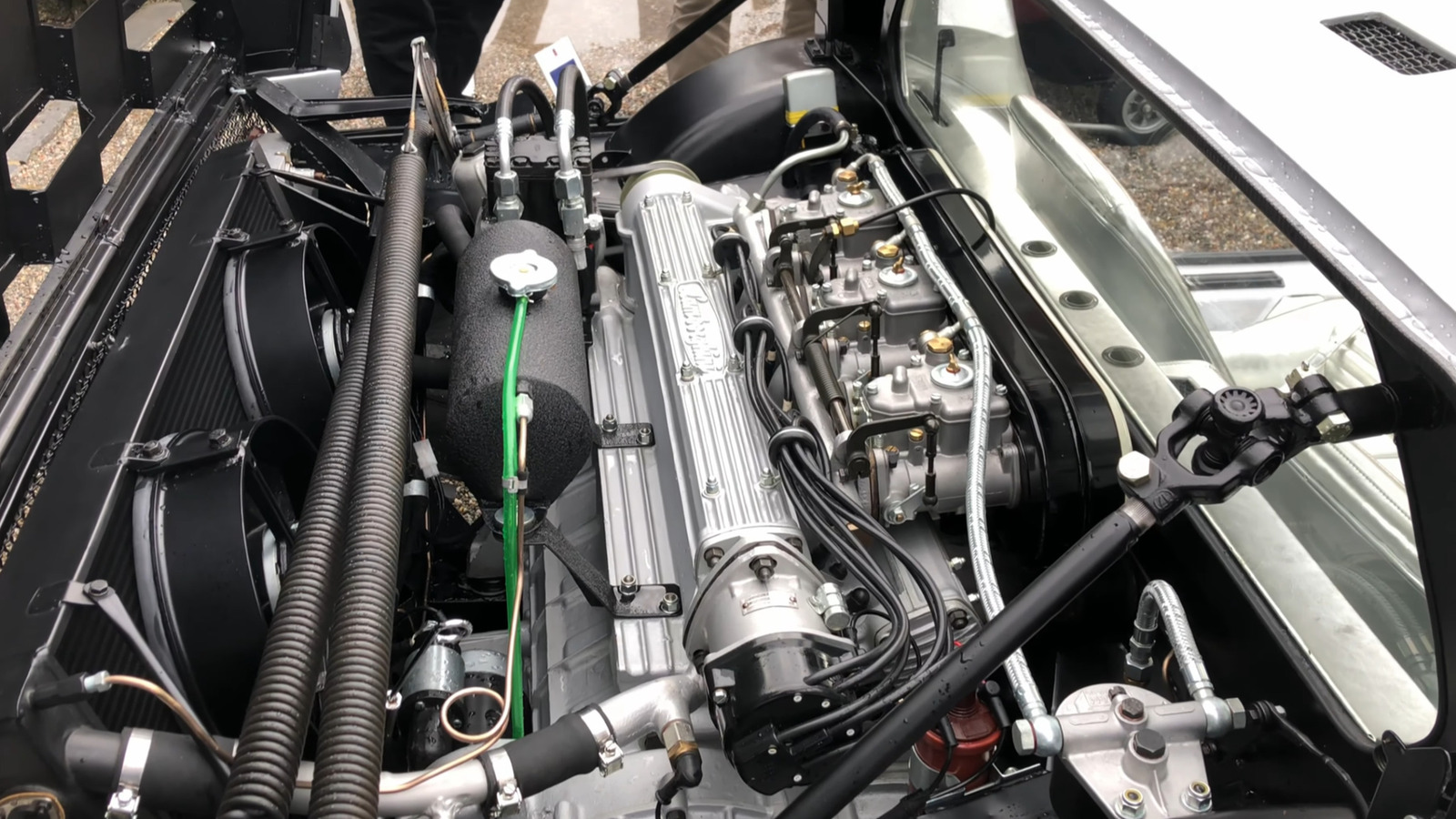
Inline-6 engines deliver a smoothness that straight-fours and V6s cannot match. The perfect primary and secondary balance eliminates vibration patterns that plague other configurations. Yet this engineering elegance comes with brutal packaging constraints that explain why transverse mounting remains exceptionally rare in production vehicles.
Longitudinal inline-6 layout dominates because it naturally aligns with a car's length. The engine sits front-to-back, demanding minimal structural redesign. Transverse mounting, where the engine sits side-to-side, creates dimensional nightmares. The six cylinders stretch the width of the engine bay. Accessories, turbochargers, and exhaust manifolds fight for non-existent space. Cooling systems become convoluted exercises in plumbing.
Volvo stands as the primary exception, having packaged transverse inline-6s in models like the S90 and XC90 with longitudinal orientations for their platform architecture. Few manufacturers attempt this. Most accept V6 layouts instead, sacrificing the inline-6's refinement for practical packaging. BMW, Mercedes, and other luxury brands stick with longitudinal mounting on their inline-6 models.
Front-wheel-drive sedans face even sharper tradeoffs. A transverse inline-6 consumes precious cabin space, crushes legroom, and complicates transmission integration. Automakers simply opt for turbo four-cylinders or V6 engines in smaller packages. The packaging penalties outweigh any smoothness gains.
Cost amplifies these concerns. Designing a unique engine bay, suspension geometry, and structural reinforcement for transverse inline-6 mounting requires engineering investment. Platforms shared across multiple models dilute development costs. When a V6 or turbo-4 delivers acceptable performance at half the complexity, accountants win.
The transverse inline-