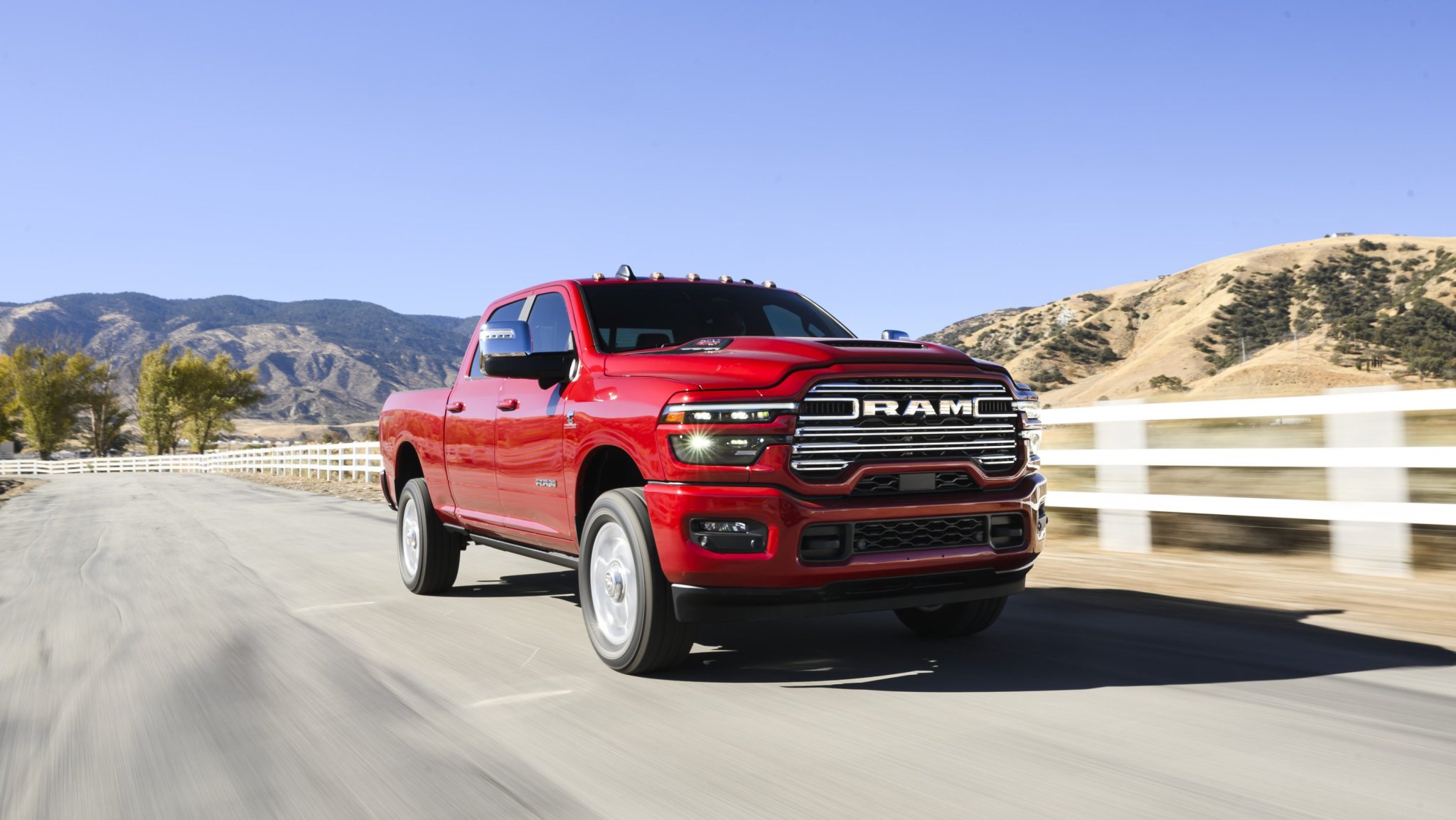
The Insurance Institute for Highway Safety released analysis ranking vehicles by their likelihood of killing occupants in other vehicles during crashes. Heavy-duty pickups dominate the deadliest list, a reflection of their mass, height, and design characteristics that disproportionately harm smaller vehicles.
The IIHS study examined crash data to identify which vehicles pose the greatest risk to other road users, not their own occupants. Larger trucks like the Ford F-250, Chevrolet Silverado 2500, and Ram 2500 appear prominently because their substantial weight and elevated bumper heights create asymmetrical collisions. When a 6,000-plus-pound truck strikes a sedan, the physics favor the truck occupants while exposing sedan passengers to severe injuries or fatalities.
This finding aligns with broader industry trends. Heavy-duty truck sales have surged over the past decade as buyers prioritize towing capacity and perceived safety. Yet that safety largely extends only to truck occupants. The height mismatch between truck bumpers and sedan roof lines means crashes bypass crumple zones designed to absorb impact energy. A truck's front bumper may strike a smaller vehicle's door or window rather than its structural frame.
The IIHS data underscores a growing safety paradox in American transportation. As vehicles grow heavier and taller, they become safer for their occupants but deadlier for everyone else. Regulations like those from NHTSA have focused on internal cabin safety, but they've lagged on requirements for vehicle compatibility in mixed-fleet crashes.
Truck owners argue their vehicles serve legitimate purposes and that driver behavior matters more than vehicle type. That holds partial truth. However, physics remains unforgiving. A distracted driver in a Silverado 2500 causes different damage than a distracted driver in a Camry.
Automakers face mounting pressure