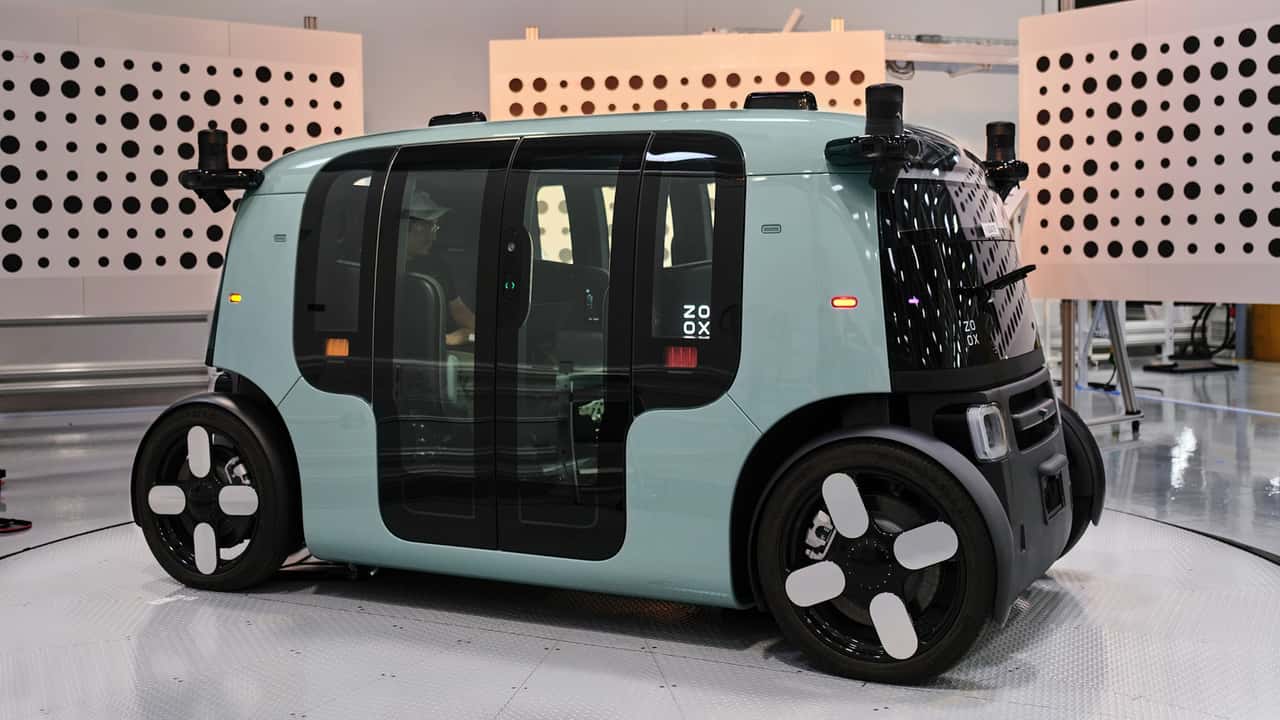
The National Highway Traffic Safety Administration has granted Amazon-owned Zoox the first-ever exemption to deploy steering wheel-free robotaxis for paid commercial service in the United States. NHTSA approved a temporary exemption allowing Zoox to operate up to 2,500 autonomous pods annually without traditional driver controls.
This landmark decision represents a watershed moment for the autonomous vehicle industry. Zoox's vehicle is purpose-built for driverless operation, featuring no steering wheel, pedals, or manual controls. The pod seats four passengers facing inward and operates on a pre-mapped route in San Francisco, where Zoox has been conducting unpaid robotaxi trials since 2022.
The exemption is temporary and subject to specific conditions. Zoox must maintain rigorous safety monitoring, adhere to defined operational parameters, and provide NHTSA regular performance data. The approval covers paid rides only within designated service areas. Safety restrictions include speed limits, weather conditions, and time-of-operation windows. NHTSA can revoke the exemption if safety issues emerge.
This decision clears a regulatory hurdle that competitors like Waymo and Cruise have struggled to navigate. Waymo operates driverless rides in Phoenix, San Francisco, and Los Angeles but uses modified Jaguar I-PACE and Chrysler Pacifica vehicles that retain steering wheels for safety purposes. Cruise, General Motors' autonomous unit, faced setbacks after a pedestrian injury incident in 2023 and lost its permit to operate robotaxis in California.
Zoox's approval signals regulatory confidence in mature autonomous systems. The company has logged millions of driverless miles and demonstrated operational competency. However, the 2,500-pod annual cap reflects NHTSA's cautious approach to this technology. Scaling beyond that threshold will require demonstrating sustained safety records and potentially gathering more real-