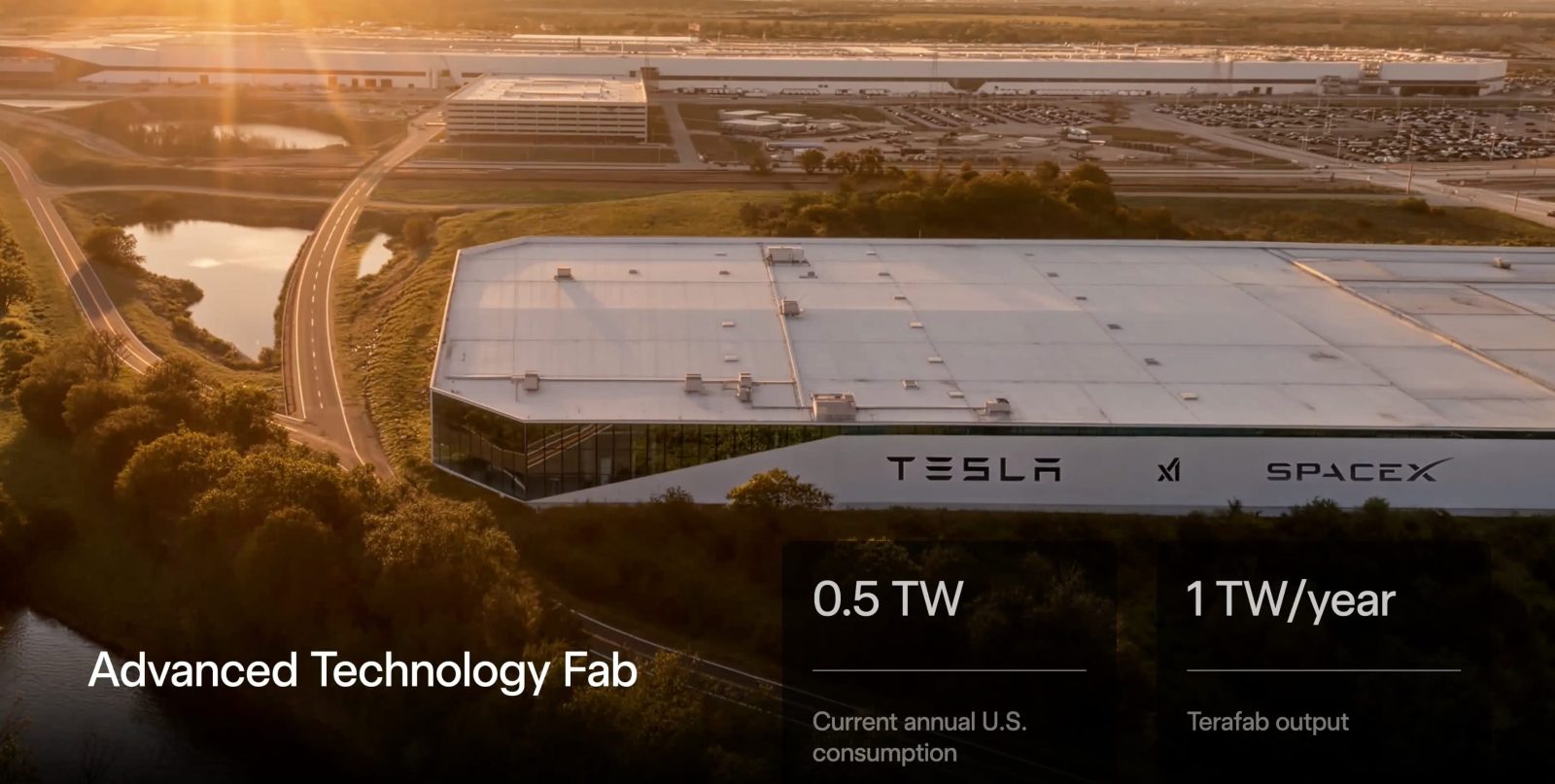
Tesla is considering divesting its China business to facilitate a potential merger with SpaceX, according to the Wall Street Journal. The move would represent a seismic shift in automotive industry structure.
Shanghai's factory produces more than half of Tesla's global vehicle output, making it the company's largest manufacturing operation by volume. Separating China would strip away Tesla's single biggest profit engine and production capacity. The factory currently produces Models 3, Y, and other variants for both domestic Chinese consumption and export across Asia and Europe.
This proposal reflects Elon Musk's broader consolidation ambitions across his business empire. Combining Tesla and SpaceX would create a vertically integrated giant spanning electric vehicles, energy storage, and aerospace technology. The financial logic centers on simplifying Tesla's corporate structure to facilitate the merger mechanics, though regulators in both the U.S. and China would face significant scrutiny over such a transaction.
The timing matters. Tesla faces mounting EV competition in China from BYD, Li Auto, and NIO. Simultaneously, SpaceX has emerged as Musk's most valuable company by recent valuations, making a merger complex from a shareholder perspective. Divesting China could unlock value for Tesla shareholders while streamlining the combined entity's governance.
However, execution presents enormous obstacles. Chinese regulators have historically blocked foreign asset sales of strategic importance. Tesla's Shanghai operation includes manufacturing, R&D, and supply chain infrastructure deeply embedded in China's industrial ecosystem. Finding a buyer with sufficient capital and regulatory approval would prove challenging.
For competitors, this signals Tesla's strategic pivot. Rather than doubling down on China's EV market, Tesla might retreat to higher-margin markets in North America and Europe while focusing capital on SpaceX synergies around battery technology and autonomous systems.
Workers, suppliers, and Tesla's Chinese customer base face uncertainty. The announcement remains exploratory, but di