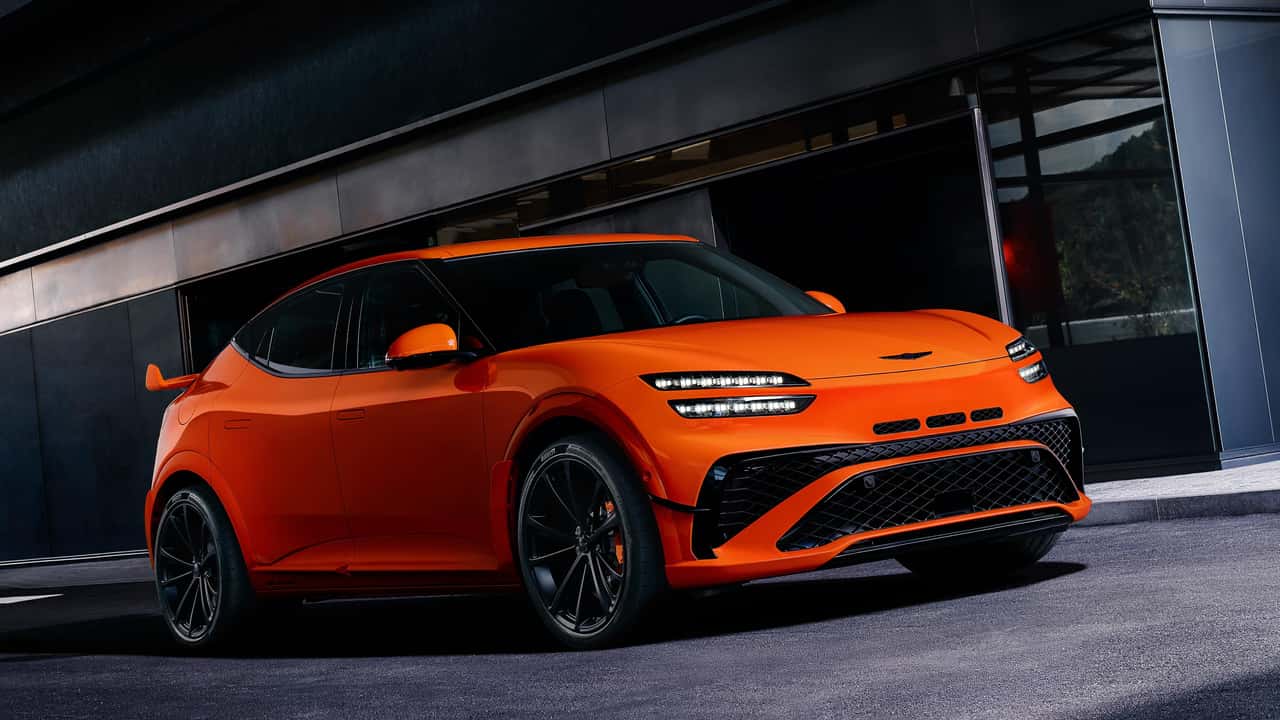
Hyundai's luxury brand Genesis has priced the GV60 Magma, its high-performance electric crossover variant, with full specifications now confirmed. The Magma delivers 641 horsepower through a dual-motor all-wheel-drive system, positioning it as a genuine performance EV competitor to models like the BMW iX M60 and Mercedes-AMG EQE SUV.
The standout feature remains Genesis's controversial eight-speed simulated transmission, which creates the sensation of gear shifts despite the electric drivetrain having no physical gears. The system pairs with synthetic engine sounds piped into the cabin, a deliberate nod to traditional performance vehicles that some enthusiasts embrace and others dismiss as unnecessary theater.
Genesis equipped the Magma with a dedicated drift mode, leveraging its torque vectoring capability to enable rear-wheel slip for controlled oversteer. This positions the electric crossover squarely in the performance segment, appealing to drivers wanting playful handling characteristics from a utility vehicle. The track-focused engineering includes performance-tuned suspension and enhanced cooling systems designed for sustained high-output driving.
The GV60 Magma represents Genesis's aggressive push upmarket into the performance EV space. The brand targets buyers willing to pay premium pricing for a blend of luxury appointments, electric efficiency, and performance theater. Pricing details matter heavily in this segment, where buyers compare against established German performance brands and Tesla's higher-end offerings.
The simulated transmission and synthetic sounds reveal an interesting industry trend: manufacturers recognize that electric powertrains, while mechanically superior, lack the sensory feedback traditional performance cars deliver. Genesis chose engagement and emotion over minimalism, betting drivers value the driving experience as much as acceleration numbers.
Whether the Magma's theatrical elements enhance or detract from the electric experience depends entirely on driver preference. Performance-focused EV buyers fall