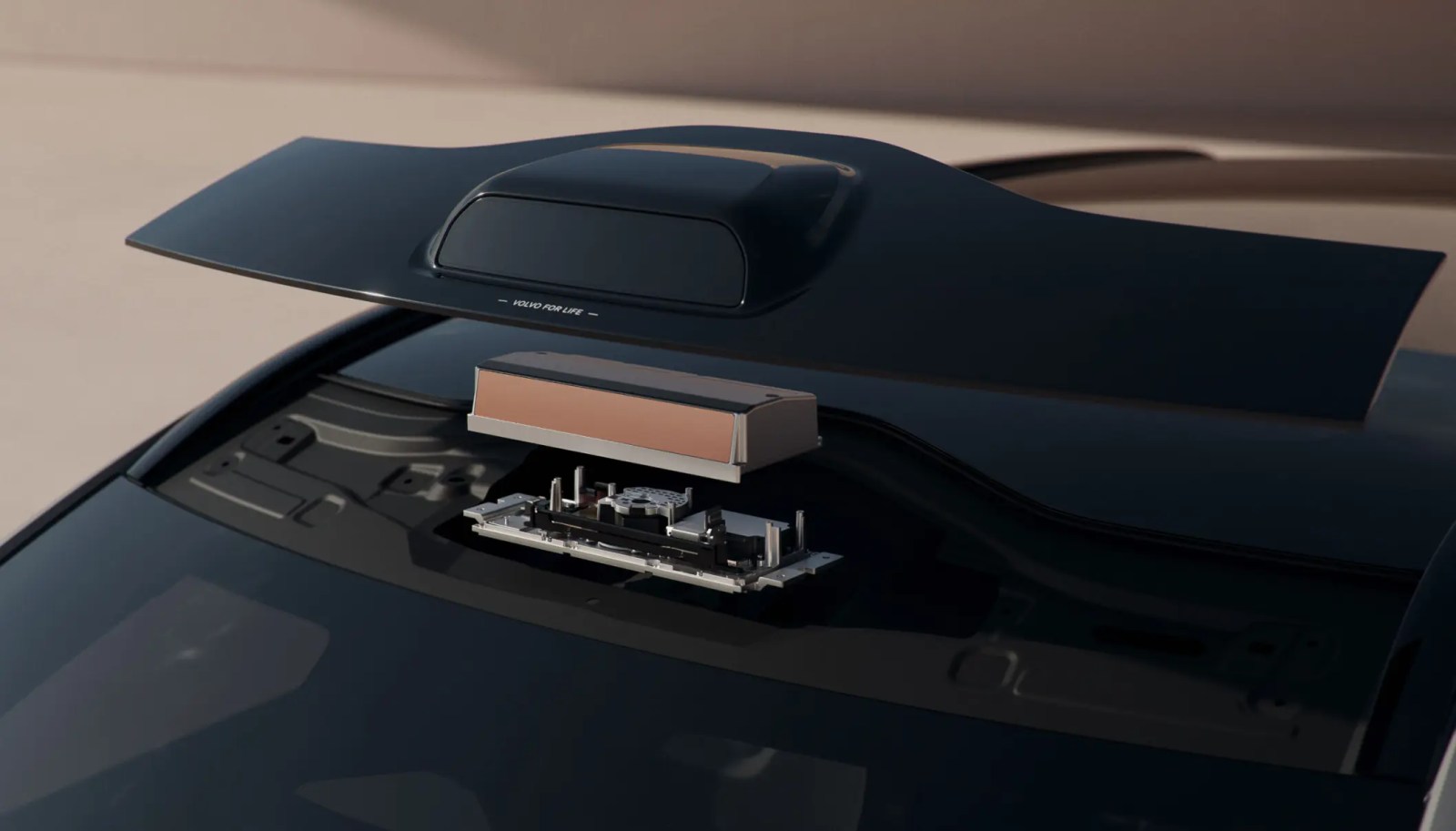
Volvo confirmed it's permanently removing lidar from the EX90 and ES90 electric SUVs, abandoning the autonomous driving hardware that buyers were originally promised. The Swedish automaker severed its partnership with lidar supplier Luminar and is now compensating owners for the missing technology.
In Norway, Volvo is paying NOK 18,000 (approximately $1,900) per vehicle. The company is implementing market-specific compensation packages across other regions as well.
Lidar sensors were supposed to deliver advanced autonomous capabilities and safer self-driving features on these vehicles. Volvo's decision marks a significant retreat from its previously announced autonomous driving roadmap. The removal reflects broader industry challenges with lidar technology. Costs remain high, manufacturing complexity persists, and regulatory frameworks for autonomous vehicles have moved slower than manufacturers anticipated. Luminar, the primary supplier for Volvo's lidar systems, has faced pressure across the industry as other carmakers reassess their autonomous strategies.
This shift aligns with decisions from other premium automakers who have deprioritized or eliminated lidar in favor of camera-and-radar systems. Tesla never used lidar. Waymo, the autonomous vehicle specialist owned by Alphabet, remains one of the few companies betting heavily on lidar technology, though its deployment remains limited.
For EX90 and ES90 owners, the compensation represents an acknowledgment that Volvo cannot deliver on original specifications. The payout, while tangible, cannot restore the autonomous features customers expected when placing orders. Volvo is betting that its camera-based safety systems and existing driver assistance features will suffice for current customer expectations.
The move also signals that Volvo is reallocating resources toward more achievable autonomous capabilities in the near term. The company continues to develop Level 2 advanced driver assistance systems without lidar hardware. This decision doesn't eliminate