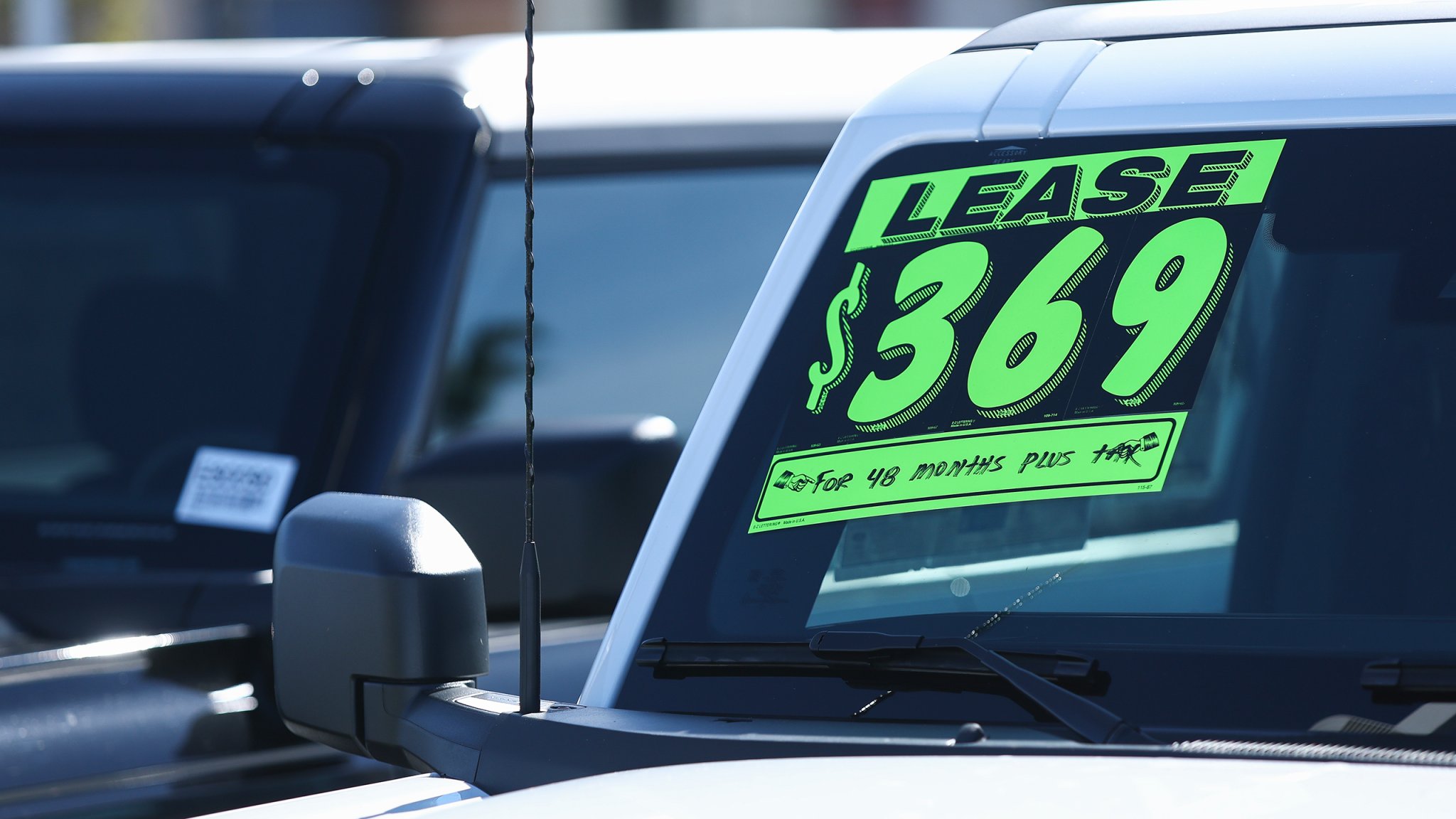
Leasing has lost its appeal to American drivers, and automakers shoulder the blame for pricing themselves out of the market.
Lease penetration in the U.S. has declined sharply as manufacturers aggressively raised residual values and monthly payments during the pandemic supply crunch. What started as a strategy to manage inventory scarcity during chip shortages has calcified into standard practice. Dealers and brands discovered they could command premium pricing without losing volume, and that mentality persists despite normalizing inventory levels.
The math no longer works for lessees. Monthly payments on lease programs have climbed faster than purchase pricing on comparable vehicles. A driver considering a three-year lease now often faces payments that rival financing terms on an actual purchase. That erodes the core value proposition of leasing, which historically offered lower monthly costs than ownership in exchange for mileage restrictions and wear-and-tear penalties.
Residual values inflated by manufacturers have compressed the gap between lease and buy equations. When automakers artificially prop up what they expect cars to be worth at lease-end, they inflate the capitalized cost that feeds into monthly payments. Lessees absorb those inflated valuations through higher rent charges.
The industry learned during 2021 and 2022 that consumers would accept reduced incentives and tighter lease terms. That discipline remained even as supply normalized. Brands including Hyundai, Chevrolet, and Toyota have maintained stricter lease programs with higher payments and lower incentives compared to pre-pandemic norms.
Lease volumes have contracted measurably. Consumers increasingly opt for purchase financing or cash deals, accepting long-term ownership rather than dealing with expensive lease payments and mileage overage fees. This shift accelerates as used-car prices stabilize, making three-to-five-year-old vehicles more affordable to buyers exiting the lease market.