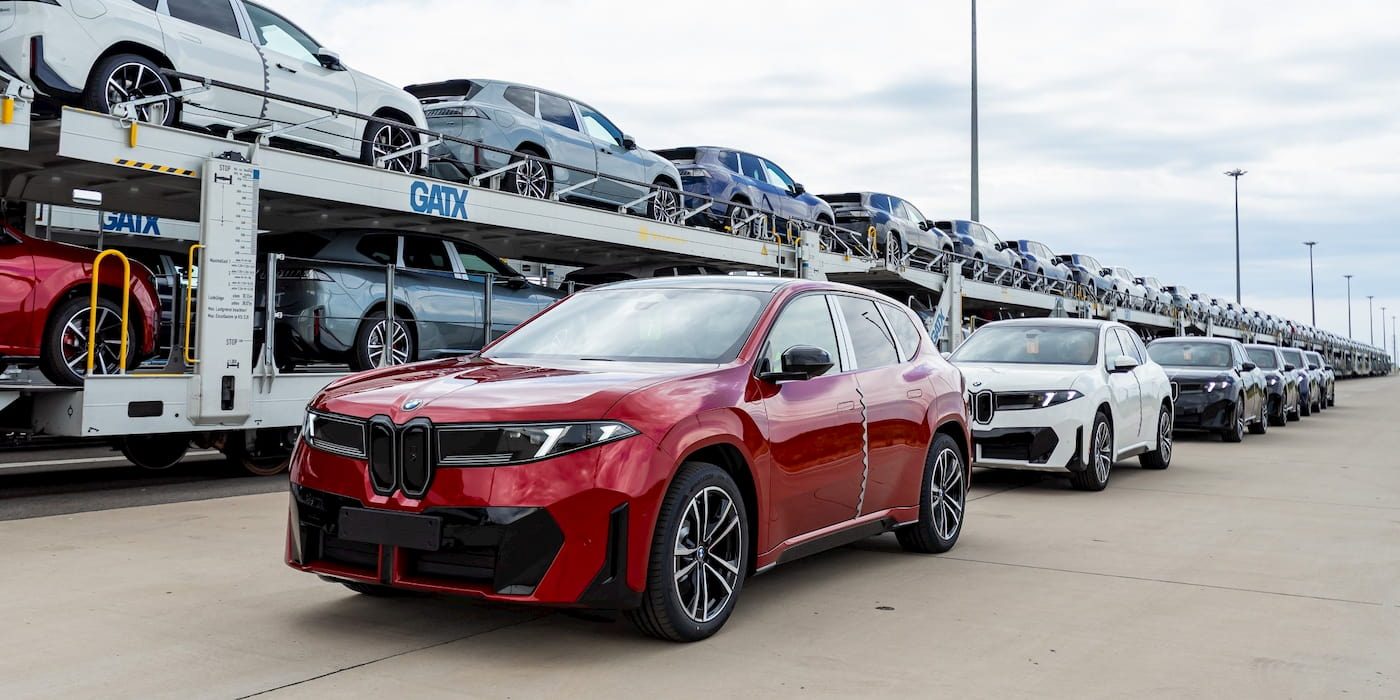
BMW is accelerating iX3 production to handle nearly 100,000 orders for its compact luxury electric SUV. The Munich automaker faces robust global demand that requires factory expansion and faster assembly lines.
The iX3 represents BMW's electric answer to models like the Tesla Model Y and Mercedes EQC. It seats five, offers around 280 miles of range depending on battery configuration, and starts near $60,000 in key markets. The SUV blends BMW's interior quality with practical cargo space, appealing to buyers who want premium branding without full luxury pricing.
Near-100,000 orders signal that BMW's EV strategy resonates with consumers worldwide. This volume compares favorably to competitors. The model benefits from BMW's existing manufacturing infrastructure, allowing faster scaling than entirely new platforms would allow.
BMW did not disclose specific production targets or new factory locations in the announcement. However, ramping to meet six-figure order books requires significant capital investment. The automaker likely increases shifts, adds assembly equipment, and streamlines processes across its manufacturing network.
The timing matters. Legacy automakers face pressure from Tesla's Model Y dominance in the affordable premium segment. BMW's ability to move iX3 units quickly directly impacts profitability and market share in a rapidly consolidating EV space. Production delays would hand sales to competitors.
Demand strength also reflects changing buyer psychology. Three years ago, electric SUVs faced skepticism about range and charging infrastructure. That hesitation has largely evaporated. Customers now view EVs as proven technology with practical advantages. BMW's order surge reflects this maturation.
The company has not announced price adjustments or whether production expansion will include new geographies. Chinese factories likely handle significant volume given that market's EV appetite. European and North American production probably increase as well to manage logistics and tariff exposure.
BMW's iX3