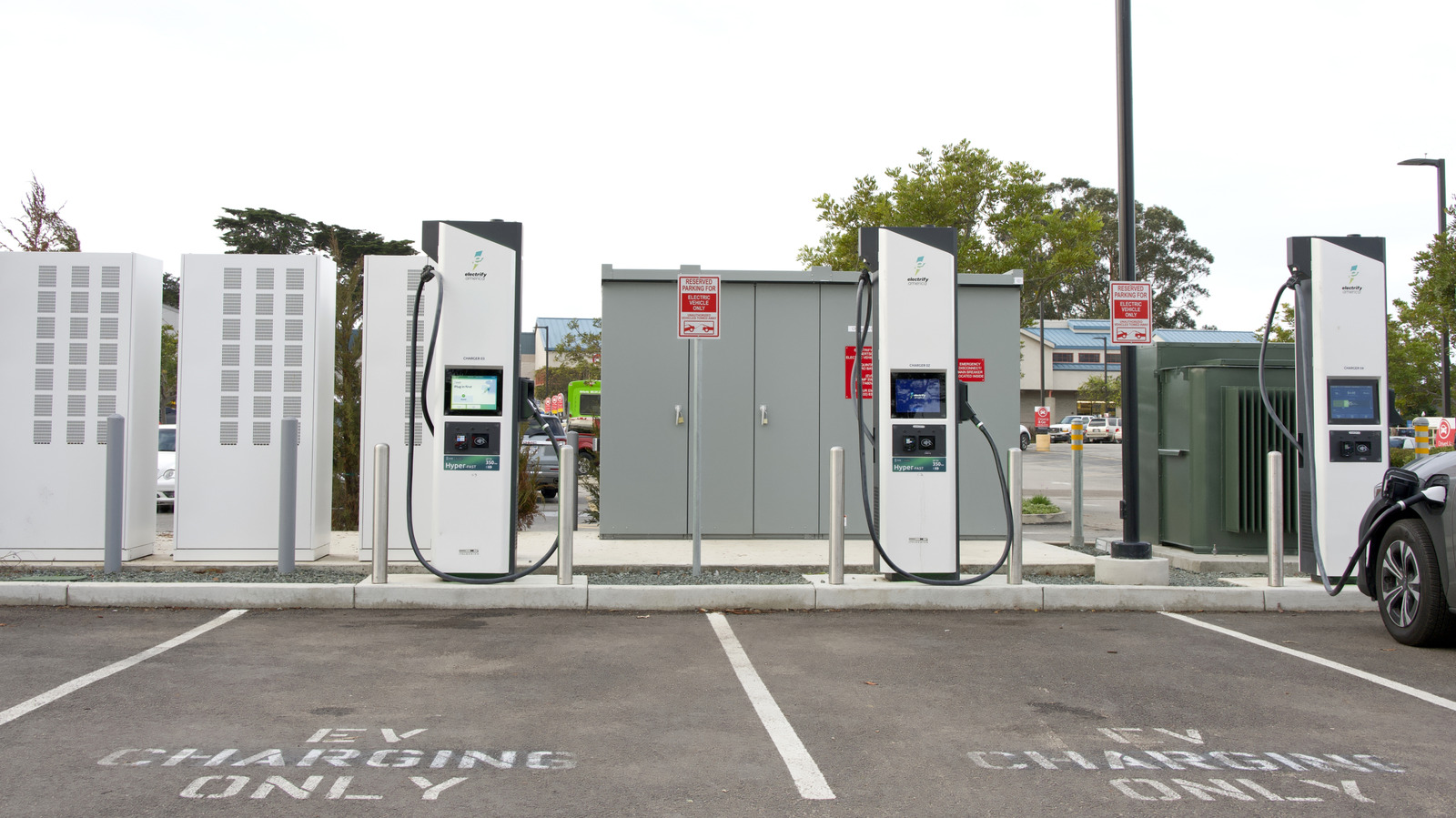
California's embrace of electric vehicles is faltering as consumers shift toward hybrid powertrains. New vehicle registrations in the second quarter show hybrids capturing 25 percent of the market, nearly double the 16 percent share claimed by pure battery-electric vehicles.
This reversal marks a significant retreat from California's aggressive EV mandates and charging infrastructure investments. The state has spent billions promoting zero-emission vehicles while planning to ban new gas-only car sales by 2035. Yet drivers are voting with their wallets for the flexibility hybrids offer.
The trend reflects real-world friction points that regulatory enthusiasm hasn't solved. Range anxiety persists despite expansion of charging networks. Purchase prices for EVs remain steep. Charging times exceed fifteen minutes in most cases, while hybrids eliminate range concerns entirely by pairing electric motors with traditional combustion engines. For Californians facing long commutes, variable weather, and urban congestion, hybrids deliver practical benefits without the infrastructure gamble.
Toyota and Honda have capitalized on this shift. The RAV4 Prime, Prius Prime, and Accord Hybrid models dominate California's hybrid segment. These vehicles deliver 40-50 mpg equivalent while maintaining familiar refueling patterns. The Prius, Toyota's flagship hybrid, consistently ranks among California's best-selling models across all vehicle categories.
Luxury manufacturers also recognize the trend. Lexus hybrid options now outsell standalone electric models in the California luxury market. BMW and Mercedes-Benz have expanded plug-in hybrid lineups targeting affluent buyers hesitant about pure-electric commitments.
This California pattern carries national implications. If the state's EV adoption flattens while hybrids surge, automakers will adjust product portfolios accordingly. Investment in hybrid technology could accelerate while pure EV development slows outside premium segments. Charging infrastructure subsidies may