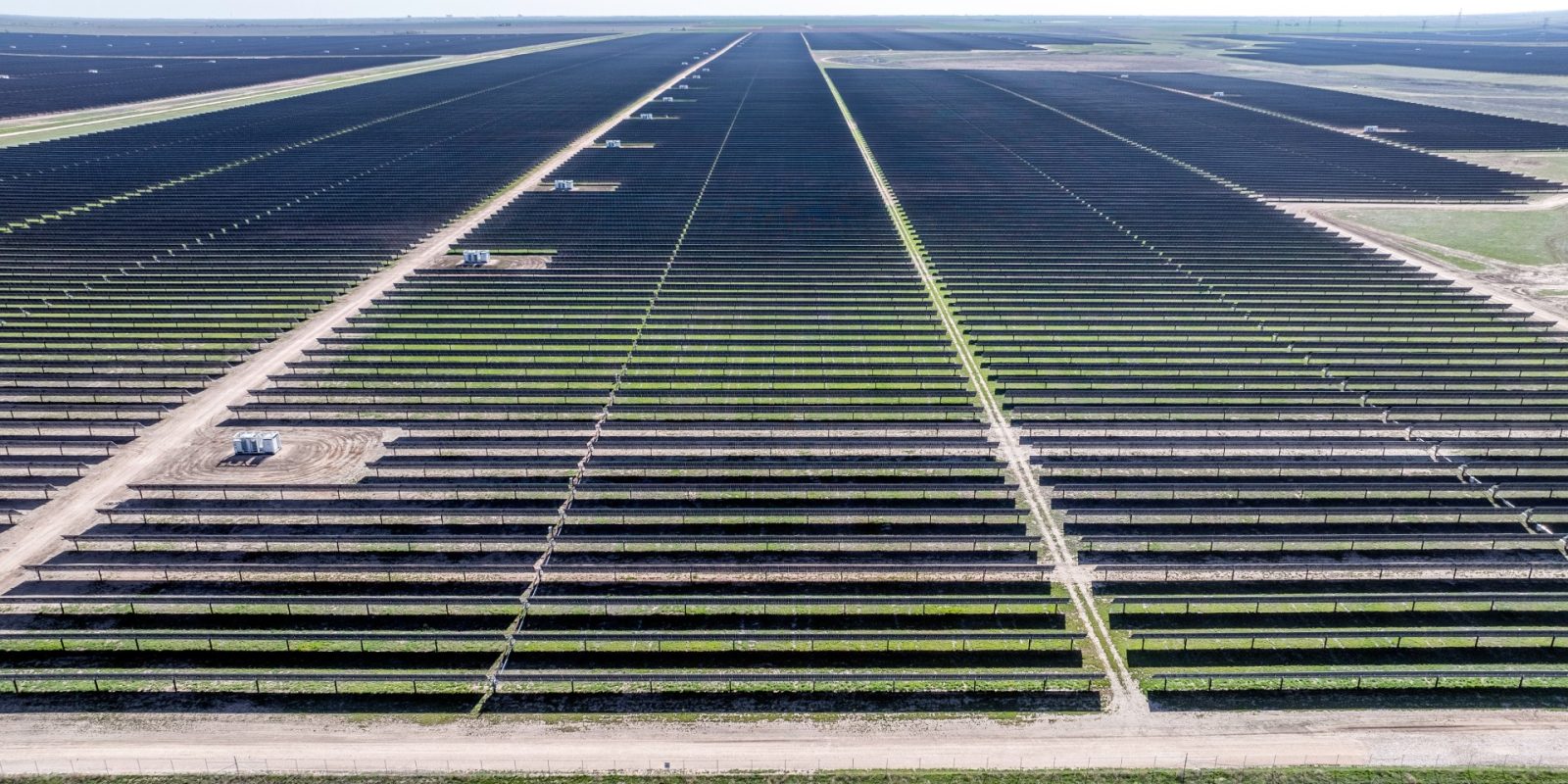
Solar power generation surpassed both coal and wind in May, marking a watershed moment for American energy generation. Data released by the US Energy Information Administration and analyzed by the SUN DAY Campaign reveals the fastest-growing energy source in the nation has now overtaken two established pillars of the grid.
This shift reflects the acceleration of solar deployment across residential, commercial, and utility-scale installations. The rooftop boom, driven by falling panel costs and federal tax credits, combined with massive utility solar farms, has created capacity that rivals traditional generation. Solar installations added roughly 30 gigawatts annually in recent years, outpacing wind additions and fundamentally reshaping the generation mix.
Wind, long the renewable darling and coal replacement, generated less than solar for the first time in a single month. Wind capacity remains substantial, but deployment has slowed as transmission constraints and supply chain pressures limit growth. Coal continues its steady decline, with retirements accelerating and older plants becoming uneconomical to operate.
The causation here matters. Solar's advantage in May likely reflects seasonal factors. Spring and early summer mean longer daylight hours and typically clearer skies across major solar-producing regions like California, Texas, and the Southwest. Wind patterns favor fall and winter generation. Grid operators do not yet rely solely on solar for baseload power because intermittency remains a real constraint.
However, the trend direction unmistakably favors solar. Cost curves continue dropping. Storage systems like lithium batteries now pair with solar installations, reducing the intermittency problem. Developers see solar as the fastest path to new capacity in most markets.
This May data point signals that policymakers and utilities must accelerate grid modernization efforts. Transmission upgrades, grid management software, and storage deployment must keep pace with solar growth. Without these investments, curtailment of solar generation becomes inevitable in high-penetration regions.
The