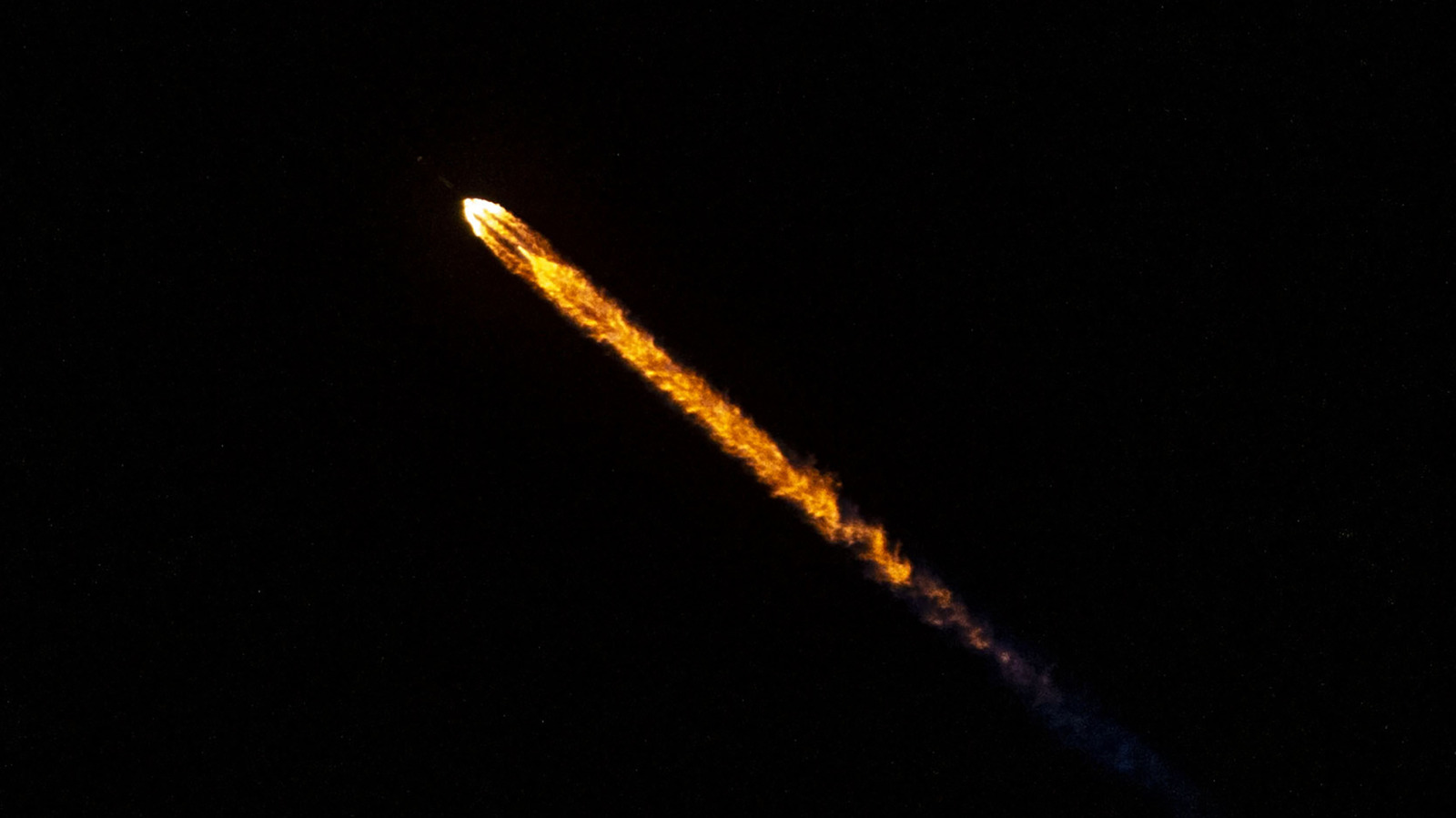
A SpaceX Falcon 9 rocket body will collide with the moon on March 4th at approximately 5,400 miles per hour, creating an impact crater roughly 90 feet wide. NASA plans to document the event using its Lunar Reconnaissance Orbiter, capturing before-and-after imagery to study the collision's effects.
The crash represents an unintended consequence of SpaceX's 2015 Deep Space Climate Observatory mission launch. The rocket's upper stage entered a chaotic orbital path years ago, eventually becoming a derelict piece of space debris. Orbital mechanics specialists tracked the stage's trajectory and determined its collision course with the lunar surface months in advance.
This event offers scientists a rare opportunity to study impact dynamics on the moon without deliberately sending a probe. The LRO's high-resolution camera will document crater formation, ejecta patterns, and subsurface disruption. Such data helps researchers understand lunar geology and informs planning for future landing sites where equipment could encounter similar debris.
SpaceX's Starlink constellation generates ongoing concerns about space debris accumulation. While this particular impact involves an older Falcon 9 stage, the broader industry trend points toward increasing orbital clutter. Each defunct satellite or rocket body poses collision risks for active spacecraft and complicates launch planning.
The moon's airless environment means the rocket stage will strike without atmospheric resistance or ablation. The impact's violence exceeds anything possible on Earth's surface. Lunar impacts also leave permanent records, as there's no weather to erase crater features.
NASA selected the LRO for documentation because its orbit passes over the predicted impact zone. The spacecraft operates continuously despite launching in 2009, providing unexpected scientific value from routine debris tracking. This represents a pragmatic approach to space operations: when collision becomes inevitable, capture the science.