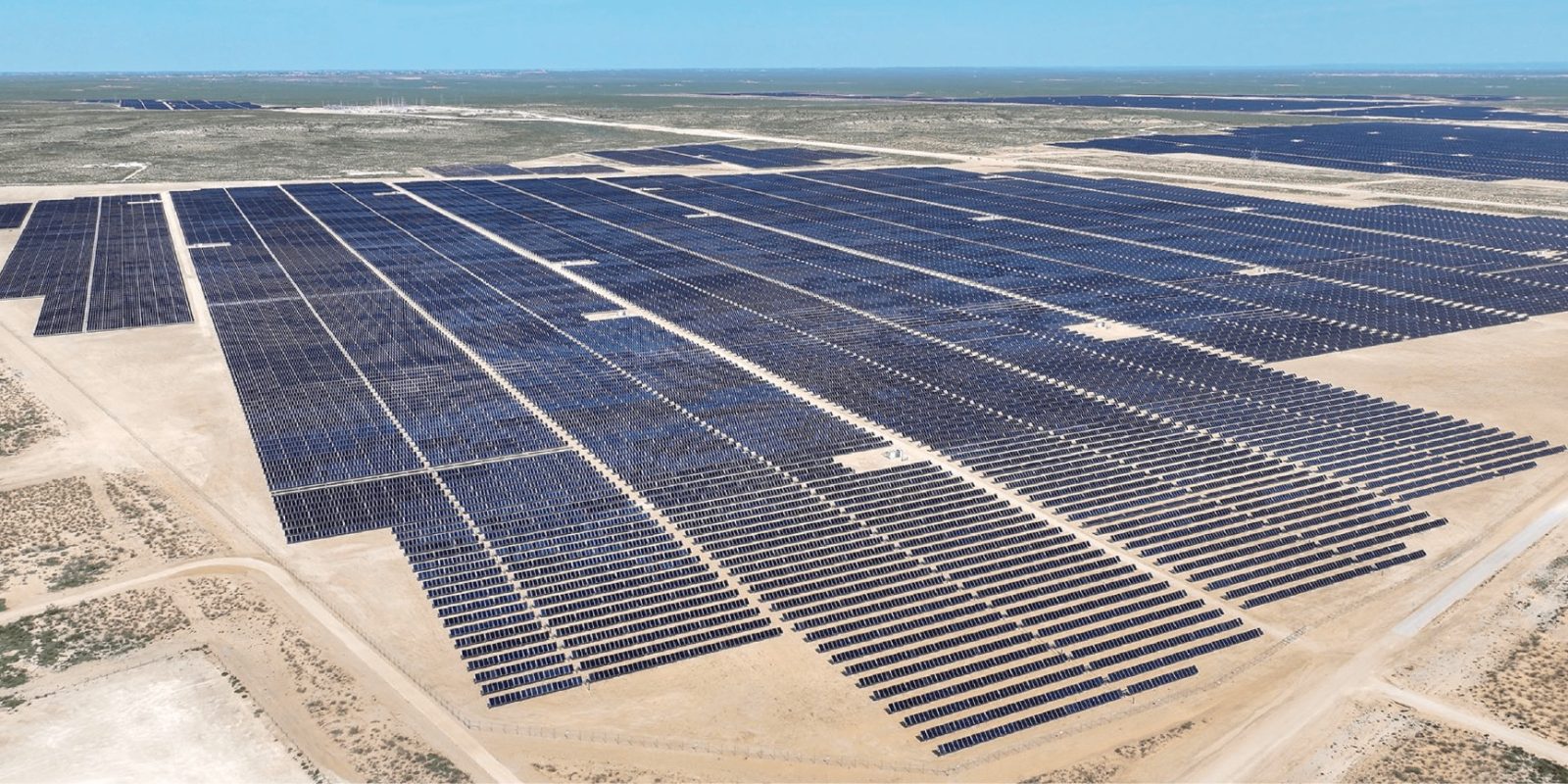
Origis Energy has commissioned 500 megawatts of direct current solar capacity at its Rockhound complex in West Texas, bringing the facility's total operating output to nearly 1 gigawatt. The project remains only halfway complete.
The Rockhound site represents one of the largest solar installations underway in Texas, a state leading U.S. renewable energy expansion. Origis Energy, a major renewable developer, continues phased construction at the sprawling West Texas location. Half a gigawatt now operates. Another 500 megawatts remains under development.
This scale matters for grid infrastructure. Texas faces constant pressure to expand generation capacity as population grows and industrial demand surges, particularly from data centers and manufacturing. Solar projects like Rockhound help balance that demand while avoiding the carbon footprint of natural gas plants. The state already leads America in both wind and solar installations.
Rockhound's scale reflects industry economics. Large solar farms achieve lower per-megawatt costs through equipment bulk purchasing, land consolidation, and streamlined operations. A 2-gigawatt facility generates returns faster than scattered smaller installations. Land availability in West Texas, combined with excellent solar irradiance, makes the region ideal for utility-scale development.
The project's phased approach lets Origis Energy match construction to grid interconnection availability and power purchase agreements with utilities or corporate buyers. Reaching 1 gigawatt halfway through shows investor confidence and engineering execution. Utilities need this capacity. Texas grid operator ERCOT projects continued summer demand growth as air conditioning loads intensify and electrification spreads.
Solar economics have shifted dramatically. Installation costs fell 70 percent over the past decade. Battery storage paired with solar projects now offers grid stability beyond daylight hours. Rockhound's continued expansion signals developer confidence that solar power remains profitable even as subsidies phase down.