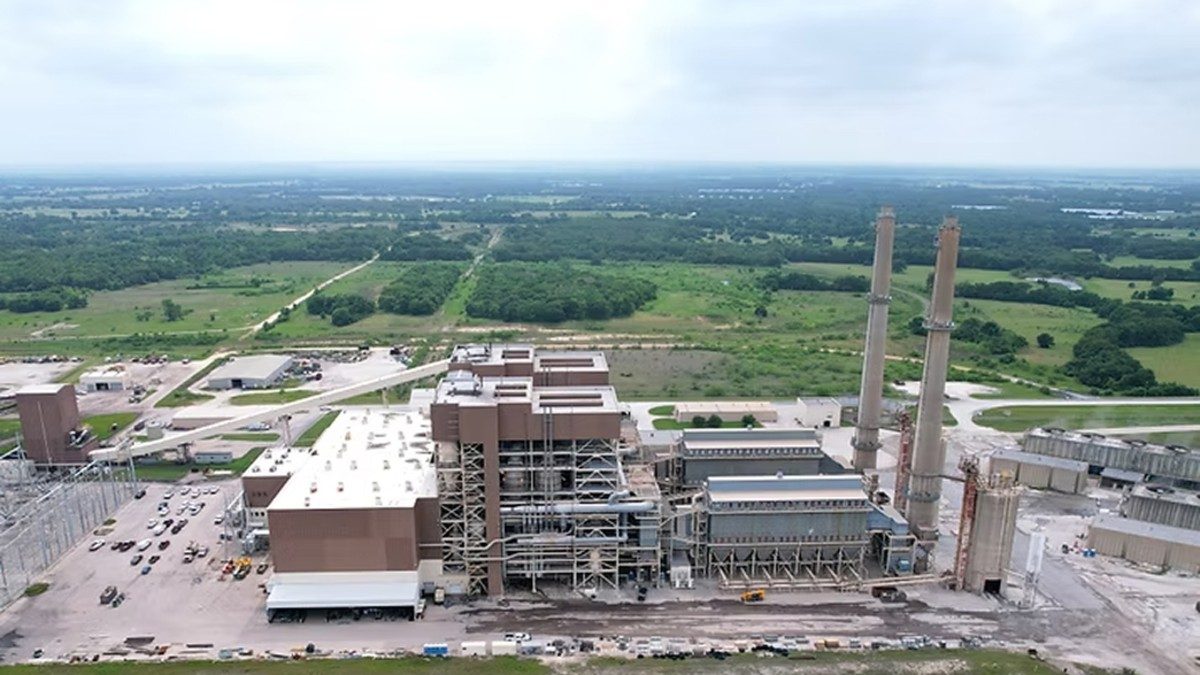
A 1.2-gigawatt solar farm is under construction at the Twin Oaks Power Station site in Texas, marking one of North America's largest coal-site solar projects. The solar installation will operate adjacent to the existing coal plant, which continues running without closure plans.
This dual-fuel strategy reflects a pragmatic approach to energy transition in Texas. The state's grid operator, ERCOT, manages peak demand through diverse generation sources. Coal plants provide baseload power and grid stability, while solar farms handle daytime generation. Keeping the coal facility operational maintains backup capacity during cloudy periods and evening hours when solar output drops to zero.
The project highlights the tension between renewable energy expansion and coal plant retirement. Rather than demolishing aging coal infrastructure, operators increasingly repurpose sites for solar installations. These locations offer existing grid connections, transmission infrastructure, and permitting advantages that reduce development timelines and costs. Texas, already America's wind power leader, now accelerates solar buildout to meet growing electricity demand from data centers and industrial facilities.
Coal's continued presence at hybrid sites reflects both economics and grid reliability concerns. Coal plants cost billions to construct. Decommissioning them while maintaining their stabilizing function strains grids transitioning away from fossil fuels. ERCOT operators argue that retiring baseload capacity too quickly risks blackouts during extreme weather or equipment failures.
However, this coexistence remains temporary. Coal plants average 40 years of operation. Twin Oaks and similar facilities will eventually retire as battery storage technology matures and grid infrastructure improves. Texas is already deploying massive battery projects to address intermittency. As storage becomes cheaper and more prevalent, coal's grid-steadying role diminishes.
The 1.2-GW solar farm represents Texas's commitment to renewable capacity growth without immediately abandoning coal's reliability function. This transitional strategy accepts higher short-term emissions while