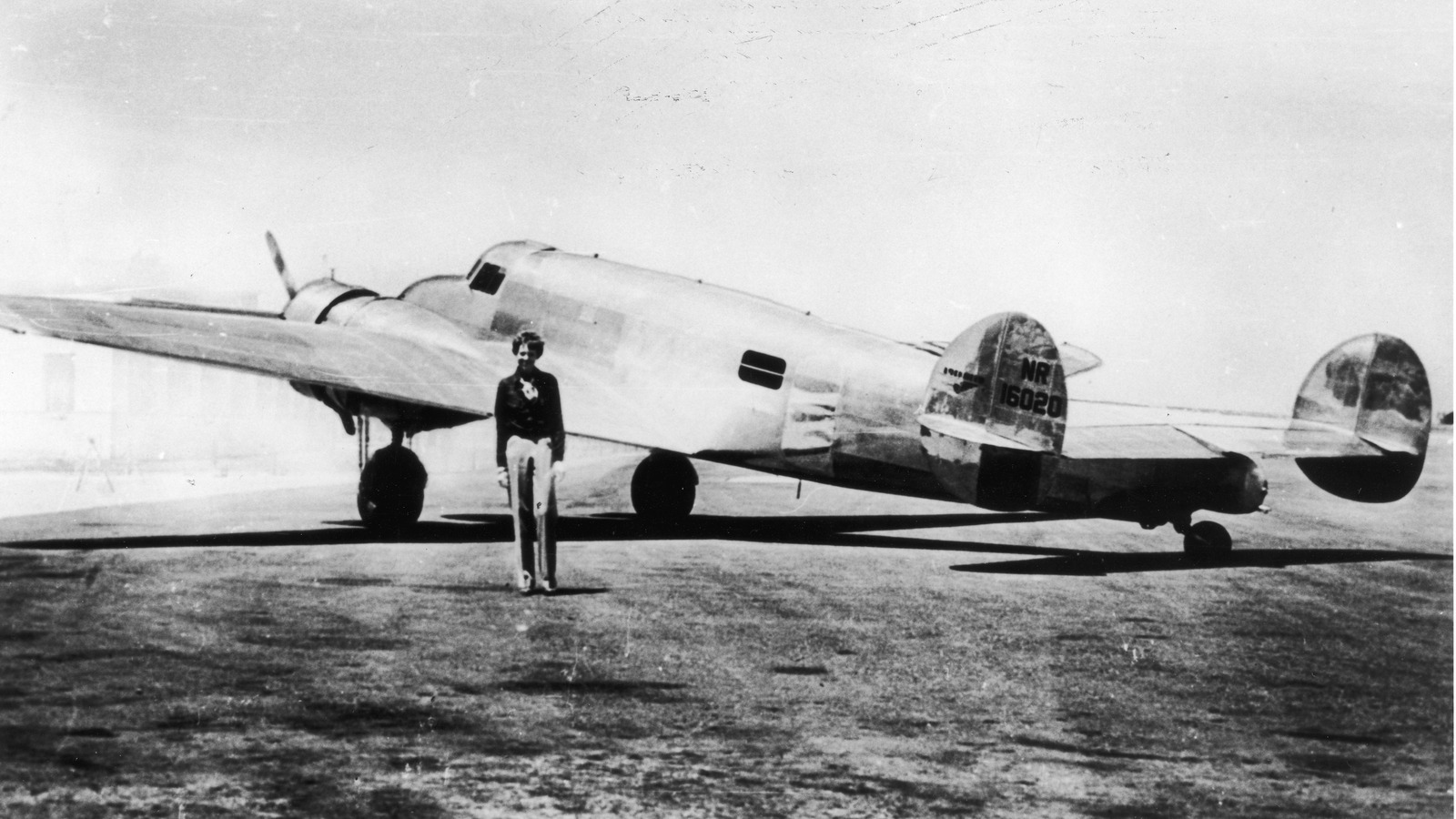
Researchers examining satellite imagery of a remote Pacific island believe they may have located wreckage from Amelia Earhart's Lockheed Electra, which disappeared during her 1937 attempt to circumnavigate the globe. The images, captured over a remote atoll, show what investigators describe as potential aircraft debris partially obscured by vegetation.
Earhart's disappearance remains aviation's greatest unsolved mystery. The pioneering aviator and her navigator Fred Noonan vanished over the Pacific Ocean on July 2, 1937, while attempting to fly from Lae, New Zealand to Howland Island. The Lockheed Electra, a twin-engine monoplane capable of 200 mph, carried enough fuel for the 2,556-mile journey. Official investigations concluded the aircraft ditched in the ocean, but the lack of wreckage evidence left the case open.
The satellite imagery has prompted renewed expedition efforts to physically investigate the site. What appears on screen could be aircraft fuselage, landing gear, or engine components scattered across the island. However, skeptics note the resolution limitations of satellite technology mean the anomalies could just as easily be natural debris, downed vegetation, or geological formations. A collapsed coconut tree, some observers have wryly noted, bears superficial resemblance to aircraft wreckage in low-resolution imagery.
Despite the long odds and previous false leads, researchers argue that on-site investigation remains warranted. The cost of a expedition pales against solving aviation's enduring riddle. Earhart's legacy transcends her disappearance. She held more aviation records than any pilot of her era and championed women in aviation when the field remained almost exclusively male. Finding definitive answers about her fate would provide closure to her family and satisfy decades of public curiosity.
Whether this expedition uncovers the