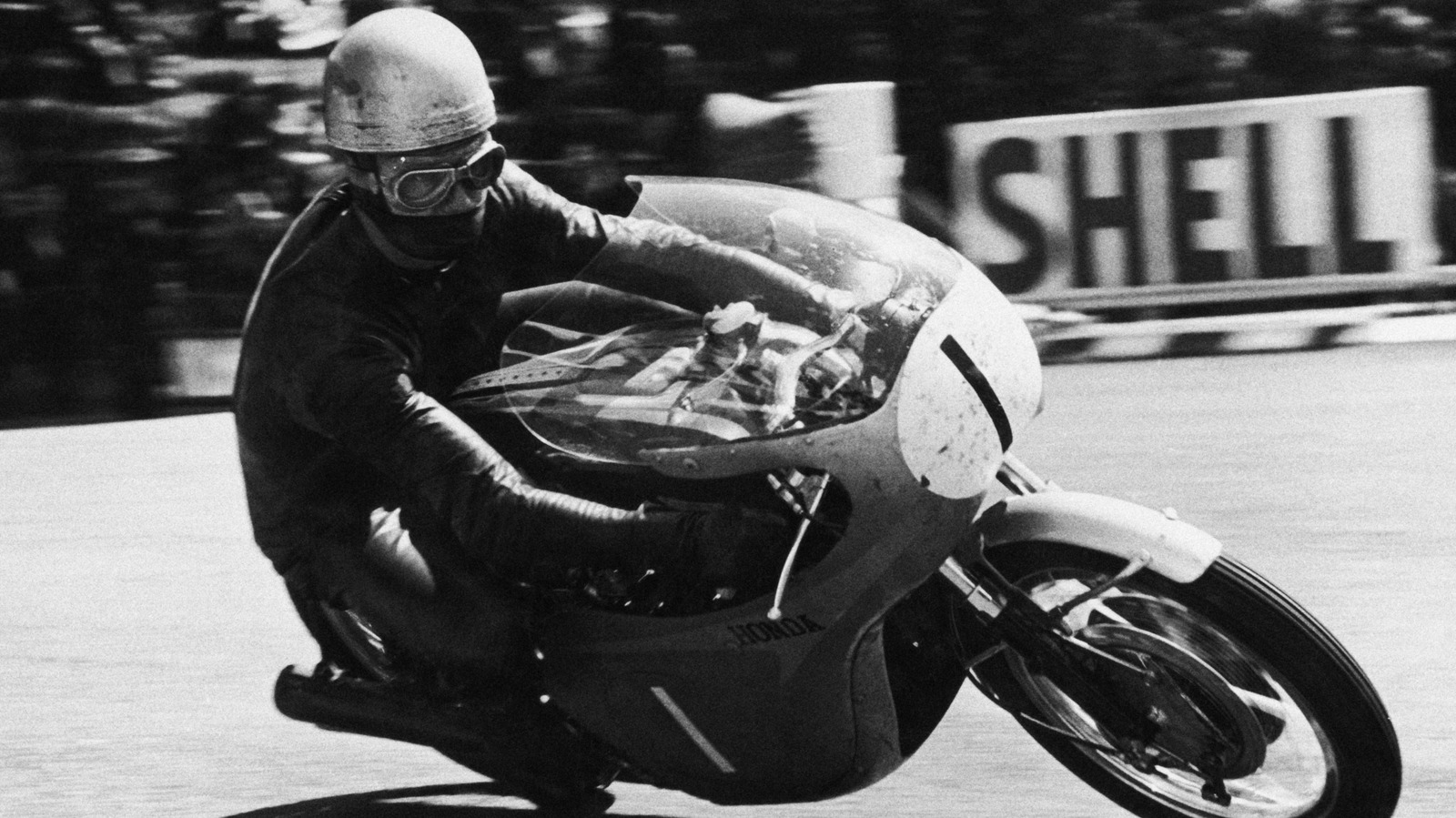
Honda's rarest motorcycles command premium prices in today's collector market, with production runs measured in the hundreds rather than the thousands. Limited-edition models and early prototypes fetch significantly higher values than their common counterparts, making them targets for serious enthusiasts and investors.
The rarity factor stems from several sources. Some bikes were produced in tiny quantities as experimental models or limited regional releases. Others came from specific market windows or were built in response to particular competitions and events. Honda's willingness to experiment with niche segments across its long history created pockets of extreme scarcity.
Collector values reflect this scarcity directly. A bike produced in 500 units sells for substantially more than an identical model made in 50,000 units, assuming both remain in good condition. The spread can reach six figures for the rarest machines, particularly if they represent significant milestones in motorcycle engineering or design history.
Condition matters enormously. Original paint, matching numbers, complete service records, and low mileage dramatically increase prices. A restored rare Honda can command respectable money, but an untouched original consistently outperforms it at auction.
For collectors, rare Hondas represent tangible assets with documented histories. Unlike mass-production bikes that depreciate predictably, limited machines hold value and often appreciate. A CB750 from 1969 costs pennies compared to a rare prototype or competition-only variant from the same era.
Market demand for Honda's rarest bikes comes from multiple angles. Motorcycle historians want them for archives. Wealthy collectors view them as investments. Restoration enthusiasts pursue them as ultimate projects. This diverse buyer base keeps prices firm even in soft economic conditions.
Honda's approach to limited production contrasts sharply with modern manufacturer strategy. Today's brands crank out millions of identical units across global markets. Rarity now comes from special editions marketed as such, not from