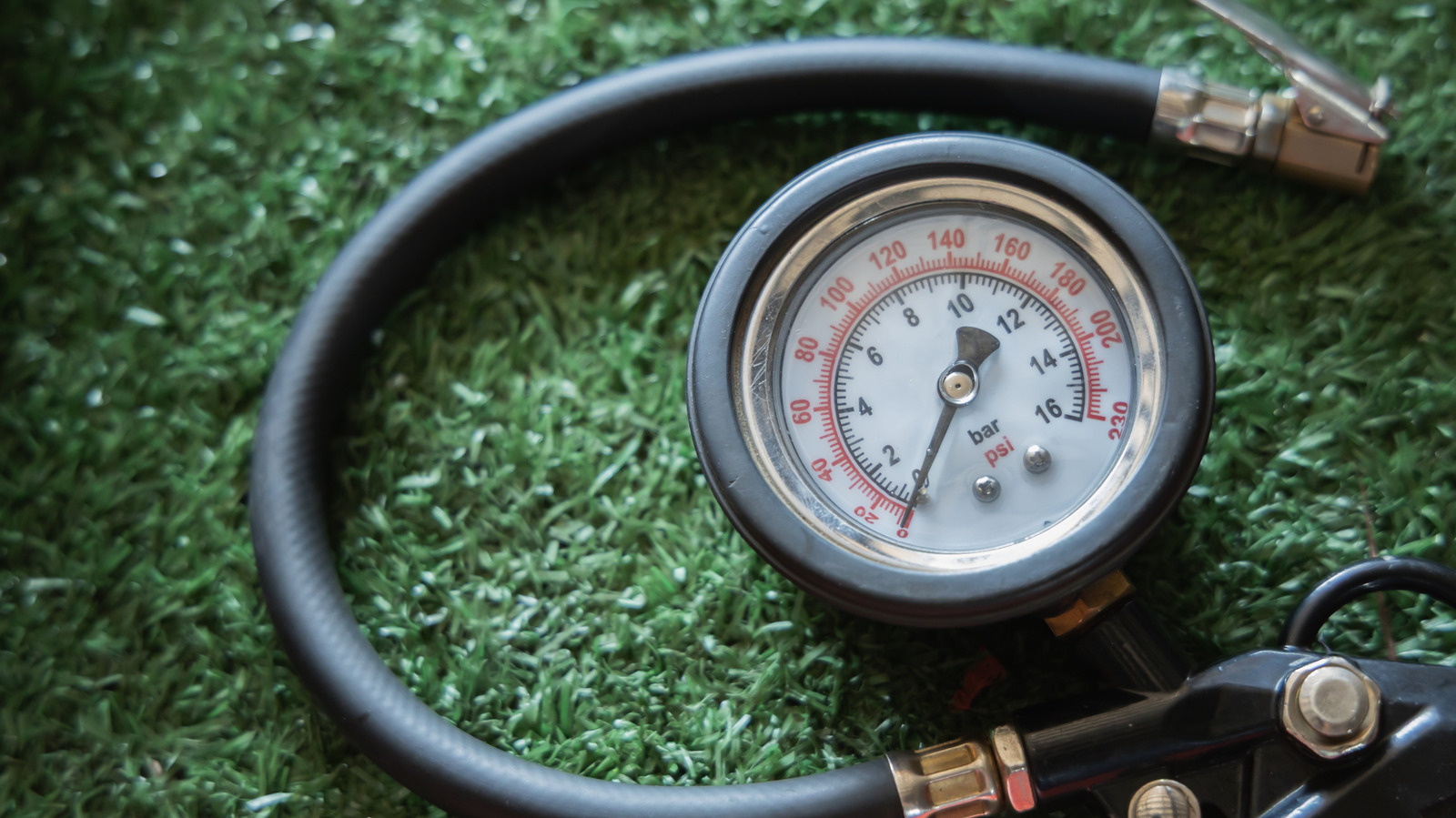
PSI and CFM represent entirely different properties of air delivery, yet mechanics and tool users routinely confuse them. PSI measures pressure, while CFM quantifies volume flow rate. Neither converts to the other.
PSI, or pounds per square inch, indicates how forcefully air pushes against a surface. A compressor rated at 100 PSI generates significant force. This metric matters for tools requiring heavy pressure to operate, like impact wrenches and nail guns. Higher PSI tackles tougher jobs and drives fasteners deeper.
CFM, or cubic feet per minute, measures how much air actually moves through a system. A compressor might deliver 20 CFM at 100 PSI but only 10 CFM at 150 PSI. The volume drops as pressure climbs. This distinction proves critical because tools need both adequate pressure and sufficient airflow to function properly.
A pneumatic impact wrench needs 90 PSI minimum to break loose rusted bolts effectively. However, if the compressor only supplies 5 CFM, the tool will stall and cycle repeatedly instead of delivering continuous power. The operator blames the compressor, but the real problem is insufficient volume, not lack of pressure.
Automotive shops and DIY enthusiasts often buy undersized compressors based solely on PSI ratings. They purchase an 8-gallon tank rated at 150 PSI, expecting it to power multiple tools simultaneously. In reality, the unit might only produce 4 CFM continuously. Two pneumatic sanders operating at once will deplete the tank faster than the compressor can refill it.
The rating plate always shows both numbers. A serious compressor lists CFM at specific PSI levels, typically at 40, 90, and 125 PSI. Always check the CFM delivery at the PSI your tools actually require. If your