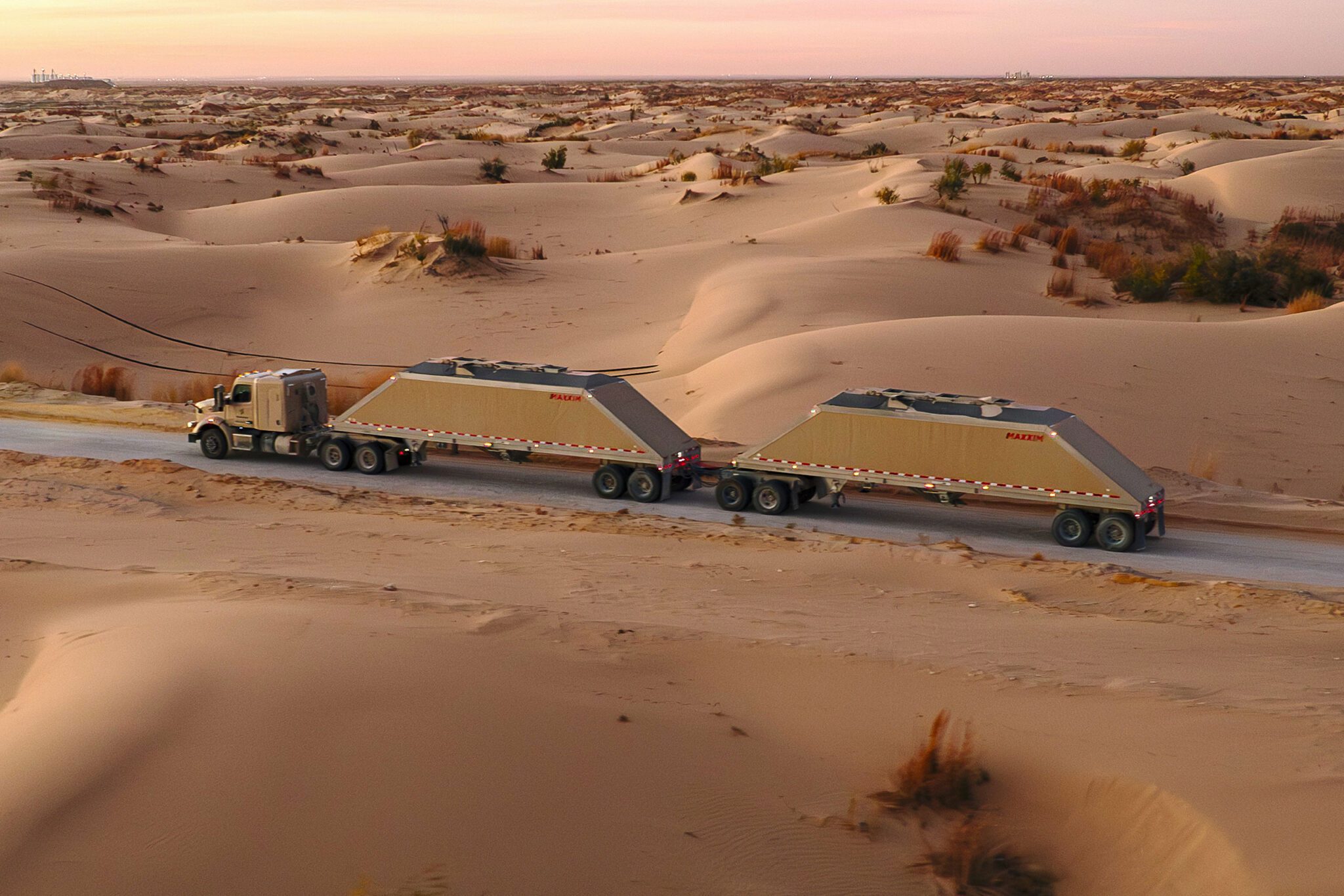
Atlas and Kodiak are scaling their autonomous trucking operations in the Permian Basin to 100 vehicles, marking a critical shift from pilot programs to sustained commercial deployment. The two companies operate driverless trucks across the oil-rich region of Texas and New Mexico, where consistent freight corridors and relatively predictable routes provide ideal conditions for autonomous vehicle testing at scale.
This expansion reflects the broader industry trajectory toward autonomous trucking viability. Unlike robotaxi companies operating in dense urban environments, autonomous truck operators focus on highway routes where repetition and controlled conditions favor faster commercialization. The Permian Basin represents a natural proving ground. High-volume freight movement between drilling sites and refineries creates consistent demand, while sparse traffic and straightforward road conditions reduce the edge cases that plague autonomous vehicles in cities.
Growing to 100 vehicles signals that both companies have moved beyond the prototype phase. Daily operational deployment across 100 trucks generates real-world data at volumes that justify infrastructure investment and route optimization. This scale allows operators to assess profitability, maintenance costs, and insurance frameworks that will determine whether autonomous trucking becomes economically viable beyond subsidized pilots.
The timeline matters. Traditional trucking companies face severe driver shortages and rising labor costs. Autonomous fleets address both problems simultaneously. If Atlas and Kodiak can demonstrate consistent uptime and safety across 100 vehicles, they pressure legacy operators like J.B. Hunt, Schneider, and Werner to accelerate their own autonomous investments. Insurance companies, regulators, and shippers watching these operations will gain confidence in the technology's readiness.
Challenges remain. Weather, mechanical failures, and edge cases still require human intervention on some routes. Regulatory approval for truly driverless operations (without safety operators) remains incomplete across most states. Insurance rates and liability frameworks continue evolving.
Yet the expansion to 100 vehicles demonstrates autonomous trucking has reached operational momentum