The electric bike market continues to expand with quality options across every price tier. A hands-on testing expert at Electrek has compiled recommendations for consumers shopping at various budget levels in August 2026.
The reviewer brings extensive field experience to these evaluations, having logged thousands of miles on hundreds of e-bikes. This real-world testing approach matters. Specs matter. But how a bike actually performs over months of riding matters more. The tester has identified top performers by putting machines through genuine use scenarios rather than relying on marketing claims alone.
E-bikes have evolved significantly. Entry-level models now deliver reliable components and genuine utility at under $1,000. Mid-range options in the $1,500 to $3,000 bracket offer upgraded motors, larger batteries, and refined geometry for serious commuters. Premium models exceed $4,000 and feature cutting-edge tech, premium drivetrains, and specialized designs for off-road or cargo duties.
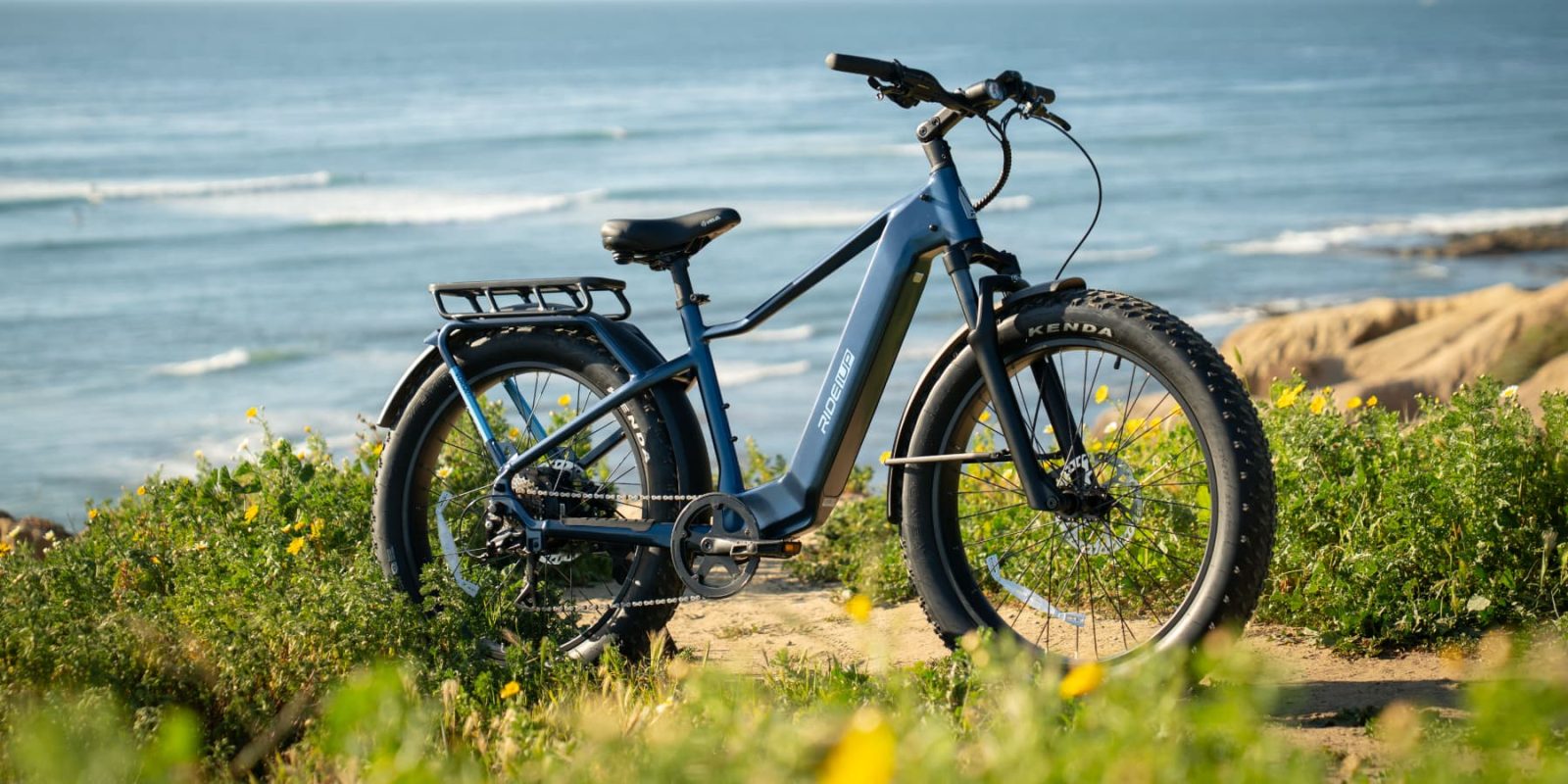
The Ride1Up Vorsa appears prominently in the testing lineup. This fat-tire e-bike balances capability with cost, appealing to riders who want versatility across surfaces. The broad tire footprint handles loose terrain while remaining efficient on pavement.
Buyers today prioritize different factors. Commuters focus on range and reliability. Off-road enthusiasts demand suspension quality and motor power. Urban riders value compact designs and integrated locks. Families consider cargo capacity and passenger options.
The electric bike segment reflects broader automotive trends toward electrification and reduced emissions. Unlike cars, e-bikes require no licensing, offer true last-mile flexibility, and cost pennies to operate compared to combustion alternatives. They're replacing short car trips at unprecedented rates in dense urban areas.
This August 2026 guide serves buyers exploring the expanding selection. The hands-on methodology cuts through marketing noise and points directly to machines that deliver real