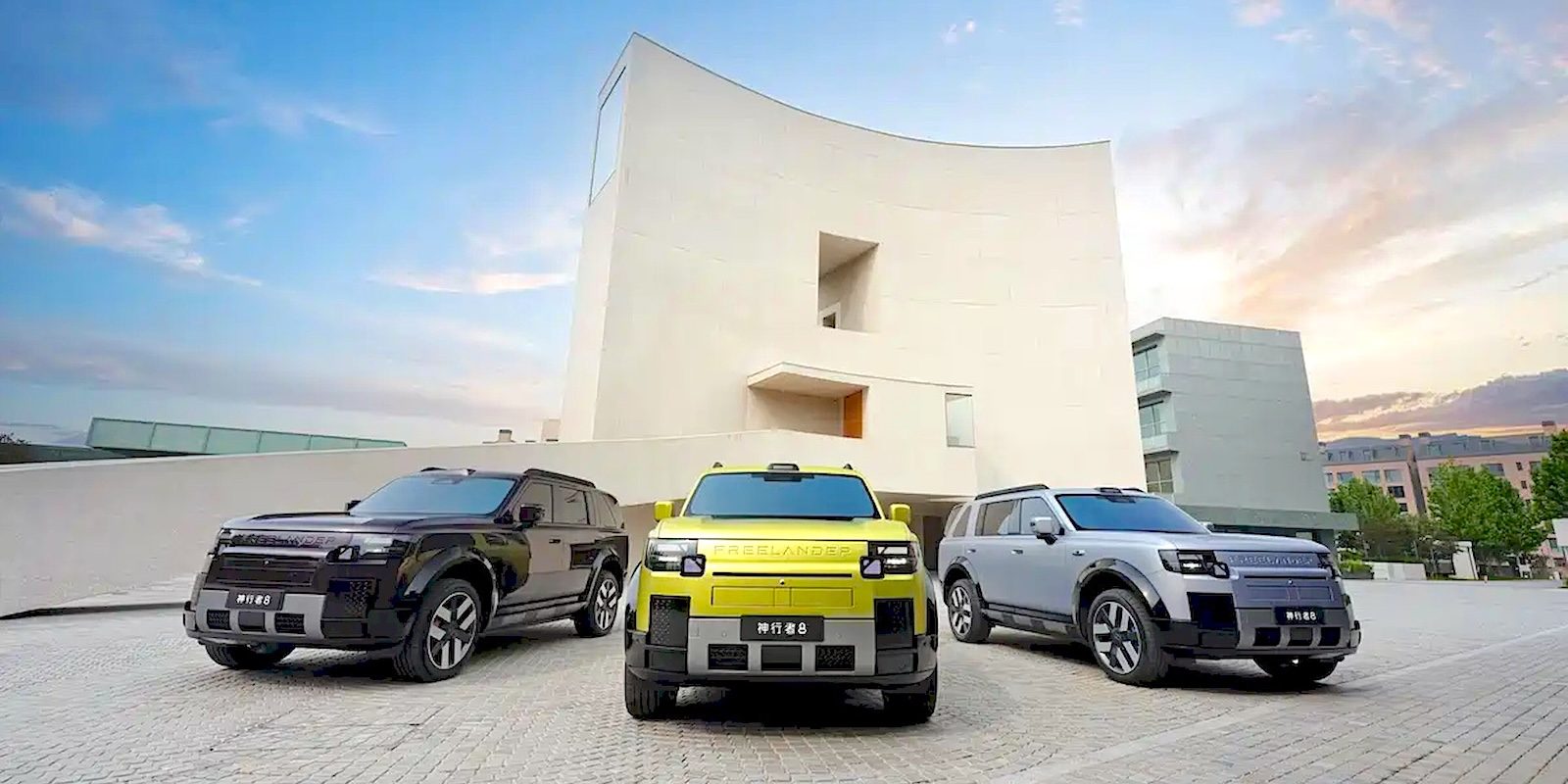
Land Rover's new Freelander 8 EREV targets China's ultra-luxury SUV segment with a six-seat cabin that prioritizes passenger comfort over driver engagement. The plug-in hybrid electric vehicle features an opulent interior design, according to images posted on Chinese social media.
The Freelander 8 EREV aims squarely at wealthy buyers who spend more time being chauffeured than driving. The cabin layout suggests lounge-style seating with emphasis on rear-seat comfort, similar to chauffeur-oriented luxury vehicles. This positioning reflects Jaguar Land Rover's strategy to capture affluent Chinese consumers who value passenger experience and technology integration.
The six-seat configuration departs from traditional five-seat SUV layouts, allowing each passenger dedicated space and amenities. High-tech features and premium materials dominate the cabin, though specific specifications remain limited in available details.
This launch reveals a critical industry shift. Traditional SUVs once centered on driver performance and capability. Now, manufacturers increasingly target buyers seeking mobile luxury lounges. Chinese automakers have dominated this segment, with vehicles like the Li Auto Mega and BYD Song MAX DM-i proving that passengers now drive purchasing decisions more than driving dynamics.
The EREV designation indicates an extended-range electric vehicle powertrain, combining a combustion engine with electric motors to extend range beyond battery-only capability. This hybrid approach appeals to Chinese buyers concerned about charging infrastructure while seeking emissions benefits.
For Land Rover, the Freelander 8 EREV represents a decisive pivot toward electrification and Chinese market priorities. The brand historically emphasized rugged capability and driver-centric design. This new model signals that survival in premium segments now requires comfort-first thinking and plug-in hybrid technology, at least in Asia's largest luxury market.