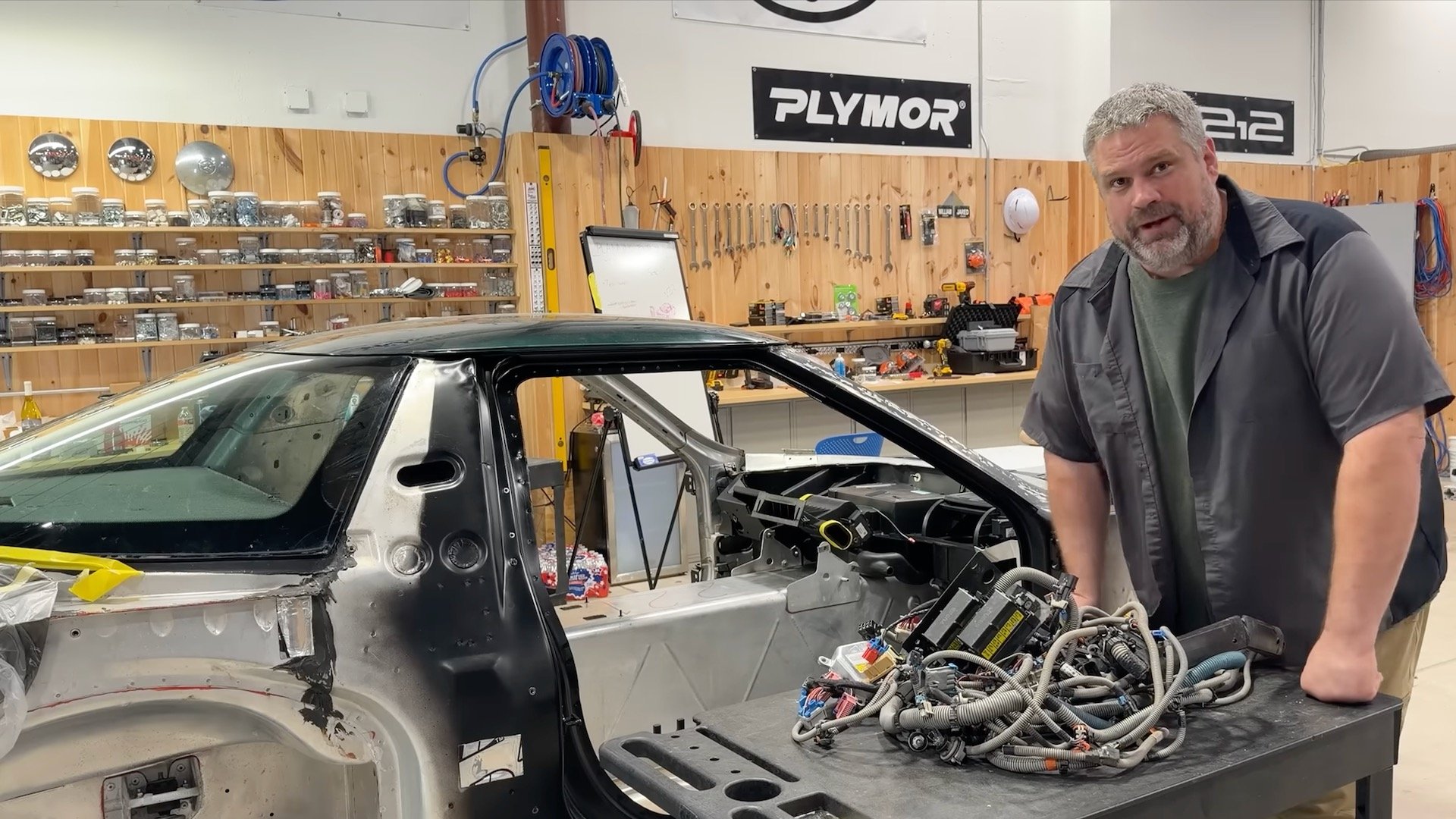
A team of enthusiasts is breathing new life into a General Motors EV1, one of the automotive industry's most infamous casualties. The EV1, GM's electric vehicle from the 1990s and early 2000s, represents a watershed moment in EV history. GM produced roughly 1,100 units before discontinuing the program and infamously recalling and crushing nearly all remaining vehicles in 2003, effectively erasing the model from roads and public memory.
This resurrection project marks a rare second chance for a car that GM deliberately removed from existence. The team has successfully restored electrical systems and gotten power flowing through the vehicle's circuits again, signaling genuine progress on what many considered an impossible task. The EV1's disappearance shaped decades of skepticism about electric vehicles, and the car became a symbol of corporate suppression of EV technology, immortalized in the 2006 documentary "Who Killed the Electric Car?"
Today's EV landscape bears no resemblance to 2003. Tesla proved consumer demand for electric vehicles existed. Ford, Chevrolet, and virtually every major automaker now offer multiple EV options. The EV1's original 100-mile range and charging infrastructure challenges seem quaint against modern offerings like the Chevy Bolt EV, which delivers 259 miles of range, or Tesla's Model 3 with 272-mile capability.
The EV1 itself was technically advanced for its era. The two-seater used an advanced aluminum frame and achieved 0-60 mph in under 8.5 seconds. Battery management systems represented cutting-edge technology in the late 1990s. Despite these innovations, GM cited lack of market demand and profitability concerns to justify the program's cancellation.
This restoration effort carries symbolic weight beyond automotive mechanics. It challenges the narrative that EVs were never viable or desired