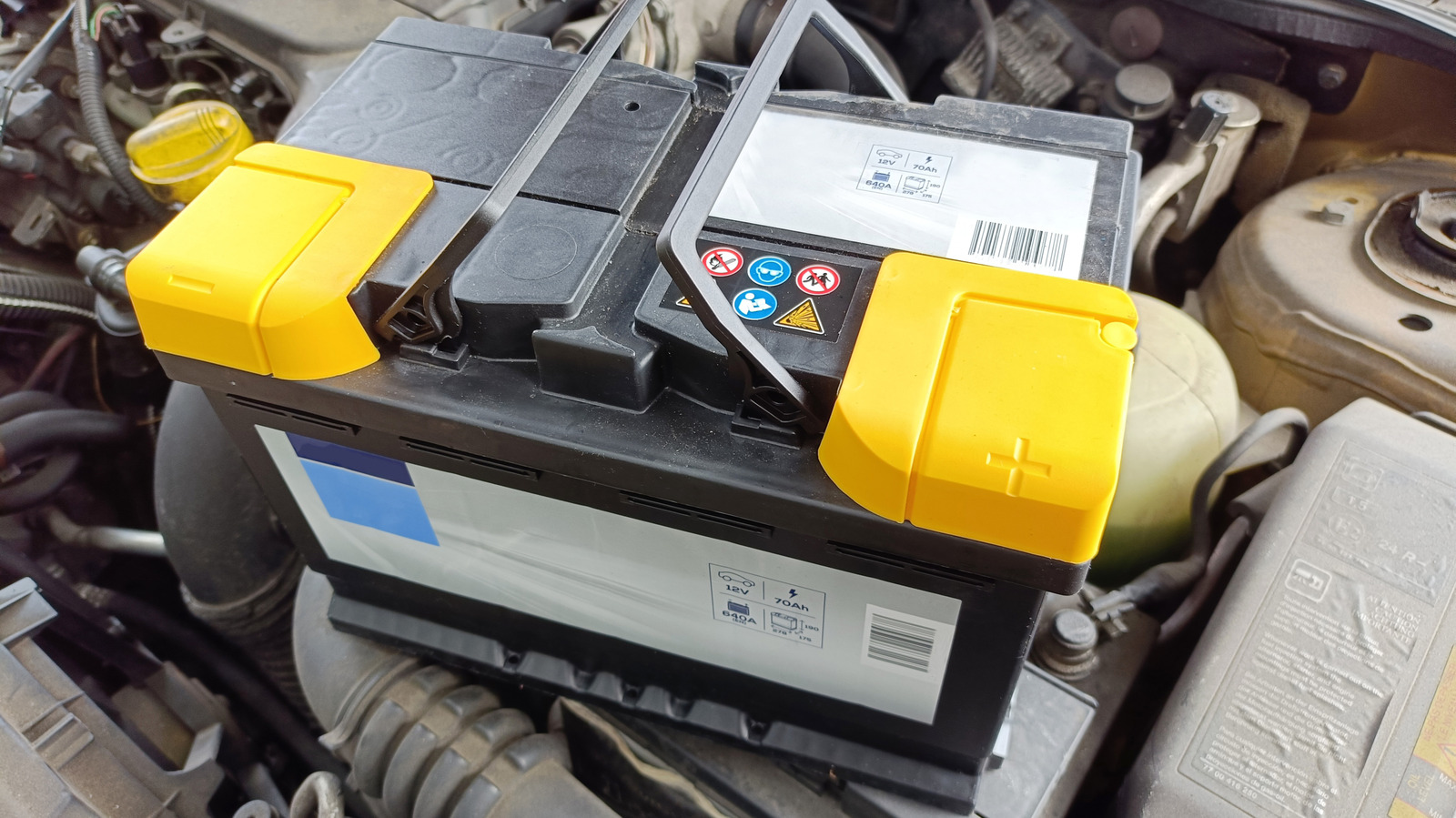
Modern car batteries are sealed units that eliminate the need for water top-offs, a routine maintenance task that plagued owners for decades. Manufacturers now design batteries with vents that recycle electrolyte vapor, keeping fluid levels stable without driver intervention. This shift has made ownership simpler for millions of drivers.
However, "maintenance-free" creates a dangerous misconception. These batteries still degrade over time and require active monitoring. Extreme temperatures accelerate sulfation and internal corrosion. Cold climates drain charge faster, while heat accelerates chemical reactions that shorten lifespan. Most modern batteries last three to five years before replacement becomes necessary.
Drivers should still perform basic checks. Test battery voltage using a multimeter or visit an auto parts store for free load testing. Corroded terminals reduce charging efficiency and merit cleaning with baking soda and water. Loose cable connections prevent proper power delivery to the starter motor and electrical systems. Battery terminals should be tight enough that you cannot wiggle them by hand.
The rise of stop-start technology and hybrid systems places greater demands on modern batteries than their predecessors absorbed. These systems cycle charging and discharging thousands of times annually, accelerating wear. Many manufacturers now specify maintenance every six months for vehicles with aggressive electrical loads.
Extreme driving conditions require closer attention. Towing, frequent idling, and short trip cycles all stress batteries beyond normal parameters. Owners in desert climates benefit from underbody heat shields. Northern drivers should keep batteries fully charged during winter storage.
Most vehicles display battery voltage on the dashboard. Any reading below 12.6 volts at rest signals declining health. Cranking voltage below 10 volts during cold start indicates imminent failure.
Maintenance-free batteries eliminated water management but introduced a false sense of invincibility. Owners who ignore these sealed units until they fail face roadside breakdowns and expensive replac