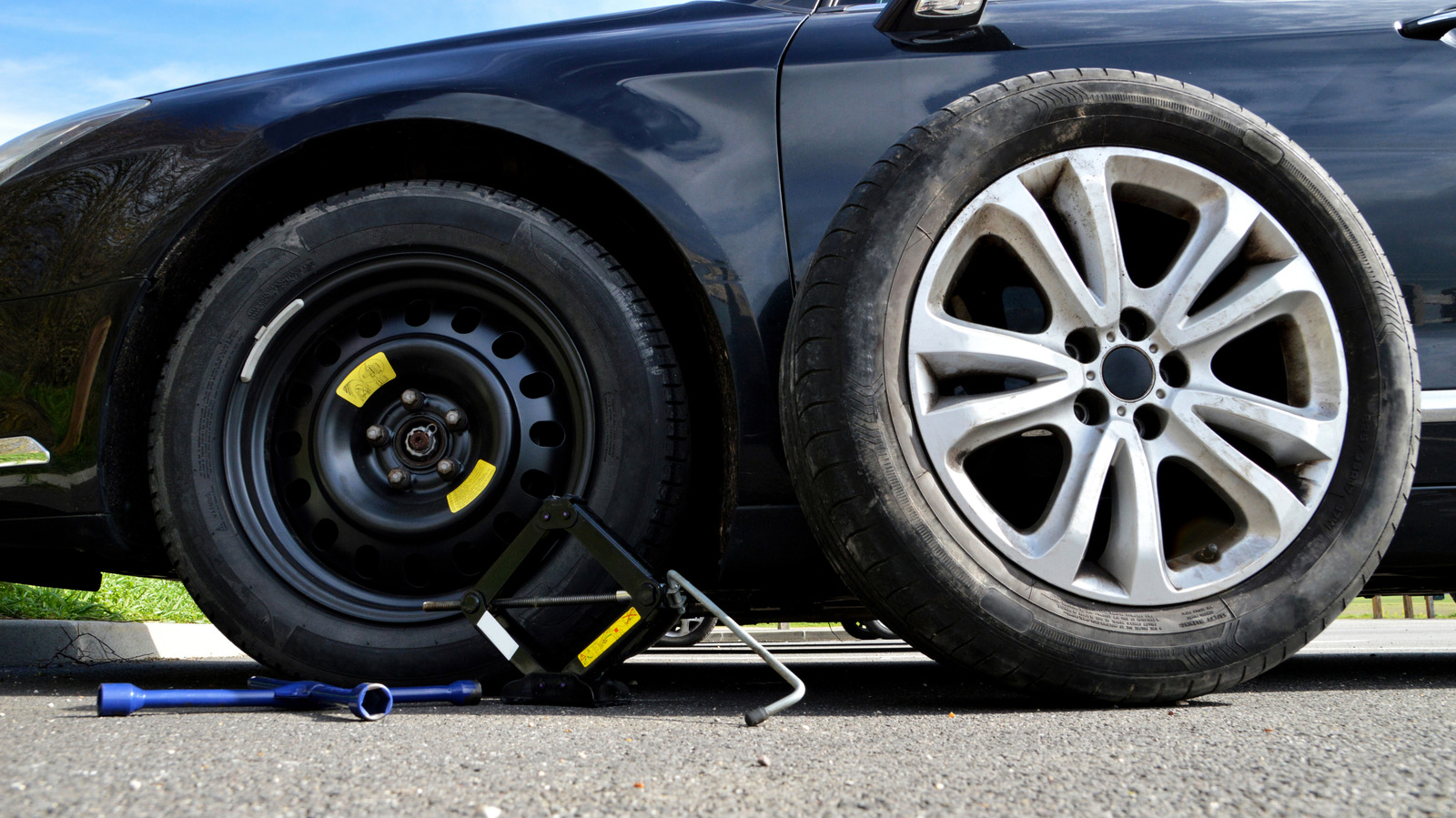
Space-saver spares demand 60 PSI because they operate under fundamentally different constraints than full-size tires. These compact wheels carry the same vehicle load with half the sidewall and contact patch, forcing manufacturers to nearly double the pressure to maintain structural integrity and load capacity.
The math is straightforward. A standard tire at 30-35 PSI distributes a car's weight across a larger surface area. A donut spare, roughly 60 percent of a normal tire's diameter, has far less rubber in contact with the road. To support that same weight, pressure must increase dramatically. Going to 60 PSI stiffens the sidewall enough to prevent the tire from collapsing under load.
This pressure differential also reflects the temporary nature of space-savers. Manufacturers design them as emergency solutions for short trips to a repair shop, not long-term replacements. The higher PSI accommodates this temporary duty cycle. Running a space-saver at standard tire pressure would cause dangerous sidewall flex, premature wear, and potential blowouts.
Drivers often overlook this requirement, but it matters. Incorrect pressure on any spare degrades handling, increases stopping distance, and risks tire failure. The owner's manual specifies the correct PSI for the spare for a reason.
Some vehicles now ship with tire repair kits instead of space-savers, eliminating this confusion. Others offer full-size spares that run at normal pressure. But the donut tire remains common across compact cars and sedans because it saves weight and trunk space. Accept the 60 PSI requirement as part of the deal. Check that pressure annually, inflate it before you need it, and remember this is an emergency tire, not a highway commuter.