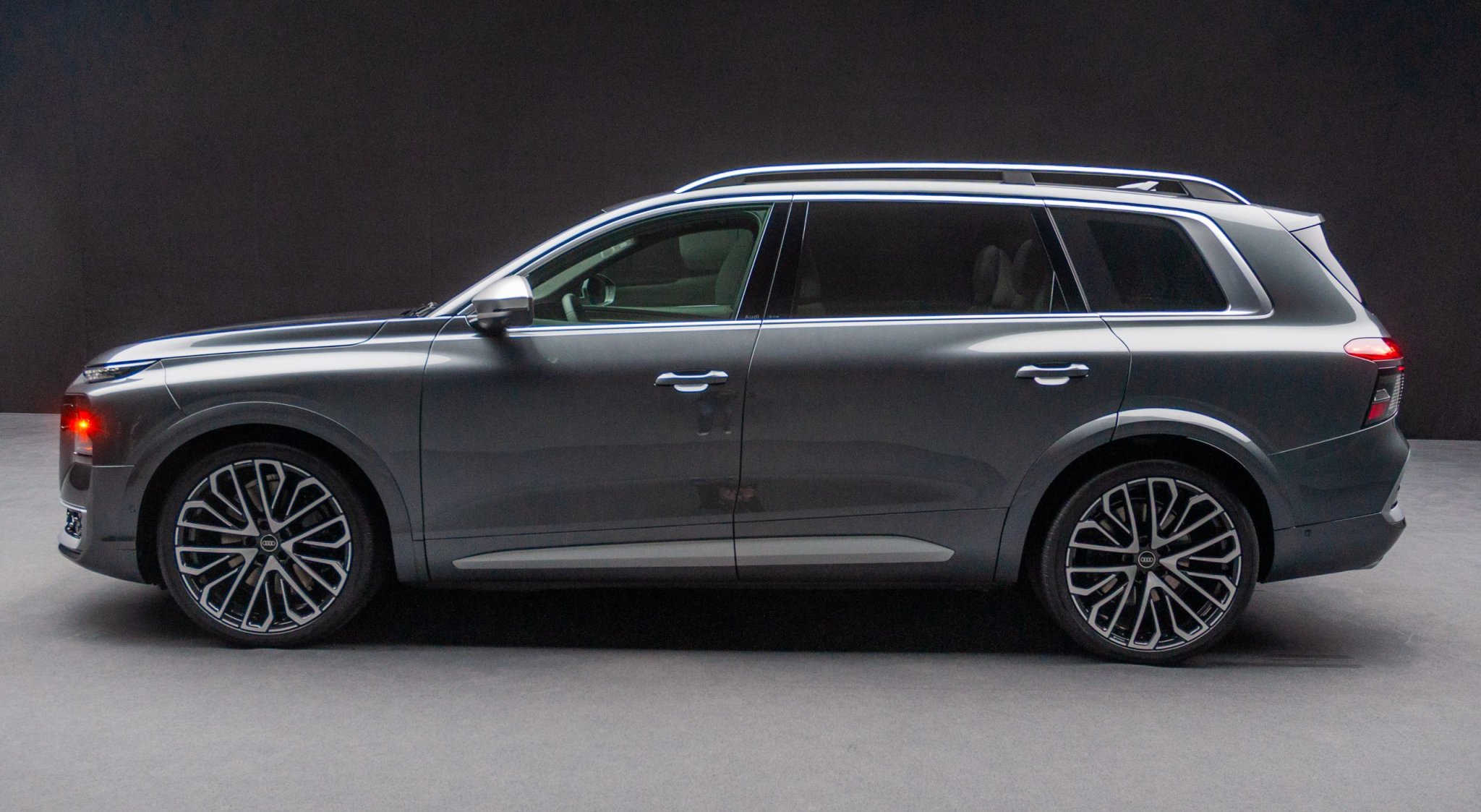
Audi's new Q9 flagship SUV nearly shipped with electronic door handles, but CEO Gernot Döllner killed the feature after a single test drive. The German automaker's leadership realized customers didn't want the added complexity.
Electronic door handles have become a contentious design trend across the luxury segment. Tesla popularized them, and other manufacturers followed. The problem: they fail in cold weather, require battery power, and frustrate owners when they malfunction. Drivers prefer mechanical reliability over gimmicks.
Döllner's decision reflects a broader industry reckoning. Luxury buyers pay premium prices for dependability, not experimental tech that complicates basic functions. A door handle that won't open in winter is a liability, not a feature.
Audi learned the lesson faster than most. The Q9 will use conventional mechanical handles, aligning with what customers actually want. This contrasts sharply with manufacturers still wedded to electronic gimmickry that solve no real problem.
The Q9 launches as Audi's answer to the BMW X7 and Mercedes-Benz GLS. It needs to deliver refinement and reliability to compete in the ultra-luxury segment. Ditching unnecessary electronic handles helps ensure it does exactly that. Döllner's pragmatism suggests Audi understands that flagship vehicles require substance over style experiments. The test drive that killed the handles was money well spent.