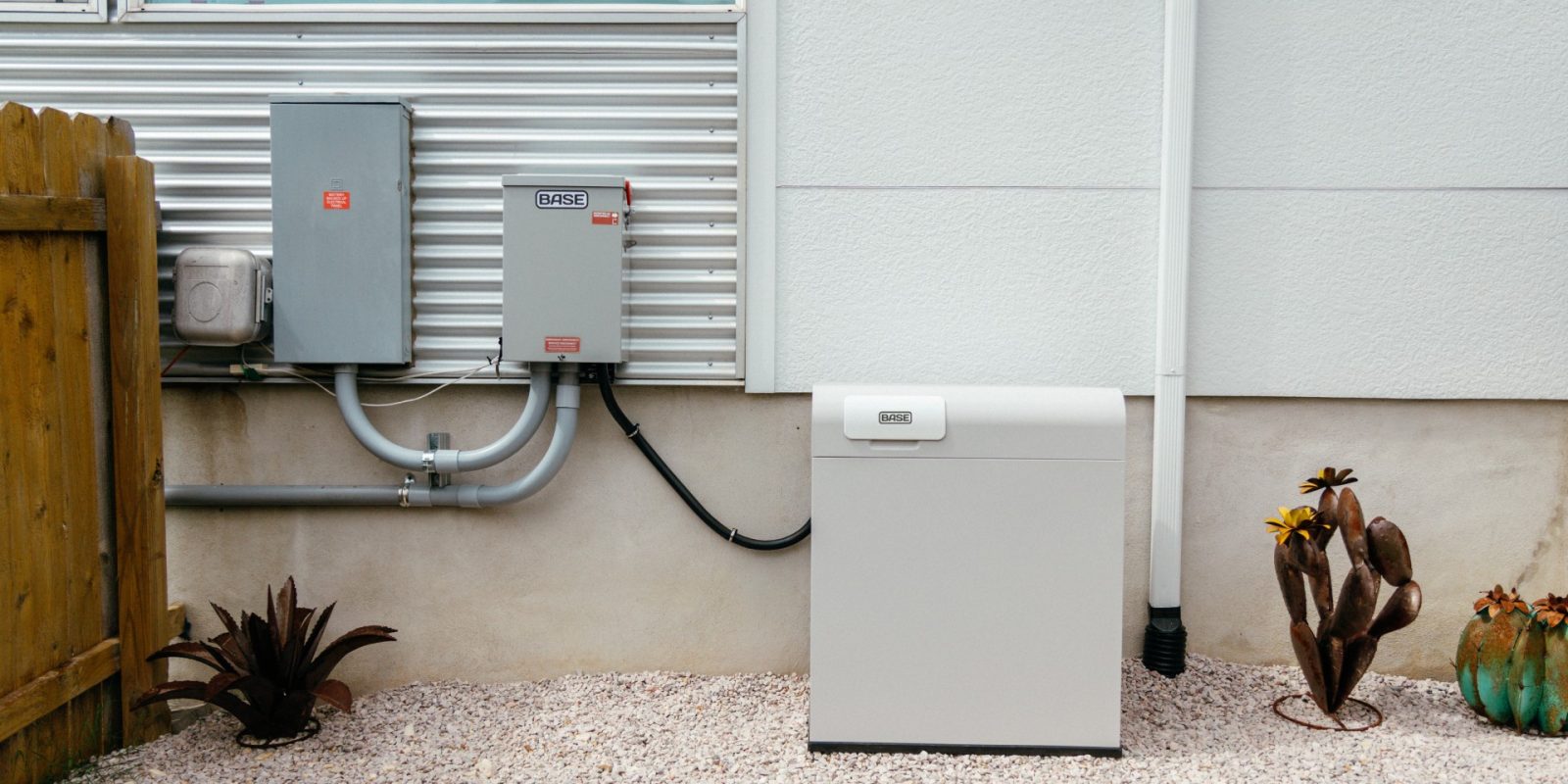
Base Power secured $1 billion in funding to commercialize Core, a 39.2-kWh home battery designed to deliver extended backup power and faster installation than current competitors. The system can sustain a typical household for up to 36 hours during outages and installs in under an hour, addressing two persistent pain points in the residential energy storage market.
The funding validates Base Power's bet that homeowners want substantially larger capacity than Tesla's Powerwall 3 (13.5 kWh) or LG's Chem RESU Prime (9.8 kWh). Core's near-40-kWh capacity positions it between consumer-grade home batteries and commercial-scale systems, targeting affluent customers in grid-unstable regions and those with solar installations seeking maximum self-consumption and independence.
Installation speed matters in residential markets. Conventional battery setups require extensive electrical work and permitting delays. Base Power's claim of sub-one-hour installation suggests simplified interconnection, pre-wired components, or streamlined electrical architecture. This could accelerate customer acquisition and reduce soft costs that typically inflate battery pricing.
The battery space remains fragmented. Tesla dominates premium home storage, but LG, Generac, and Enphase hold significant share. Newer entrants like Sunnova and Sunrun bundle batteries with solar and financing. Base Power enters as a pure hardware play with substantial capital, suggesting aggressive expansion plans and intent to undercut incumbent pricing or capture customers frustrated with installation timelines.
Timing favors battery growth. Grid instability from extreme weather, interest in solar synergy, and rising electricity rates push residential demand upward. California's net metering changes particularly benefit battery owners who maximize solar utilization during peak hours. Base Power targets this demographic directly.
The $1 billion raise signals investor confidence but also indicates high execution risk.