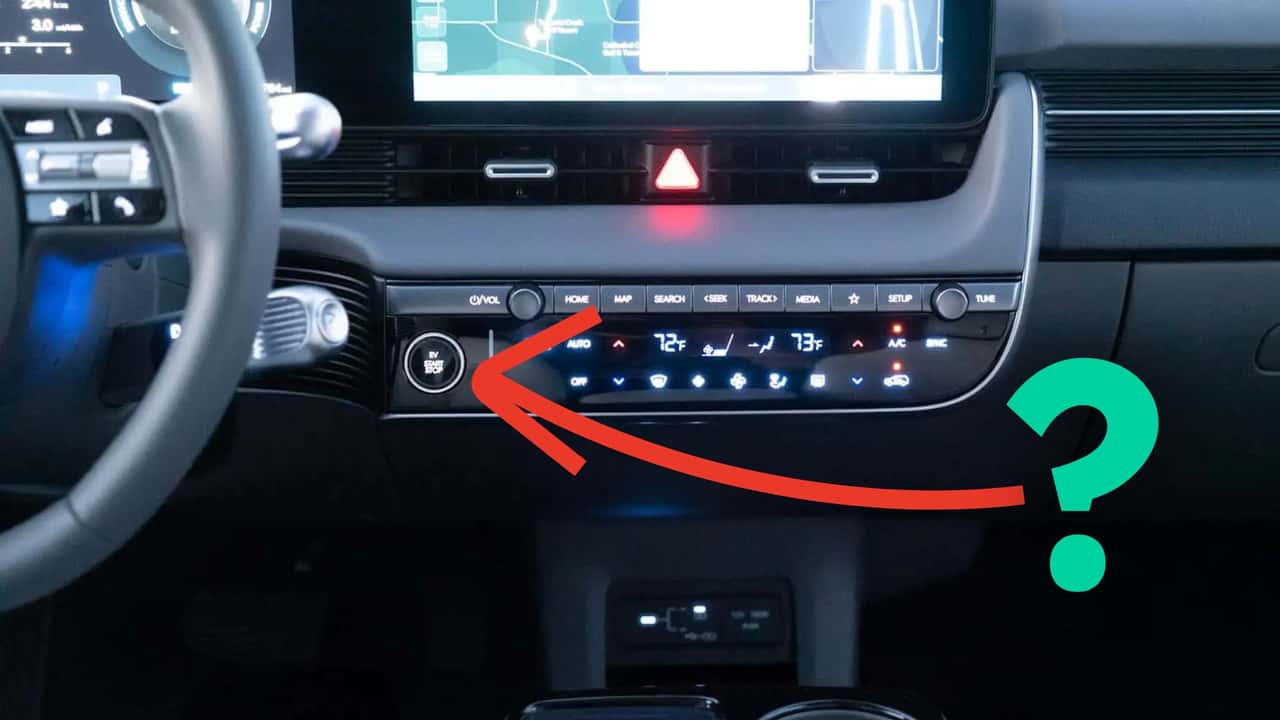
Most electric vehicles retain the start/stop button despite it being functionally unnecessary. EVs don't have engines to crank or warm up, yet manufacturers including Tesla, BMW, Chevrolet, and Volkswagen continue integrating power buttons into their designs.
The persistence stems from user habit and psychological comfort. Drivers spent decades pressing ignition buttons or turning keys to start combustion vehicles. Removing this familiar ritual entirely creates friction with buyers transitioning from gas cars. A power button provides a tactile checkpoint that signals the vehicle is "on," even though modern EVs are technically ready to drive the moment doors unlock.
Some manufacturers justify the feature through safety protocols. A power button forces drivers to make a conscious action before operating the vehicle, reducing accidental rollaway incidents. It also serves as a simple way to fully power down the car's systems without relying on screens or menus.
Tesla takes a different approach. Most Tesla models lack a traditional start button entirely. Pressing the brake pedal automatically wakes the vehicle and prepares it for driving. This streamlined method works because Tesla owners anticipate this behavior from day one. Traditional automakers face resistance from buyers expecting conventional controls.
The automotive industry struggles with this balance constantly. Legacy manufacturers must appeal to car buyers migrating from gas vehicles while not alienating EV-native customers. Adding unnecessary features costs money, adds weight, and complicates interior design. Removing familiar controls risks confusing or frustrating buyers during the critical ownership transition period.
Economics ultimately drive retention. Market research shows traditional button placement reduces dealer complaints and customer support calls. Familiar controls sell cars, even if those controls serve no mechanical purpose. As EV adoption matures and consumers become accustomed to new interfaces, manufacturers will likely phase out redundant features. For now, the start button persists as a bridge between automotive eras.