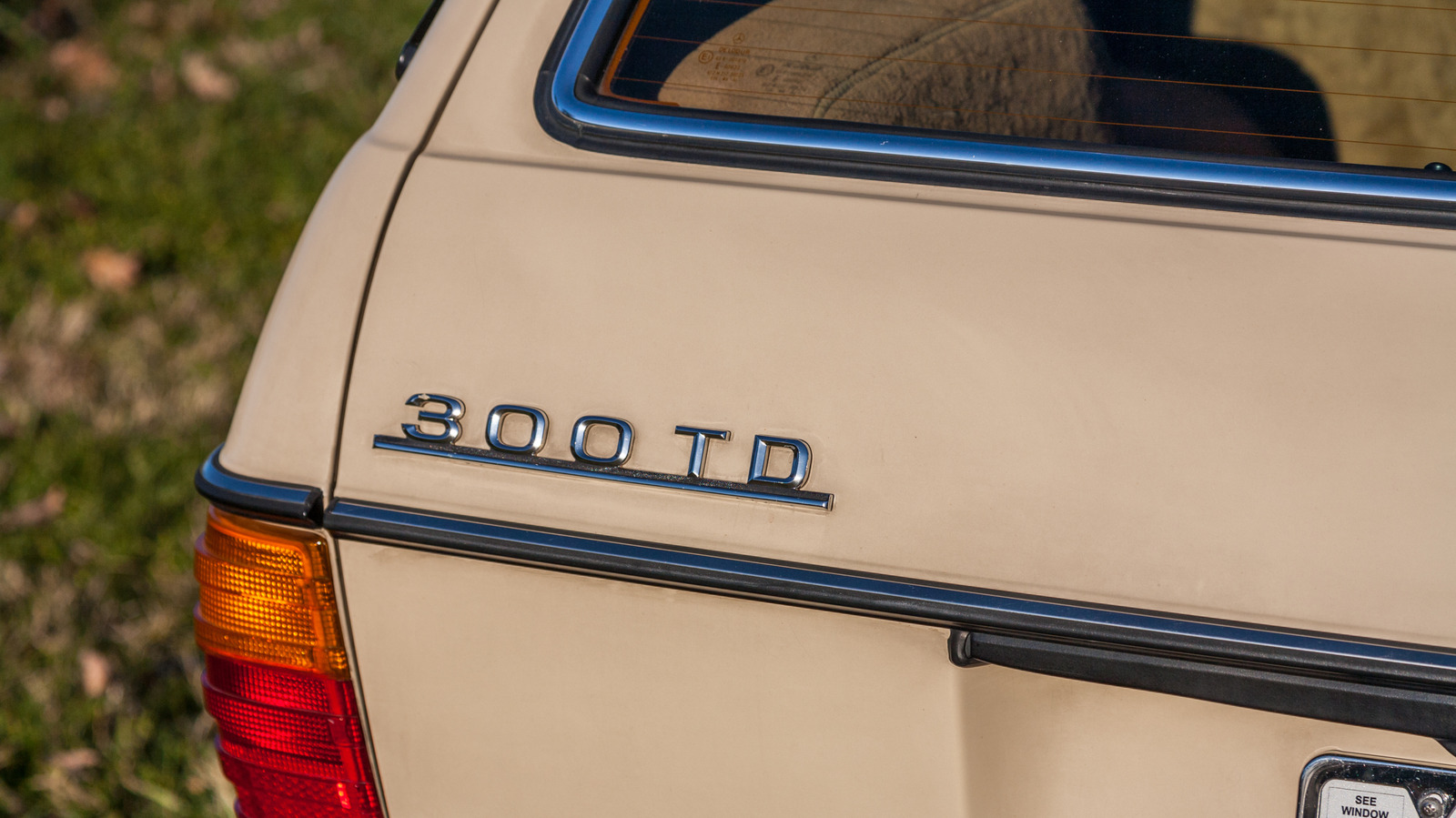
Mercedes' OM617 diesel engine stands as one of automotive history's most durable powerplants, and its engineering philosophy explains why. Built from 1974 to 1989, the engine powered everything from W123 sedans to unimog trucks, with many examples still running reliably today after 500,000-plus miles.
The OM617's bulletproof reputation stems from several deliberate design choices. Mercedes engineered the engine with massive overbuilt components. The cast-iron block and cylinder head prioritize longevity over weight savings. The fuel injection system uses robust mechanical injectors rather than electronic controls, eliminating complex failure points. This simplicity meant operators could perform basic maintenance anywhere, anytime.
Thermal management was another priority. The engine runs cool by design, reducing stress on internal components and extending service intervals dramatically. Heavy-duty valve train components, forged steel crankshafts, and reinforced connecting rods handle sustained abuse that would destroy lesser engines. The OM617 doesn't chase horsepower; it chases endurance.
Maintenance accessibility defines the engine's real genius. Everything sits where technicians can reach it. Oil changes, filter swaps, and injector work require basic tools. This philosophy created a global cult following. Mechanics in remote regions still rebuild OM617 blocks decades later because parts remain available and procedures never change.
Mercedes built the OM617 before turbocharging became standard diesel practice. The naturally aspirated 3.0-liter produces 80 horsepower in base form, barely adequate by modern standards. But that conservative power output means piston speeds and combustion pressures stay low, eliminating the high-stress environment that kills modern diesels.
Today, enthusiasts swap OM617 engines into modern platforms specifically for reliability. Classic car owners with OM617-powered Mercedes often