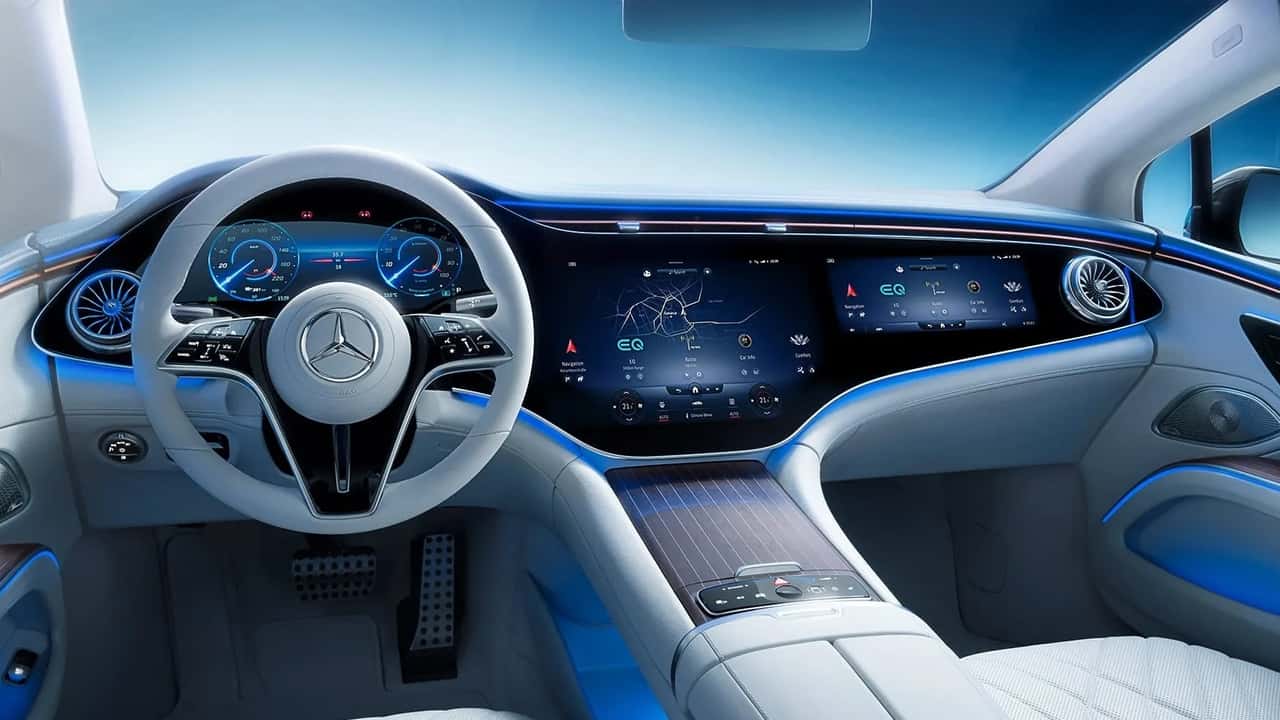
Mercedes-Benz leadership acknowledges a misstep in its recent push toward touchscreen-only interfaces. The automaker plans to reintroduce physical buttons and controls to its vehicles, reversing a trend that swept the industry over the past decade.
The shift reflects growing frustration among drivers and critics who argue that excessive digitalization creates safety hazards and complicates basic functions. Touch-only controls require drivers to look away from the road, divert attention from driving, and often demand multiple menu navigations to adjust climate, audio, or seat settings. Mercedes recognized this usability problem and committed to bringing back what it calls "the most sensible buttons."
This decision breaks from the minimalist design philosophy that dominated luxury and mainstream automakers. Tesla, BMW, Audi, and others aggressively eliminated physical controls in favor of centralized touchscreens. The logic seemed sound: reduce manufacturing complexity, create a modern aesthetic, and enable software updates to change functionality. Reality proved messier. Consumer reviews consistently ranked user interface frustration high. Regulatory bodies in Europe and North America grew concerned about distraction-related safety issues.
Mercedes' reversal carries weight in the industry. The brand shapes design trends across the market. Other manufacturers will likely follow suit, recognizing that buttons represent a practical solution, not a design failure. Climate controls, volume knobs, and window switches represent decades of ergonomic refinement that engineers abandoned prematurely.
The move also signals changing consumer priorities post-pandemic. Drivers increasingly value reliability, tactile feedback, and straightforward interfaces over technological novelty. They want to operate essential functions without fumbling through menus.
Mercedes did not announce which vehicles would receive the restored controls first, but expect the change to roll out across its lineup in coming model years. This represents a rare admission from a legacy automaker that sometimes, tradition beats innovation. The button is making a comeback.