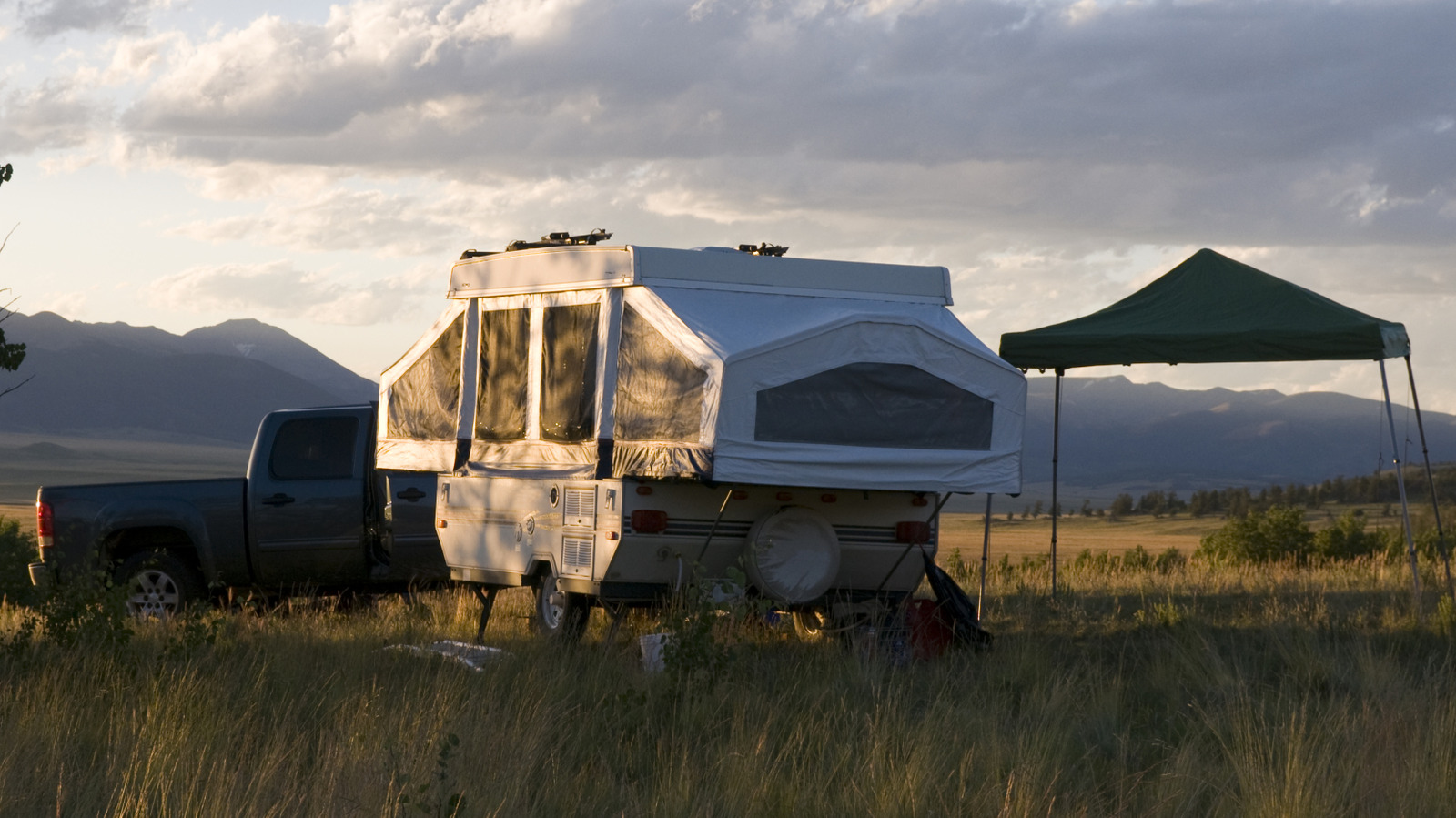
Pop-up campers occupy a middle ground in the camping vehicle market, bridging the gap between traditional tents and full-size RVs. They offer distinct trade-offs that appeal to budget-conscious buyers and weekend warriors alike.
The advantages are clear. Pop-up campers cost significantly less than traditional RVs or travel trailers, typically ranging from $5,000 to $15,000 for used models and $10,000 to $25,000 new. They tow behind standard vehicles without requiring a heavy-duty truck, which saves on fuel consumption and vehicle upgrades. Setup takes minutes rather than hours. Most importantly, they provide genuine shelter with beds, heating, and weather protection that tents cannot match.
Storage proves simpler too. A pop-up camper collapses to roughly the size of a roof-top cargo carrier, fitting in most driveways or garages. This accessibility makes them ideal for occasional campers who don't want permanent driveway clutter or ongoing storage fees.
The drawbacks matter, though. Interior space remains cramped compared to conventional trailers. Popup campers typically sleep two to four people maximum in tight quarters. Canvas walls deteriorate faster than aluminum or fiberglass, requiring regular maintenance and eventual replacement. They offer minimal insulation, making winter camping uncomfortable unless you invest in expensive upgrades.
Towing still requires proper vehicle compatibility and valid trailer licenses in some states. Weather exposure remains a concern. Heavy rain tests canvas seams. High winds can damage the roof mechanism. Extended trips become uncomfortable due to limited headroom and storage for supplies.
The real competition comes from used travel trailers, which often cost the same as new pop-ups while offering superior durability and larger living spaces. Entry-level RVs have also dropped in price, narrowing the value proposition.
Pop-up campers work best for couples