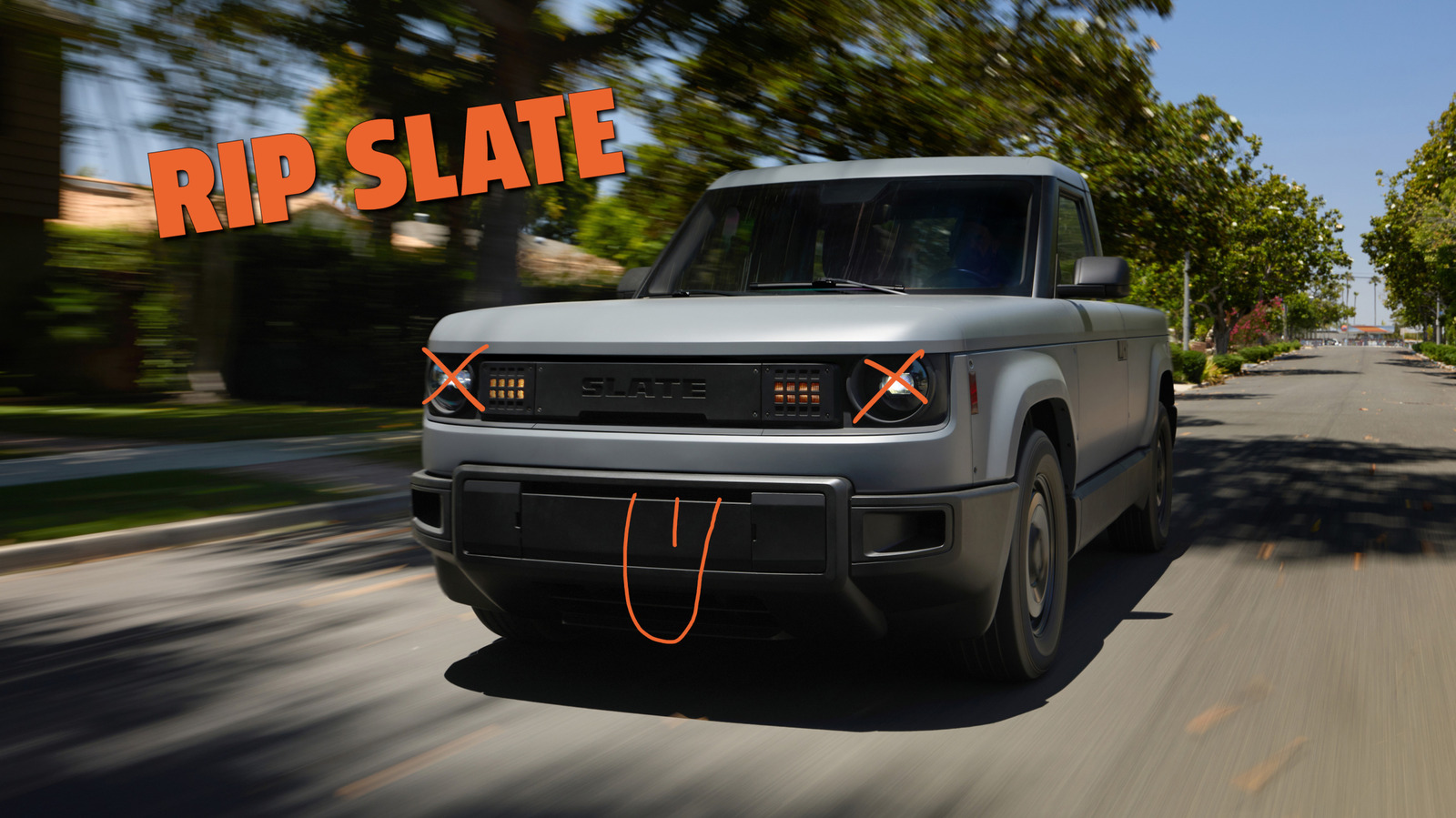
Ford's new Fathom compact SUV has outshone the Volkswagen ID.Buzz spinoff concept known as the Slate, at least in the eyes of this reviewer. The Fathom delivers practical five-seat seating with a usable back row, a feature the Slate sacrificed in its design philosophy.
The Slate, Volkswagen's retro-inspired electric concept based on the ID.Buzz platform, prioritized minimalist aesthetics and customization options like 3D-printable accessory files. That approach appeals to a specific design-forward audience willing to trade interior space for visual appeal. However, the lack of a functional rear seat significantly limits real-world utility.
Ford's Fathom takes the opposite tack. The compact electric SUV maintains modern design cues while preserving the back seat passengers need. For families and everyday drivers, that matters far more than the ability to 3D-print custom trim pieces.
This comparison highlights a fundamental tension in today's EV market. Manufacturers must choose between maximizing design differentiation and meeting practical transportation needs. Volkswagen gambled on the former with the Slate, creating a statement piece rather than a practical daily driver. Ford opted for the latter approach with the Fathom, targeting buyers who need seats to go along with their electric vehicle.
The Fathom's competitive position strengthens further when considering price and availability. As an actual production model rather than a concept vehicle, the Fathom offers buyers a real alternative to traditional gas SUVs and existing electric competitors. The Slate remains a design exercise unless Volkswagen commits to production, which seems unlikely given its limited functional appeal.
For the reviewer and likely many others, a rear seat beats boutique customization. The automotive industry's shift toward EVs doesn't require sacrificing practicality. The Fathom