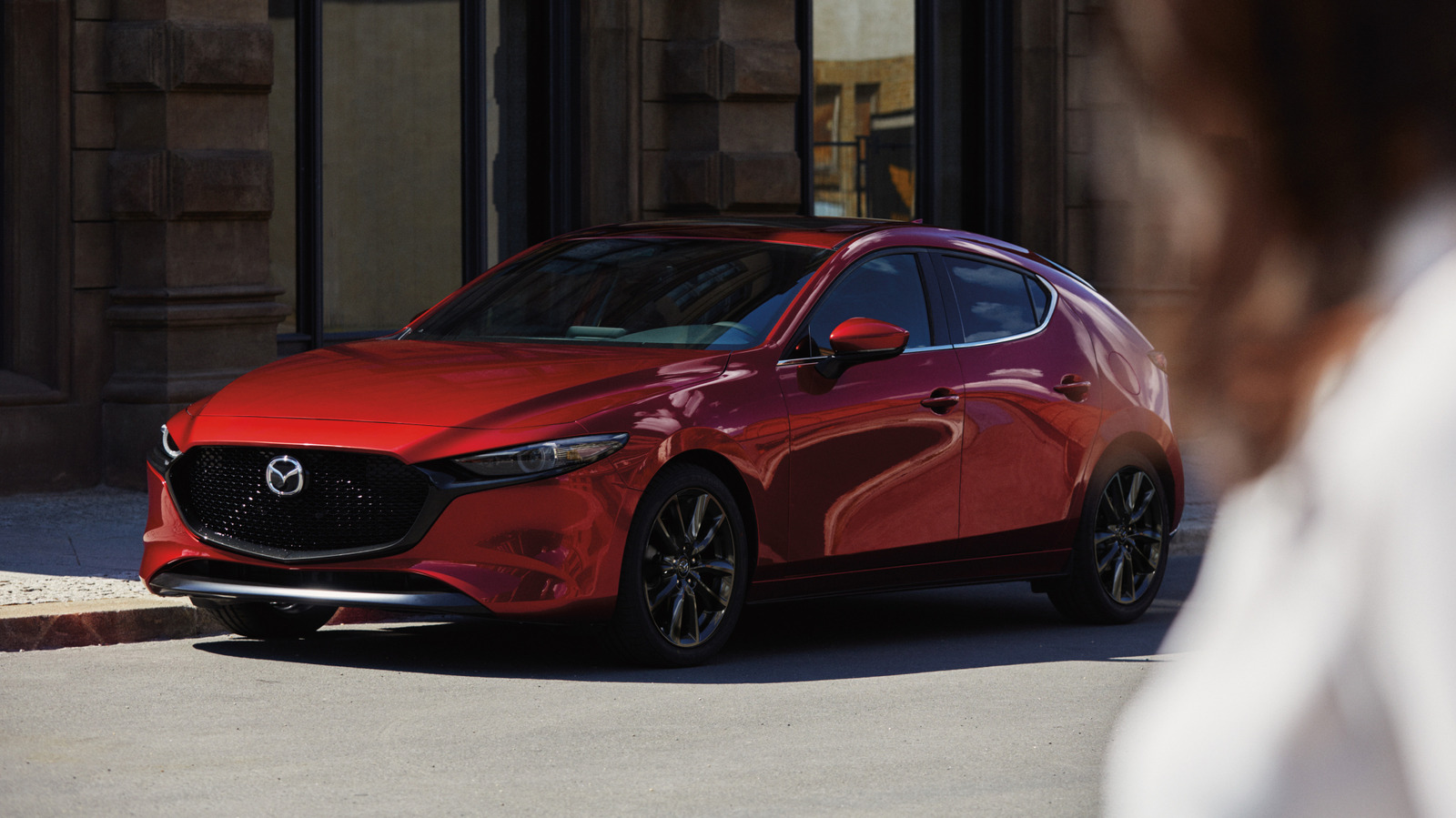
Mazda's compact 3 sedan and hatchback are experiencing a significant sales surge driven by consumer preference for fuel-efficient vehicles during a period of elevated gas prices. The sedan variant posted a 91.8% year-over-year increase, while the hatchback climbed 77.4%, both impressive gains for a platform that entered its current generation in 2019.
The Mazda 3 remains one of the segment's most efficient offerings. The base 2.0-liter four-cylinder engine delivers 28 city and 36 highway miles per gallon in sedan form, with the hatchback matching those EPA ratings. Buyers have gravitated toward these numbers as fuel costs remain stubbornly elevated compared to pre-pandemic levels.
This sales spike reflects broader industry trends. Compact cars have staged a comeback after years of decline as consumers pivot away from thirsty crossovers and midsize SUVs. The Mazda 3 competes directly with the Honda Civic, Toyota Corolla, and Hyundai Elantra, all vehicles engineered to deliver respectable fuel economy without sacrificing driving dynamics.
Mazda has positioned the 3 with more engaging handling than most competitors in its class, which gives it appeal beyond pure efficiency metrics. The sedan and hatchback both feature responsive steering, well-tuned suspensions, and interiors that don't feel cheaply assembled. The difference in pricing between sedan and hatchback is modest, yet the sedan's stronger sales growth suggests buyers still favor traditional body styles despite the hatchback's practical advantages.
The 8-year age of the current generation adds context to these numbers. Mazda redesigned the 3 in 2019 with modern styling and improved technology, making it competitive with newer entries from established rivals. A freshening or next-generation model