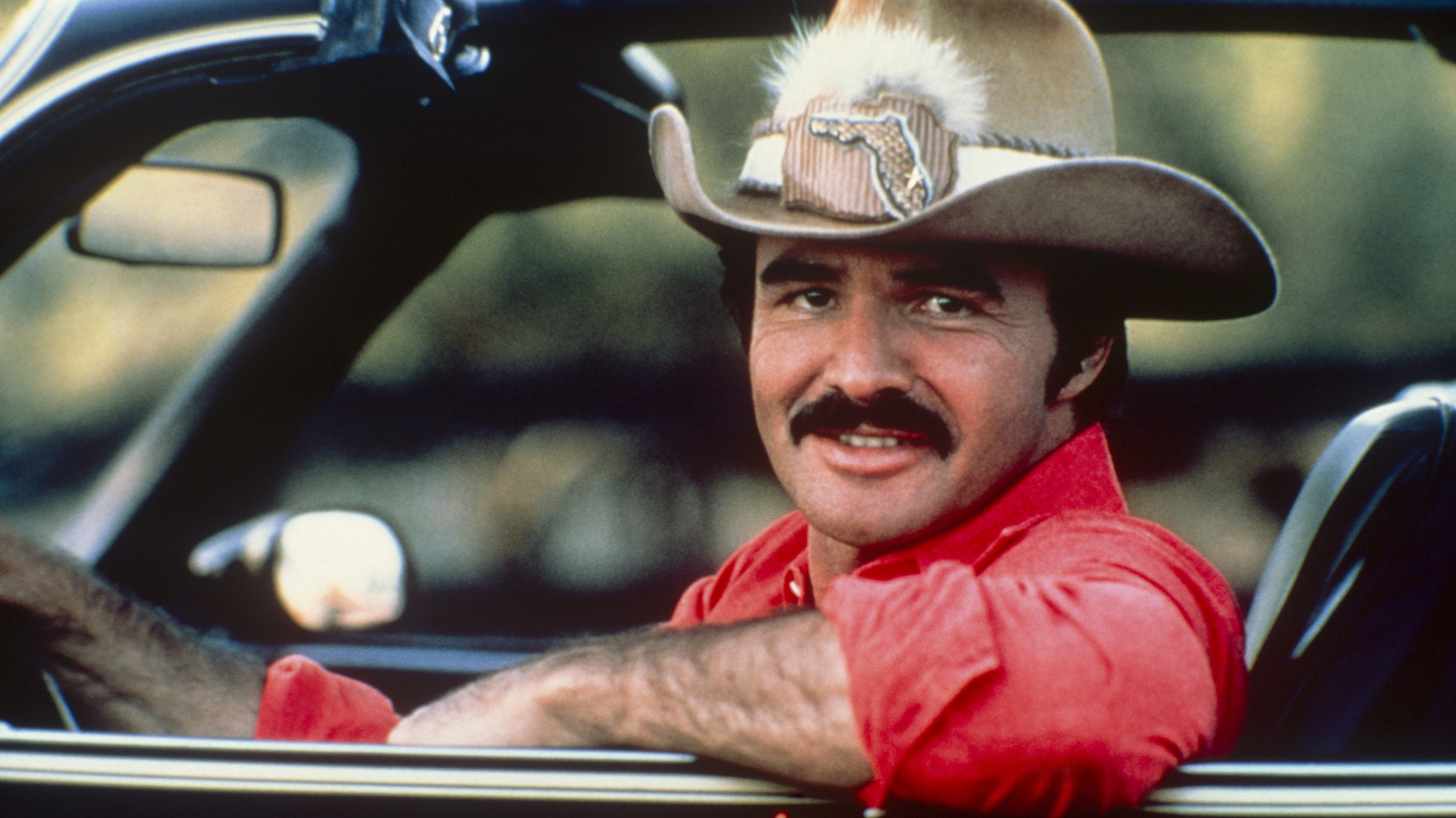
Burt Reynolds' starring role in "Smokey and the Bandit" became one of Hollywood's most effective automotive advertisements. The 1977 film's massive box office success translated into a genuine sales surge for Pontiac's Trans Am, making Reynolds the perfect pitchman. General Motors responded by supplying the actor with multiple free Trans Ams throughout the late 1970s and early 1980s.
The arrangement worked because Reynolds drove the cars publicly and maintained genuine enthusiasm for the vehicle. His Hollywood profile and the film's cultural impact created organic demand. Pontiac benefited enormously from the association. The Trans Am became synonymous with Reynolds' on-screen persona, and buyers wanted to own a piece of that image.
However, GM eventually ended the gravy train. The automaker eventually cut off the free vehicle supply to Reynolds, signaling a shift in how manufacturers approached celebrity endorsements and product placement. By the 1980s, automotive marketing grew more structured and formalized, moving away from informal arrangements based purely on a star's popularity and box office draw.
The Reynolds-Trans Am relationship remains a textbook case of unplanned product placement that exceeded any paid advertising campaign. The film generated buzz worth millions in traditional marketing spend. Yet GM's decision to eventually cease the arrangement highlights how corporate sponsorships evolved. Automakers increasingly demanded contractual agreements, measurable metrics, and defined terms rather than open-ended supply arrangements.
Reynolds' free Trans Am era represents a bygone moment in automotive marketing, before influencer deals came with spreadsheets and legal oversight. The arrangement was simple: deliver hits at the box office, drive the car with style, and GM keeps the vehicles coming. When corporate priorities shifted, Reynolds discovered that even Hollywood's biggest draws couldn't guarantee indefinite perks.