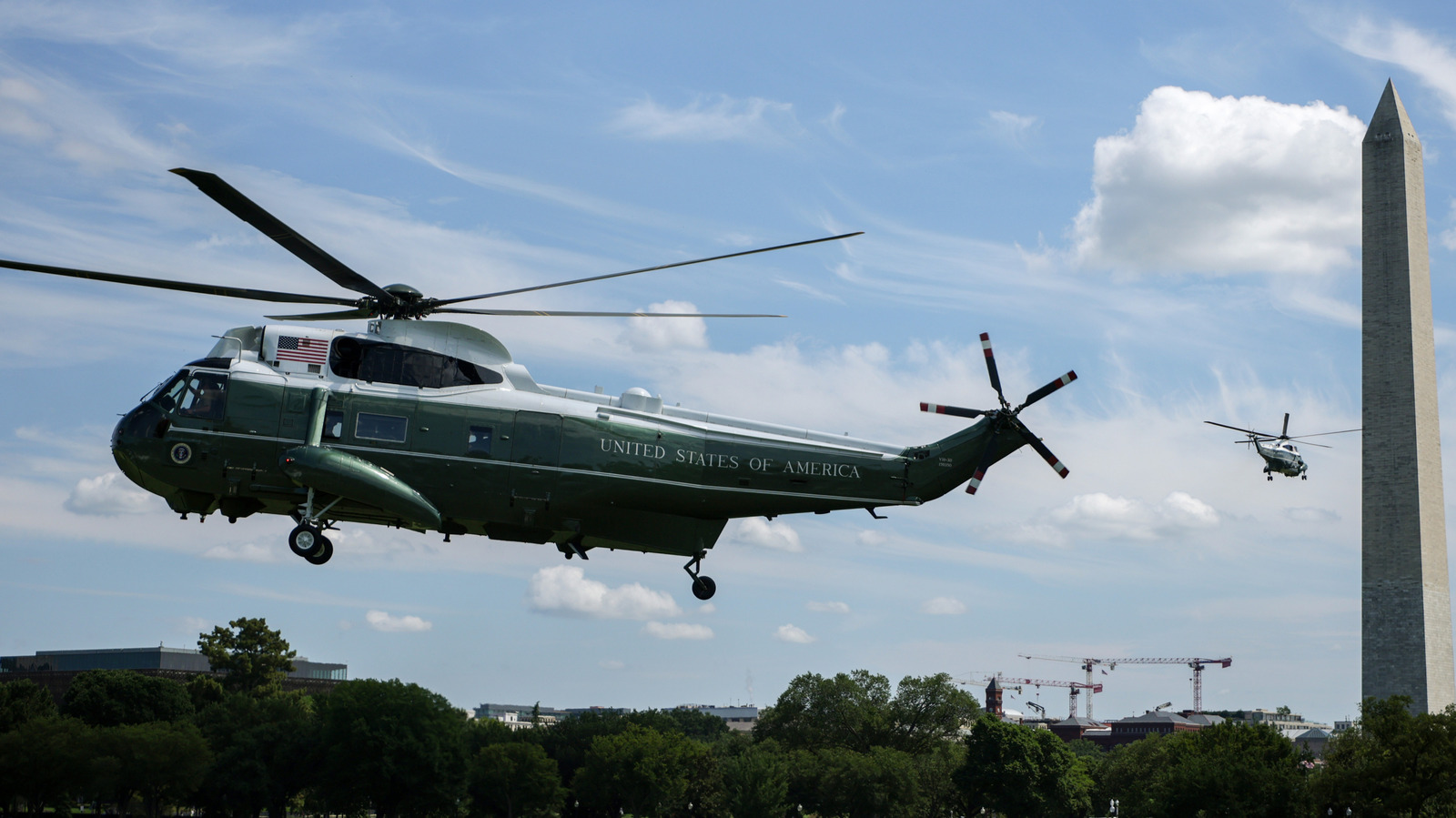
Marine One, the presidential helicopter, came dangerously close to a regional jet near Washington D.C. in what the Marine Corps dismissed as routine flight operations. The two aircraft passed within one mile of each other, a margin that triggered concern among aviation safety officials despite the Corps characterizing the encounter as standard procedure.
The incident involved Marine One and a commercial regional jet operating in controlled airspace near the nation's capital. While one mile separation might seem substantial, it falls below the safety margins typically preferred by the Federal Aviation Administration and pilots operating in busy terminal areas. The proximity raised questions about traffic coordination and awareness between military and civilian aircraft sharing the same airspace.
The Marine Corps' response that the near-miss represented routine operations struck many in the aviation community as dismissive of legitimate safety concerns. Military aircraft, particularly those carrying the President, operate under different rules and clearance procedures than commercial traffic. This can create blind spots where coordination breaks down, especially in congested airspace like that surrounding Washington D.C.
The incident reflects broader tensions in U.S. airspace management. As military and civilian aviation increasingly share the same corridors, incidents between different operator types occur more frequently. The D.C. area represents particularly complex airspace with military bases, civilian airports, helicopter routes, and restricted zones all overlapping.
Investigators suggested the two incidents may share a common root cause, hinting at potential systemic issues rather than isolated pilot error. This points toward problems with communication protocols, radar coverage, or flight plan filing procedures that could affect multiple operations in the region.
The case highlights why near-miss reporting systems and thorough investigation matter, even when military officials claim incidents are routine. Better coordination between Marine One flight operations and civilian air traffic control could prevent future encounters that put both aircraft and their occupants at risk.