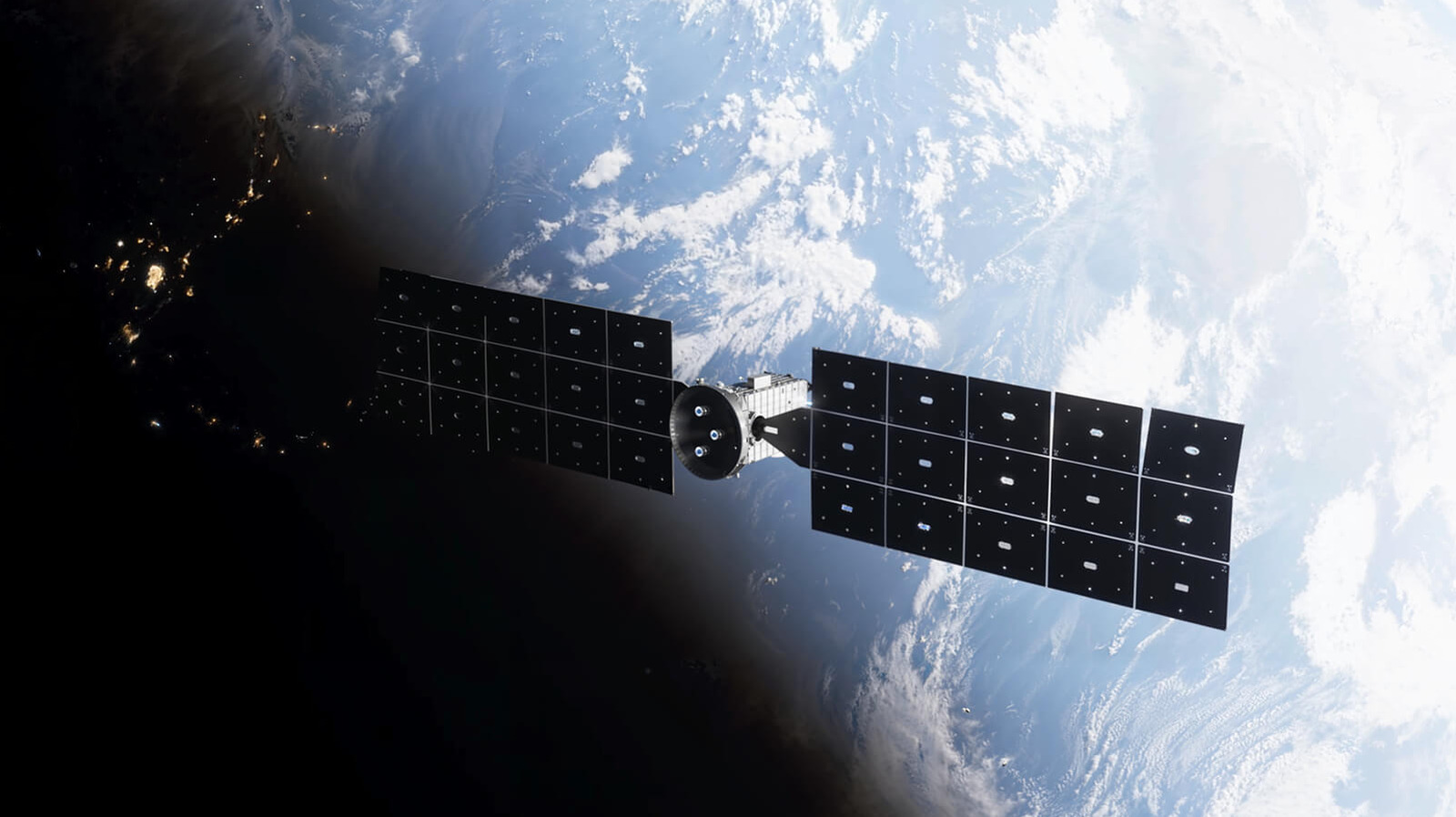
NASA faces a satellite rescue mission with unusual circumstances. The agency's Landsat 9 Earth observation satellite requires repair to continue functioning, but the resources needed for that repair depend on successfully launching and operating another satellite first.
This circular dependency reflects the complexities of space infrastructure. Landsat 9, which launched in 2021, provides critical Earth imagery for climate monitoring, agricultural assessment, and disaster response. The satellite has experienced technical issues that threaten its operational lifespan. Rather than develop an independent fix, NASA's solution hinges on deploying additional capabilities through another spacecraft.
The situation illustrates how modern space missions interlock. Satellite constellations and supporting infrastructure often depend on sequential launches and deployments. When one asset degrades, the entire network's effectiveness suffers. NASA must prioritize which missions launch first, knowing that earlier deployments enable later repairs or maintenance operations.
Budget constraints compound the problem. Developing redundant repair systems or independent solutions costs significantly more than leveraging existing mission architecture. Space agencies choose efficiency over redundancy, accepting the risk that delays cascade through their programs.
Landsat 9 represents decades of continuous Earth observation. The program, operated jointly by NASA and the U.S. Geological Survey, has provided unbroken environmental data since the 1970s. Losing this capability would create gaps in climate records and reduce the government's ability to monitor natural disasters, agricultural productivity, and land use changes.
This scenario reflects broader industry trends. Commercial space operators and government agencies increasingly accept technical risk to manage costs. SpaceX's reusable rockets and in-space servicing concepts emerge partly because traditional satellite replacement cycles prove too expensive. Companies like Axiom Space and emerging debris removal startups like Astroscale address the need for orbital maintenance infrastructure.
NASA's solution may ultimately advance satellite servicing capabilities regardless of outcome. Demonstrating that one satellite can enable another