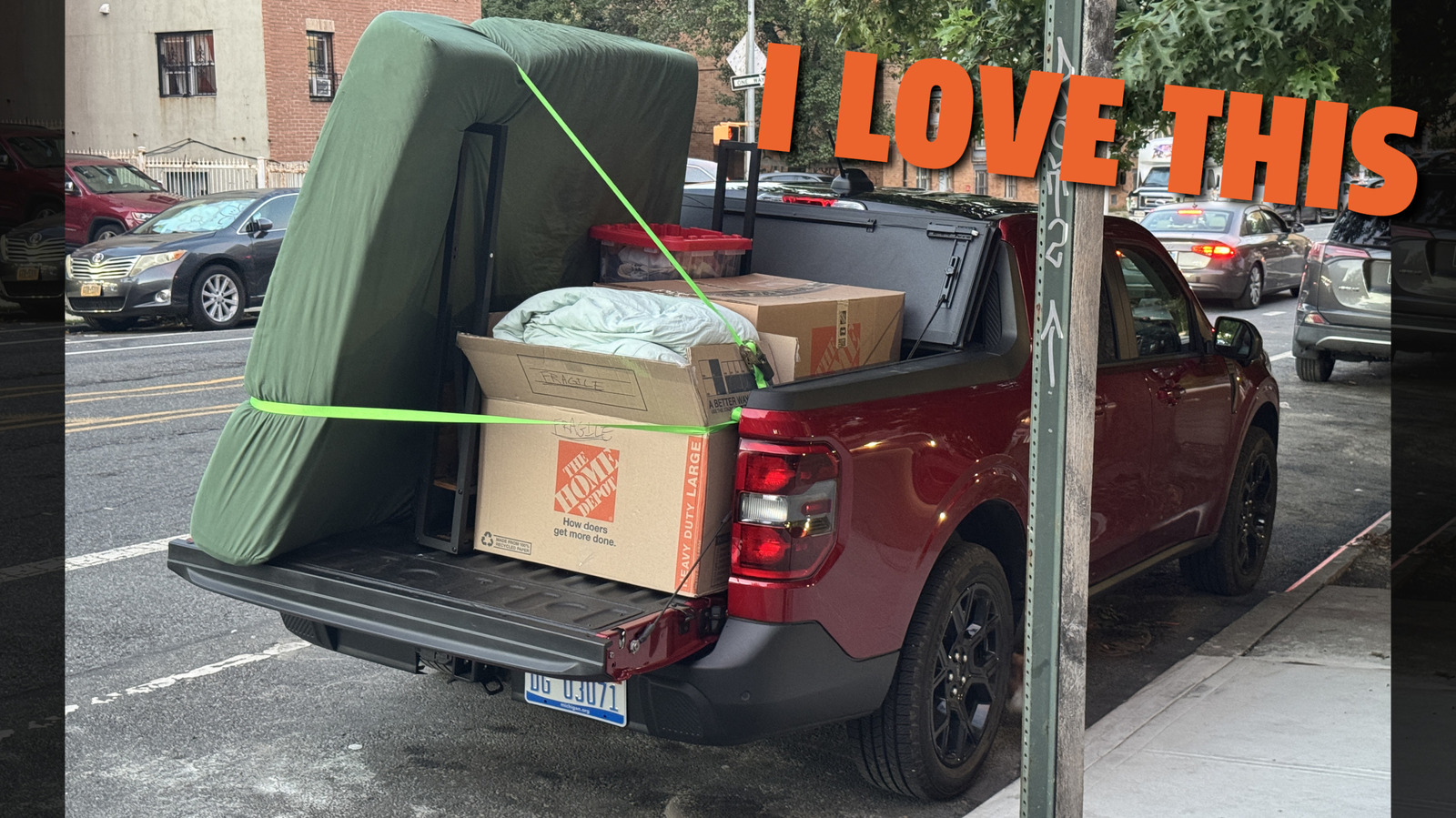
A Jalopnik contributor celebrates the practical appeal of owning a pickup truck, highlighting the social and functional benefits that come with driving one of America's most versatile vehicles.
The writer embraces the reality that pickup truck ownership transforms you into the go-to person for helping friends move, haul construction materials, transport furniture, or handle any job requiring cargo space and towing capacity. This unpaid labor—moving someone's apartment, hauling landscaping debris, or transporting a used couch—becomes routine. The truck bed becomes an extension of friendship logistics.
This sentiment taps into a core reason why pickup trucks dominate American vehicle sales. The Ford F-150, Chevrolet Silverado, Ram 1500, and Toyota Tundra remain bestsellers not just because of their utility in professional settings, but because they solve real problems in everyday life. A pickup truck is a portable solution to the friction points that arise when you own one and your friends don't.
The contributor questions why anyone wouldn't want this role, which reveals how truck ownership shapes identity and social utility. Truck owners become enablers, problem-solvers, and the reliable backbone of their social circles. That status comes with a cost—fuel expenses, wear and tear, insurance—but the payoff is tangible utility and social capital.
The modern pickup truck market has evolved significantly. Electric trucks like the Ford F-150 Lightning and GMC Sierra EV now offer this capability with lower fuel costs and reduced environmental impact. Yet traditional powertrains still dominate because they deliver towing capacity, payload ratings, and availability that EVs haven't fully matched at price points accessible to average buyers.
The reality is straightforward. Pickup trucks appeal to owners who derive genuine satisfaction from being useful. Whether you're hauling a trailer, moving someone's life, or simply having the capability to handle unexpected tasks, trucks solve problems that