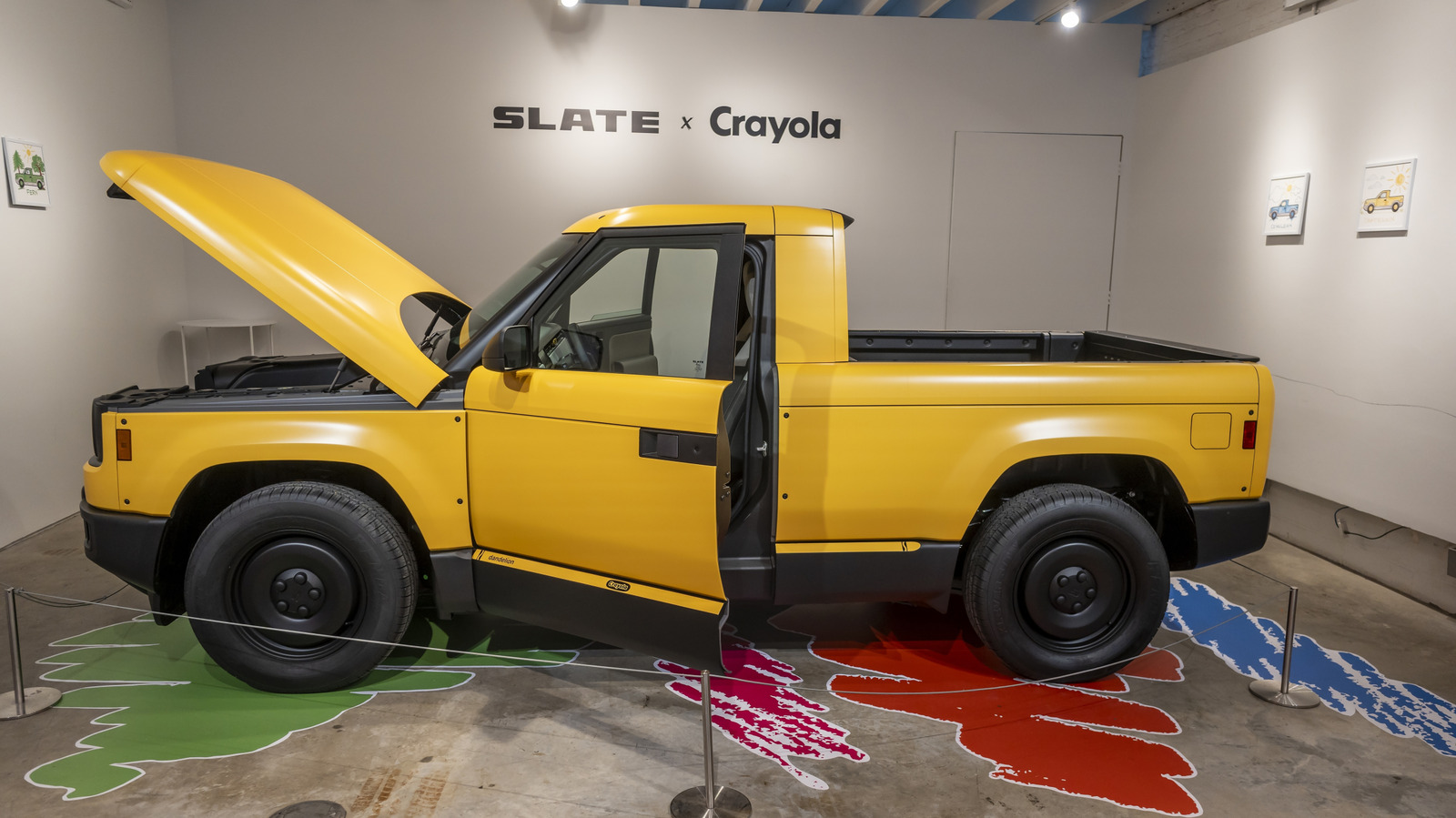
Slate, the startup electric truck maker, plans to bypass the traditional dealership model entirely. The company won't sell vehicles through franchised dealers, meaning owners won't have the conventional service infrastructure most truck buyers expect.
Instead, Slate is building a distributed service network that gives customers control over where and how their trucks get repaired. The automaker has outlined a support system designed to handle unexpected failures and maintenance without locking owners into dealership visits. This approach aligns with Slate's broader philosophy of owner autonomy over repairs and customization.
The strategy reflects a growing trend in the EV sector, where startups challenge legacy dealer networks. Tesla pioneered this model with company-owned service centers and mobile techs. Rivian and other EV makers have experimented with independent service partnerships. Slate takes it further by emphasizing owner freedom in choosing repair locations.
For owners, this means they can potentially take their Slate truck to independent shops, local mechanics, or authorized service partners rather than waiting for a dealership appointment. Slate claims this reduces costs and increases convenience. The automaker is likely banking on right-to-repair advocates and truck enthusiasts who resent dealer monopolies.
The risk is real, though. Owners buying expensive electric trucks need confidence their vehicles stay covered if batteries fail or complex systems malfunction. Slate must prove its network is robust enough to handle warranty work across regions. Traditional dealers, despite their flaws, offer standardized training and access to manufacturer parts. A fragmented service ecosystem could frustrate buyers in rural areas or regions with sparse independent shops.
Slate hasn't disclosed all details about parts availability, warranty coverage, or exactly which partners constitute its service network. Those specifics matter enormously. Without them, potential customers may hesitate to buy a truck from an unknown brand lacking the support backbone they're accustomed to.
This gambit could differentiate Slate in a