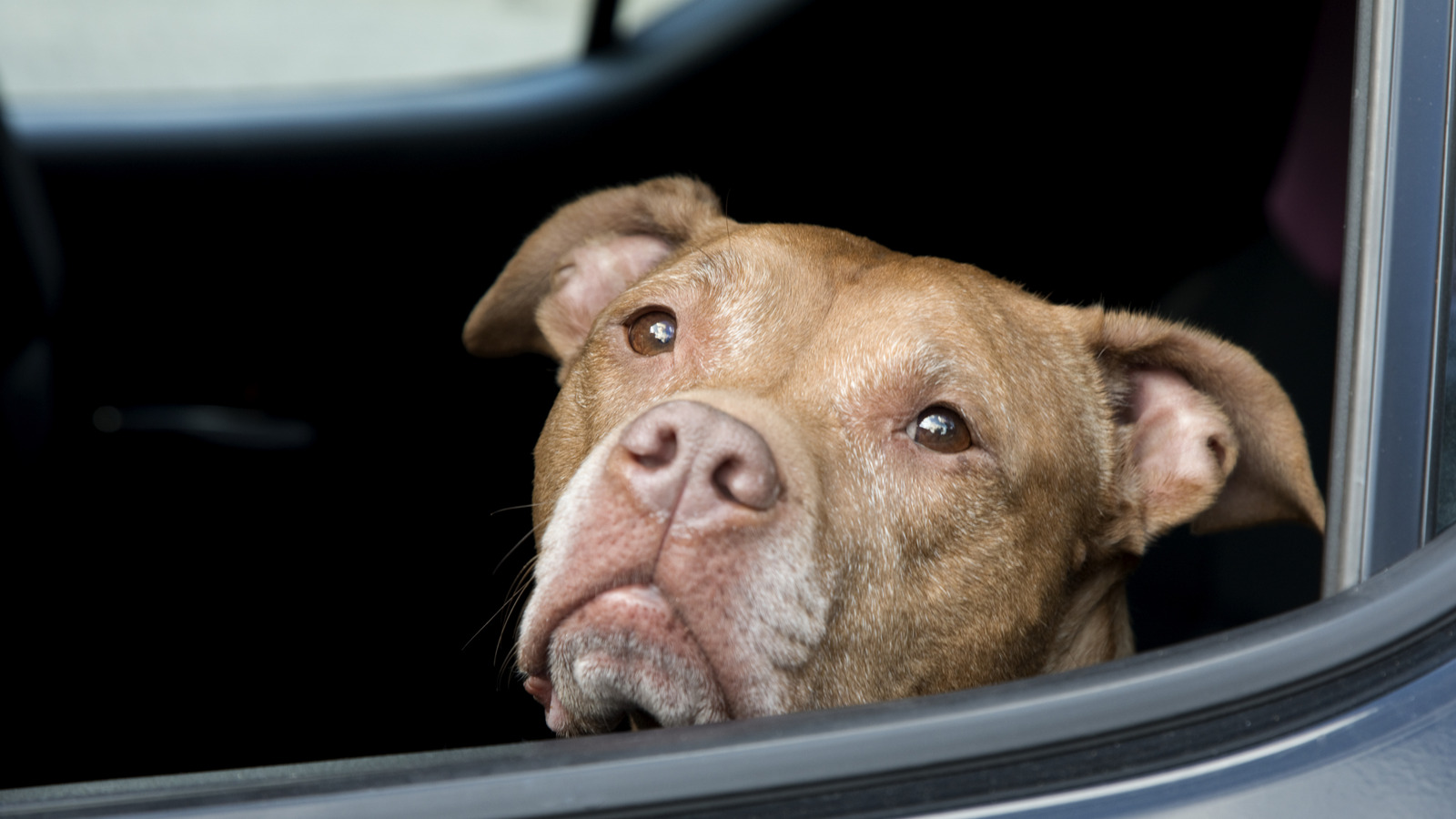
# States Crack Down on Hot Car Deaths
Twenty-nine states now have laws prohibiting drivers from leaving pets unattended in vehicles. The restrictions address a genuine public health threat: temperatures inside parked cars can spike 20 degrees Fahrenheit above outside air within just 10 minutes, reaching lethal levels for animals in under an hour.
State legislation varies widely. Some statutes allow bystanders to break car windows to rescue trapped animals without legal liability. Others permit police and animal control officers to intervene. A handful of states protect rescuers from civil lawsuits, addressing a critical gap that previously deterred good Samaritans from acting.
The laws reflect growing recognition of animal welfare issues tied to vehicle design. Modern cars seal tightly for climate control efficiency, trapping heat rapidly when engines shut down. Air conditioning systems cannot operate without running engines, and many manufacturers disable idle-running to cut fuel consumption and emissions.
Penalties range from modest fines to misdemeanor charges. Some jurisdictions impose escalating penalties for repeat offenders. A few states mandate owner education programs alongside fines.
This trend mirrors broader animal protection efforts. Humane societies and veterinary organizations have pushed legislative action after documenting thousands of preventable pet deaths annually. The CDC has linked hot car incidents to broader public health conversations around vehicle design safety standards.
Drivers should understand local statutes before traveling with pets. Even in states without explicit bans, animal cruelty laws apply. Law enforcement and rescue responders prioritize animal welfare calls, particularly during summer months when temperatures spike fastest. Pet owners traveling across state lines face unpredictable legal exposure if they leave animals in vehicles for any duration.