Toyota built its global reputation on reliability and practicality, but the Japanese automaker has repeatedly proven it can build legitimate sports cars. From the lightweight 2000GT to the modern GR Supra, Toyota's sports car lineage reveals a manufacturer willing to take risks on performance.
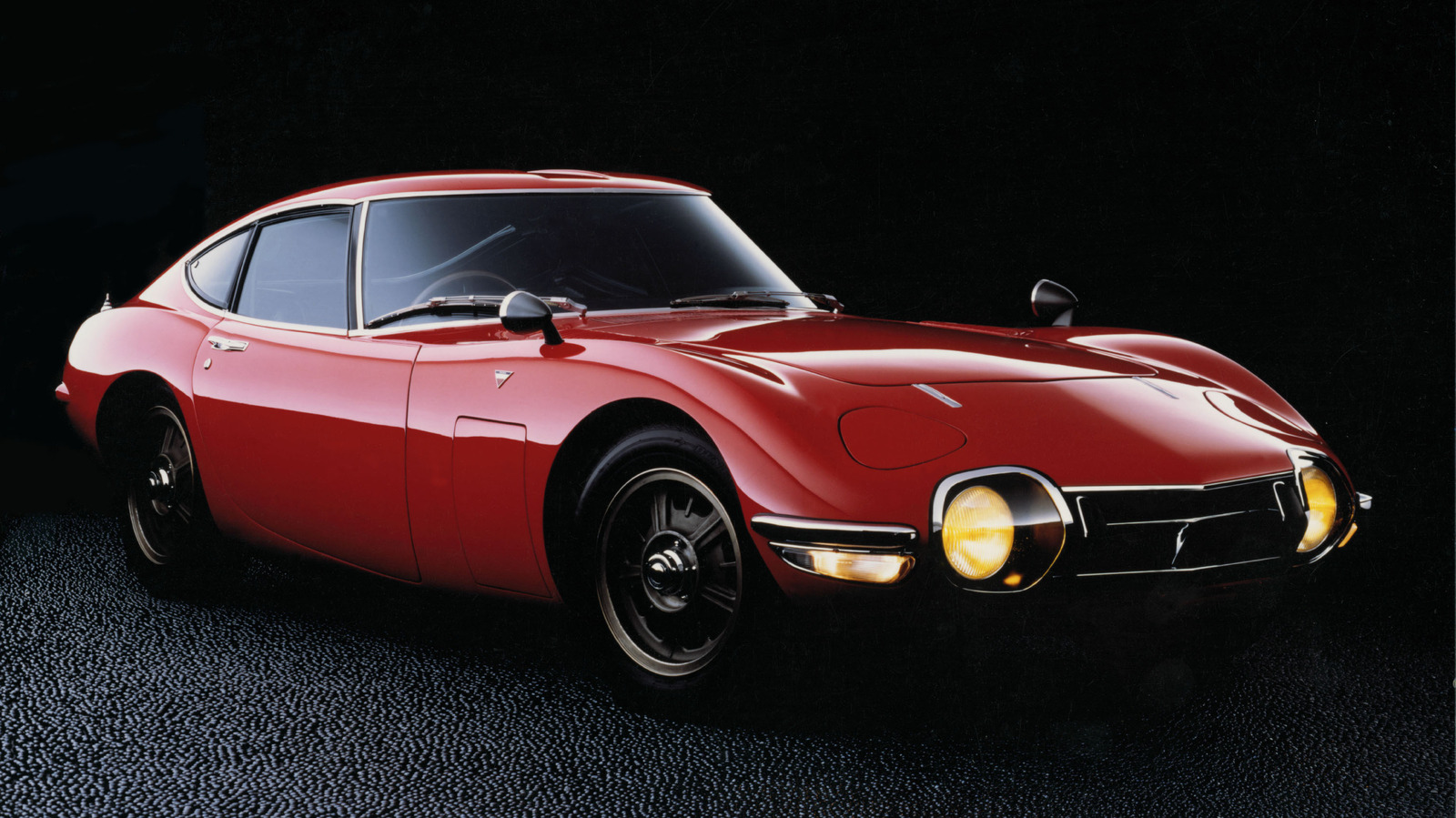
The 2000GT launched in 1967 as Toyota's first true sports car. This hand-assembled roadster featured a 2.0-liter twin-cam engine producing 150 horsepower and could hit 120 mph. Only 351 were built, making it a collectible rarity. The car established Toyota's engineering credibility in the performance space decades before the Supra became an icon.
The A60 Supra arrived in 1978, introducing a turbocharged inline-six that delivered genuine performance without the exotic price tag. Toyota refined the formula across multiple generations. The A80 fourth-generation Supra, launched in 1993, became the definitive model. Its 2JZ-GTE twin-turbo engine produced 320 horsepower in stock form and proved bulletproof reliable. The 2JZ became legendary in tuning circles, with street cars regularly exceeding 1000 horsepower. This Supra's combination of speed, tunability, and durability made it a cultural touchstone.
Between these flagship models, Toyota delivered the Celica, MR2, and GT86. The Celica competed in rally racing and offered affordable performance from 1971 to 2006. The MR2 brought mid-engine thrills to the masses. The GT86, developed with Subaru, captured the spirit of affordable, driver-focused motoring.
Toyota resurrected the Supra name in 2019 with a turbocharged 3.0-liter inline-