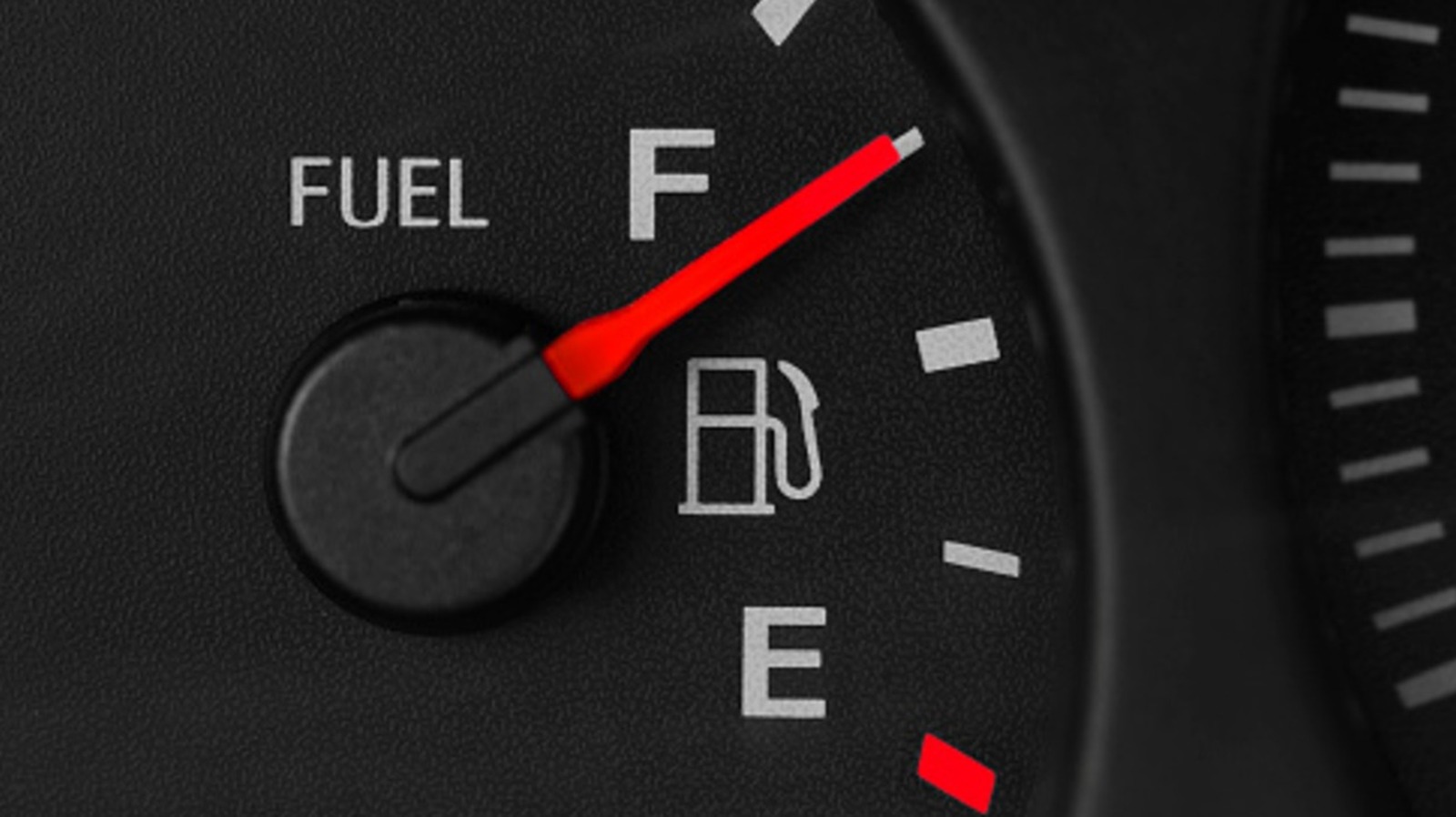
Temperature swings hit your fuel economy harder than most drivers realize. Cold weather kills efficiency first. When engines start in freezing conditions, they run rich, dumping extra fuel into the combustion chamber to achieve ignition and warmth. Transmission fluid thickens. Oil loses viscosity. The engine computer compensates by adding fuel, burning more gasoline per mile driven. Winter driving typically cuts fuel economy by 15 to 20 percent compared to moderate-temperature conditions.
Heat presents a different problem. Air becomes less dense in high temperatures, forcing engines to work harder to find enough oxygen for combustion. Your air conditioning system draws power directly from the engine, and that load reduces efficiency noticeably. Highway driving with AC running can drop fuel economy by 10 percent or more, depending on how aggressively the system runs.
The physics breaks down simply: engines operate most efficiently in a narrow temperature band, roughly 65 to 75 degrees Fahrenheit. Cold air requires richer fuel mixtures and longer warmup periods. Hot air demands more work from engine and cooling systems. Neither condition favors economy.
Cold weather edges ahead as the bigger culprit. The fuel enrichment that happens during cold starts persists longer and affects more of your daily drive, especially on short trips where engines never fully warm up. Highway driving in winter will see steeper economy losses than summer highway driving with AC on full blast.
Drivers chasing better fuel economy should warm up engines gently before aggressive driving, keep tire pressure at spec (it drops in cold), and use AC sparingly. Regular oil changes with proper winter-grade lubricants help cold-weather engines respond faster. In summer, parking in shade and venting cabin heat before running AC reduces workload on the cooling system.
Real-world fuel economy fluctuates with season, but understanding the mechanics lets drivers compensate for temperature's drag on their