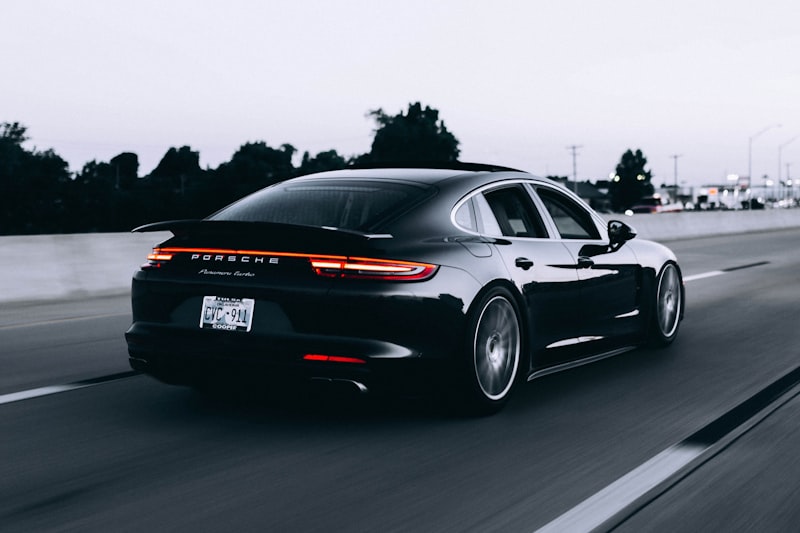
The unpopular take is that restraint, not speed, may be the smarter strategy here.
Every week brings another announcement about artificial intelligence capabilities in vehicles. AI that reads your manual. AI that diagnoses problems. AI that predicts maintenance needs. The industry is racing to cram as much machine learning as possible into our dashboards, and everyone seems thrilled about it.
Except we should probably pump the brakes.
Don't get me wrong. Smart diagnostic tools have real value. If an AI system can actually help owners understand what's happening under the hood or catch a problem before it becomes catastrophic, that's genuinely useful. But there's a difference between targeted, purposeful AI integration and the kind of feature-bloat escalation we're watching unfold across the industry right now.
The pressure to move fast and add capabilities is creating a different kind of problem. Manufacturers are racing to match competitors' announcements rather than asking whether each new AI feature actually serves drivers better. That's not innovation. That's panic dressed up as progress.
Consider the obvious risks nobody seems to want to discuss openly. Every new AI system running in a vehicle is another potential point of failure. It's another system that can bug out, hallucinate, misinterpret data, or simply confuse rather than clarify. We've seen this pattern before with other automotive tech. Touchscreen infotainment systems were supposed to make driving easier. Instead, they often made cars harder to operate safely. Lane-keeping assistance has saved lives and also created new categories of driver confusion and over-reliance.
AI in cars will probably follow the same trajectory. Some features will pan out. Many won't. But by then, they'll already be baked into millions of vehicles.
There's also a hidden cost to this arms race that nobody's quantifying. As vehicles become dependent on cloud connectivity for their AI features to function, owners lose autonomy. Your car becomes tethered to a manufacturer's servers, their update cycles, their business decisions about support timelines. What happens when the company decides to sunset a service? What happens when a manufacturer goes under, like so many automotive startups eventually do?
This matters especially for the durability angle. Cars used to be fixable by owners and independent mechanics. The more intelligence we layer onto vehicles through proprietary systems, the more we concentrate repair knowledge and authority with manufacturers. They control the diagnostics. They control the data. That's not a neutral technological choice.
The speed obsession also creates security headaches that get addressed reactively rather than thoughtfully. Every new AI feature is another surface area for potential hacking or manipulation. Every rushed deployment is an opportunity for security researchers to find problems after the fact rather than before.
What would restraint actually look like? It would mean manufacturers spending more time asking hard questions: Does this feature genuinely improve the driver experience, or does it create a false sense of capability? Can it be implemented securely? Is it maintainable long-term? Does it preserve user control? Those aren't flashy questions. They don't generate press releases or investor enthusiasm.
But they matter more than whether your car can beat the next guy's car to market with the latest AI gimmick.
The best automotive technology usually wins through reliability and genuine utility, not through speed to market. The manufacturers that will win the next decade aren't going to be the ones who moved fastest on AI integration. They'll be the ones who moved thoughtfully and actually solved problems that owners cared about.
The rest are just adding weight to their balance sheets and confusion to their vehicles.