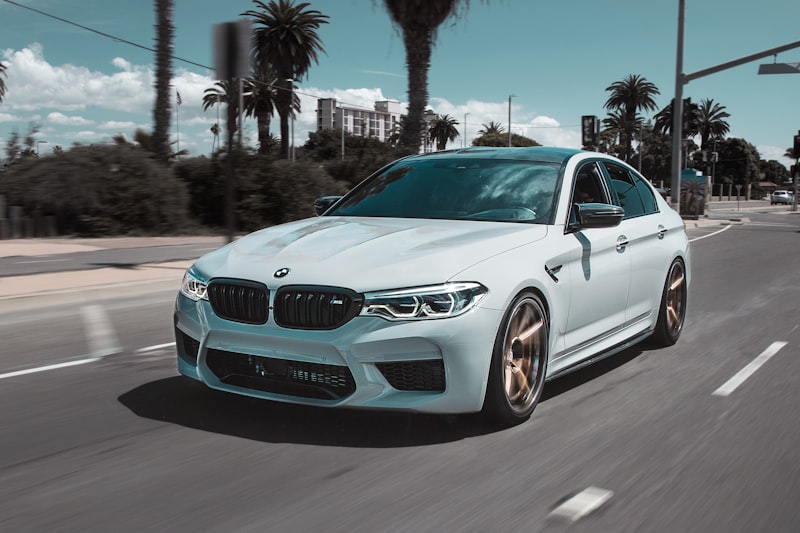
The electric vehicle industry is sprinting toward a cliff, and hardly anyone seems willing to pump the brakes. We're witnessing a fascinating paradox: the more urgent the climate crisis feels, the more recklessly we're approaching its technological solutions.
Consider the current landscape. Luxury automakers are racing to electrify everything from supercars to heavy equipment. Battery technology is advancing so rapidly that last year's innovations feel quaint by next quarter. Mining operations are scaling up to historic proportions. The message is clear: speed is virtue, hesitation is sin.
Here's the unpopular take: restraint, not speed, may be the smarter strategy here.
I'm not arguing against electrification. The transition away from fossil fuels in transportation is necessary and ultimately inevitable. But the framing of this transition as a sprint to be won rather than a marathon to be sustained is creating serious problems we're not adequately discussing.
First, there's the infrastructure question. We're building electric vehicles faster than we're building the charging networks and electrical grid capacity to support them. This isn't theoretical concern; it's already creating bottlenecks in major markets. A more measured approach to vehicle electrification gives us time to upgrade grid infrastructure, develop standardized charging solutions, and establish reliable supply chains. Instead, we're incentivizing a gold-rush mentality where first-movers claim market share while leaving the hard infrastructure work for later.
Second, the battery mining imperative deserves serious scrutiny. Yes, we need lithium, cobalt, and rare earth elements for electrification. But the rush to scale mining operations to unprecedented levels is creating environmental and labor challenges we haven't solved. Throwing more capital at bigger excavators doesn't solve the question of where these materials come from or what extraction costs in human and environmental terms. A slower transition gives us time to develop better battery chemistries, improve recycling infrastructure, and establish ethical sourcing standards.
Third, consider the consumer impact. The EV market is increasingly bifurcated between luxury offerings and mass-market vehicles, with surprisingly little in between. When limited battery capacity translates to limited range at reasonable prices, we're not actually democratizing transportation. We're creating another premium product category. A less frantic pace might allow manufacturers to focus on affordability and accessibility rather than chasing performance specs that serve vanity more than utility.
The luxury EV phenomenon reveals something telling. A McLaren P1 with triple the battery capacity, or a Ferrari commanding forty million dollars, or a construction company buying the biggest battery-powered excavator available—these aren't climate solutions. They're status symbols wrapped in green marketing. Yet the industry's pace favors these projects because they generate headlines and revenue quickly.
There's also the question of planned obsolescence. When battery technology is advancing at current rates, vehicles purchased today risk feeling outdated within five years. This creates e-waste problems we haven't begun to adequately address. A more measured approach to capacity improvements and feature additions might lead to more durable, longer-lasting vehicles.
I recognize the counterargument: climate change won't wait for perfect solutions, and delay itself has costs. That's fair. But there's a difference between purposeful momentum and panic-driven speed.
The smartest EV strategy would involve deliberate pacing: upgrading infrastructure ahead of demand, establishing ethical supply chains before scaling them, developing affordable options before chasing luxury market share, and building vehicles designed for longevity rather than quarterly obsolescence.
This isn't sexy. It doesn't generate venture capital or social media buzz. But it might actually work.
The EV transition is necessary. The question is whether we'll execute it wisely or simply replace one form of careless consumption with another.