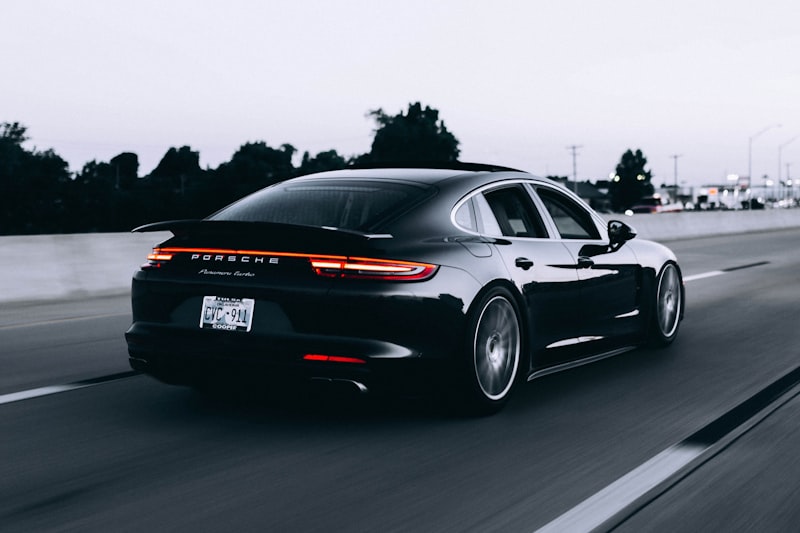
The automotive press is having a field day watching Genesis and other traditional luxury makers deploy increasingly elaborate cabin designs in their electric flagships. Coach doors. Heated wood. Neolun finishes. Meanwhile, Tesla's minimalist approach feels positively quaint by comparison.
But this surface-level observation about interior design trends obscures something far more important: we're watching the industry fundamentally reorganize around a question it still hasn't answered. Who actually gets to define what a premium electric vehicle means?
For twenty years, luxury automakers built their identity around mechanical complexity. Hand-stitched leather. Precision engineering. The promise that you were paying for craftsmanship that required specialized knowledge and rare materials. When EVs arrived, that entire value proposition became vulnerable. An electric motor is simpler than an internal combustion engine. The supply chain is still being written. Suddenly, a startup with a factory and software engineers could theoretically claim the same performance metrics as a brand that spent a century perfecting combustion.
Luxury automakers panicked. Some retreated into denial. Others pivoted toward what they actually do better: controlling the entire sensory and emotional experience of owning a car. If the powertrain can't differentiate you, the interior will.
This explains the sudden explosion of material experimentation. When your competitive advantage isn't mechanical anymore, you compete on the things customers experience in the cabin every single day. Ambient lighting. Surface finishes. The spatial arrangement of controls. The temperature of the wood trim when you touch it on a cold morning.
It's not a bad strategy. In fact, it's the right strategy.
But here's the structural shift nobody's discussing: this pivot only works if customers still believe that traditional luxury brands have earned the right to charge luxury prices in an electric world. And that belief is increasingly fragile.
The Genesis GV90 can have the most ingenious coach doors ever designed. But if a comparable EV from a Chinese competitor costs thirty percent less and offers ninety-five percent of the experience, the interior design excellence becomes an expensive luxury good rather than a justified premium. The market for expensive luxury goods exists, obviously. But it's smaller than the market luxury automakers have been serving.
This is why Ford's hedging on the Bronco with hybrid variants matters more than people realize. It's not because hybrids are the future. It's because Ford is explicitly acknowledging that the market doesn't yet have consensus on what an electric vehicle should cost or what it should feel like. The company is hedging every bet simultaneously, which is another way of saying it has no confidence in any single bet winning.
The real competition isn't happening between Genesis and Rolls-Royce in the cabin. It's happening in the background, between a model where electrification justifies premium pricing through material excellence and a model where it justifies lower pricing through simplification and efficiency.
One of these models will win. The other will become a niche market.
Traditional luxury automakers are betting they can engineer and design their way to victory by making their cabins so compelling that customers accept higher prices. That's credible, but it requires customers to prioritize sensory and emotional experience over total cost of ownership. That used to be a safe assumption. It isn't anymore.
The coach doors and heated wood are real. The competitive anxiety driving them is realer.